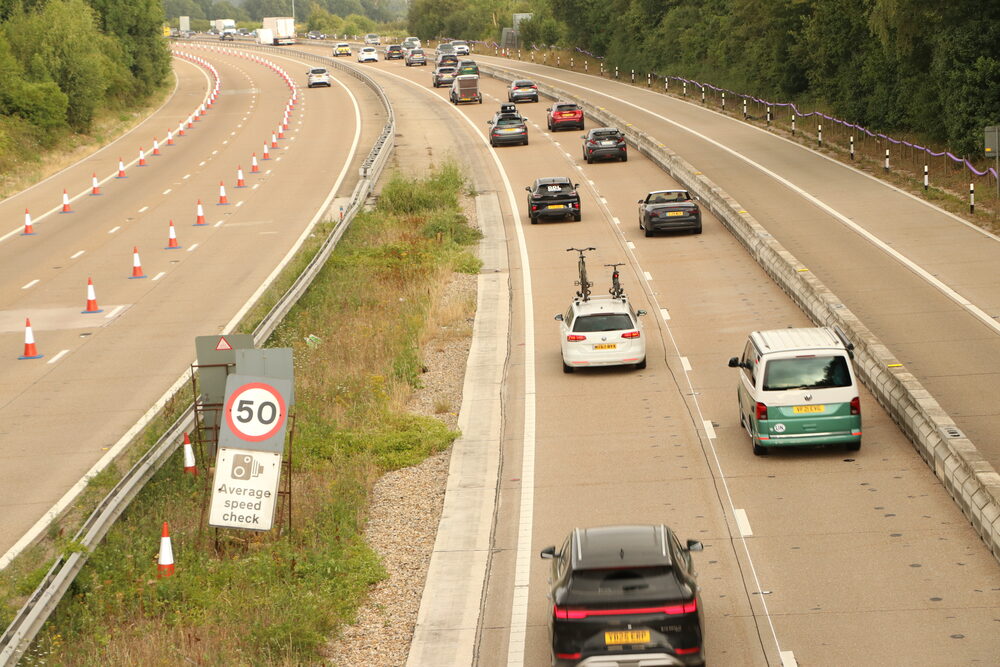

- National police guidance says speed enforcement normally begins at 10% plus 2mph over the limit — 79mph in a 70, 35mph in a 30.
- At the other end of the scale sits a number confirmed in police Freedom of Information responses: 96mph and above in a 70 is where guidance points to a Court summons rather than a ticket.
- But every one of these numbers is guidance, not law — and the discretion cuts in both directions.
Most Drivers have heard the folklore version: “they give you 10 per cent”. Far fewer know the folklore has an official source — and that the same document contains a much more consequential number at the top of the scale.
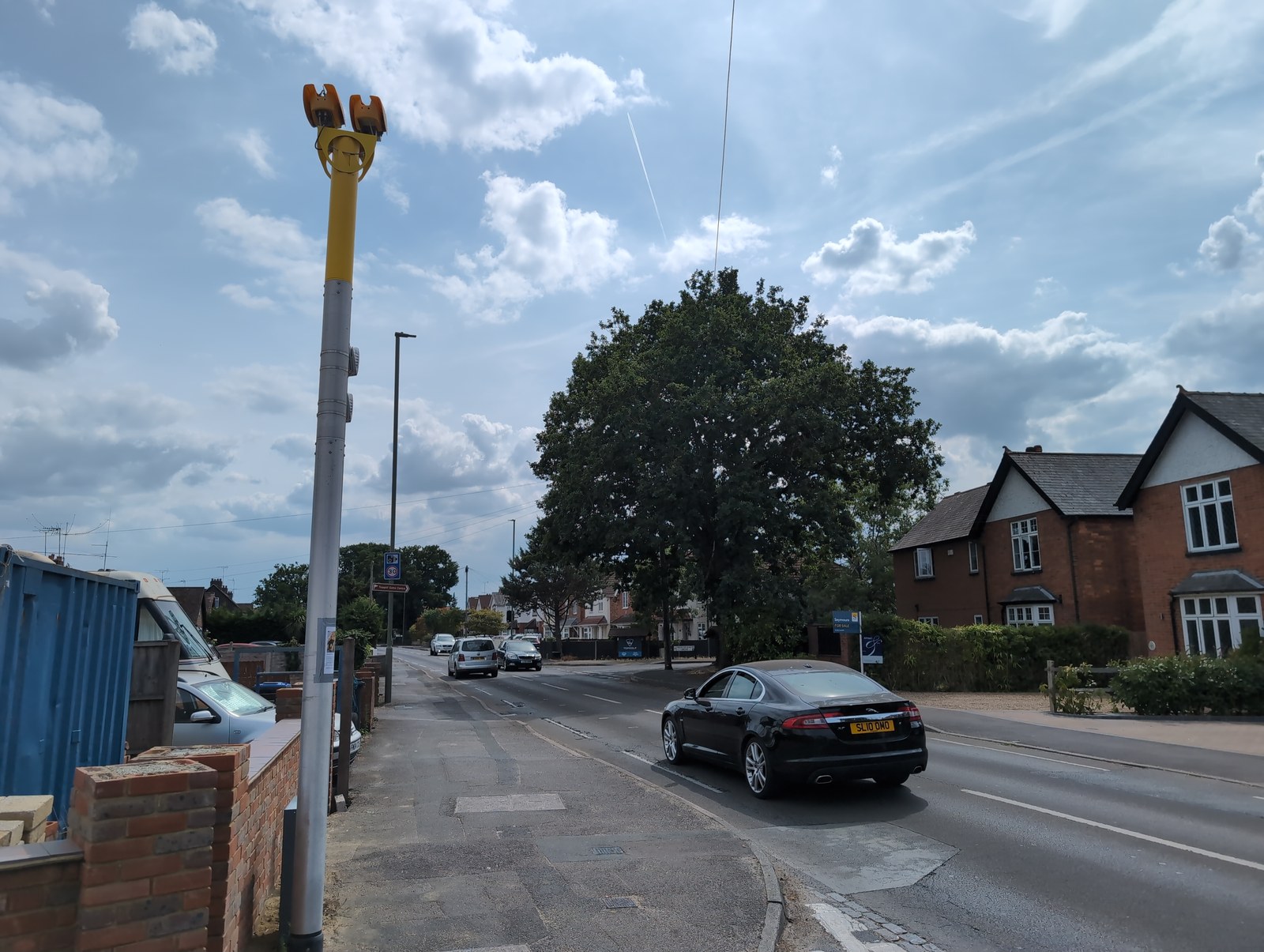
The National Police Chiefs’ Council publishes guidance to every force in England and Wales on how speeding offences should be dealt with. At the bottom of the scale, enforcement normally commences at the speed limit plus 10 per cent plus 2mph — so 35mph in a 30, and 79mph in a 70. Police forces including the Met and Warwickshire have confirmed in Freedom of Information responses that they follow it.
And at the top of the scale, in a 70mph limit, sits 96mph — the point at which, under the same guidance, a case stops being fixed-penalty territory and heads for the Magistrates’ Court instead. North Yorkshire Police confirmed that figure in a Freedom of Information response in January 2025, reflecting the current NPCC guidance.
Between those two numbers is where almost every speeding case in Britain actually lives.
The Three Bands Every Driver Should Know
Think of the guidance as three bands. Below the 10%-plus-2 floor, enforcement doesn’t normally begin at all — though as we’ll see, “normally” is doing real work in that sentence.
In the middle band, you’re looking at a fixed penalty or, if you’re eligible, a speed awareness course. This is where the overwhelming majority of Motorists end up: a record 1,853,250 Drivers took a speed awareness course in 2025 alone.
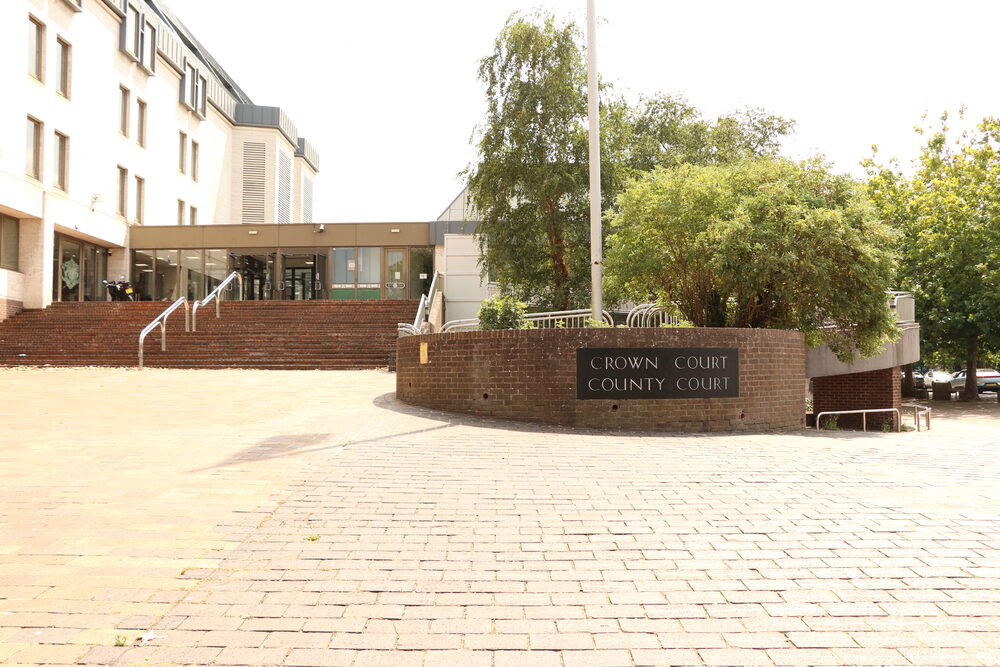
And in the top band — from 96mph in a 70, with equivalent thresholds for lower limits — the guidance points to a summons. That means Court, a Magistrates’ sentencing exercise rather than a flat penalty, and a genuine risk of disqualification depending on the speed and circumstances.
Which raises the obvious question: how solid are these numbers when it’s you at the roadside?
Guidance Is Not a Guarantee
Every force that confirms the thresholds says the same thing in the next breath: they are guidance, not law, and they do not replace an officer’s discretion. Driving at 71mph in a 70 is still an offence, and forces are explicit that enforcement below the thresholds can and does happen — near schools, in poor weather, or wherever an officer judges it appropriate.
The discretion works the other way too. An officer who stops you has a menu of options running from no action, through words of advice, to a ticket, to a summons — and the human interaction at the roadside genuinely influences which one you get.
Our advice on that has never changed: be courteous, stay calm, and never admit the offence. Politeness costs you nothing and antagonism buys you nothing, but an admission at the roadside can seriously hamper any defence you might later have — so keep the conversation civil and keep your account to yourself until you’ve had proper advice.
Don’t miss a story: join the free DriveProtect newsletter — straight-talking updates for British Motorists.
If You’re in the Top Band
A summons-level speed is the moment this stops being a paperwork exercise. In Court, the outcome turns on how the case is presented — the evidence, the procedure, and any Mitigating Circumstances — and the difference between a fine with points and a lengthy ban can come down to exactly that.
DriveProtect™ Members facing that envelope don’t face it alone: direct access to a specialist Speeding Solicitor who reviews the case and advises them exactly what to respond, for a fraction of the normal cost of legal help.
The war on the British Motorist, straight to your inbox
Join the free newsletter — straight-talking updates on speed cameras, enforcement, and your rights as a Driver.
Join the NewsletterGot a NIP or points on your licence right now? See how DriveProtect Membership works — a specialist Speeding Solicitor in your corner from £25/month.