
- Signing a NIP confirms one thing only: who was driving the vehicle at the time.
- It is not an admission that any offence took place — that’s a separate legal question entirely.
- And it’s on that second question that prosecutions quietly collapse.
Every week, somewhere in Britain, the same small tragedy plays out at a kitchen table.
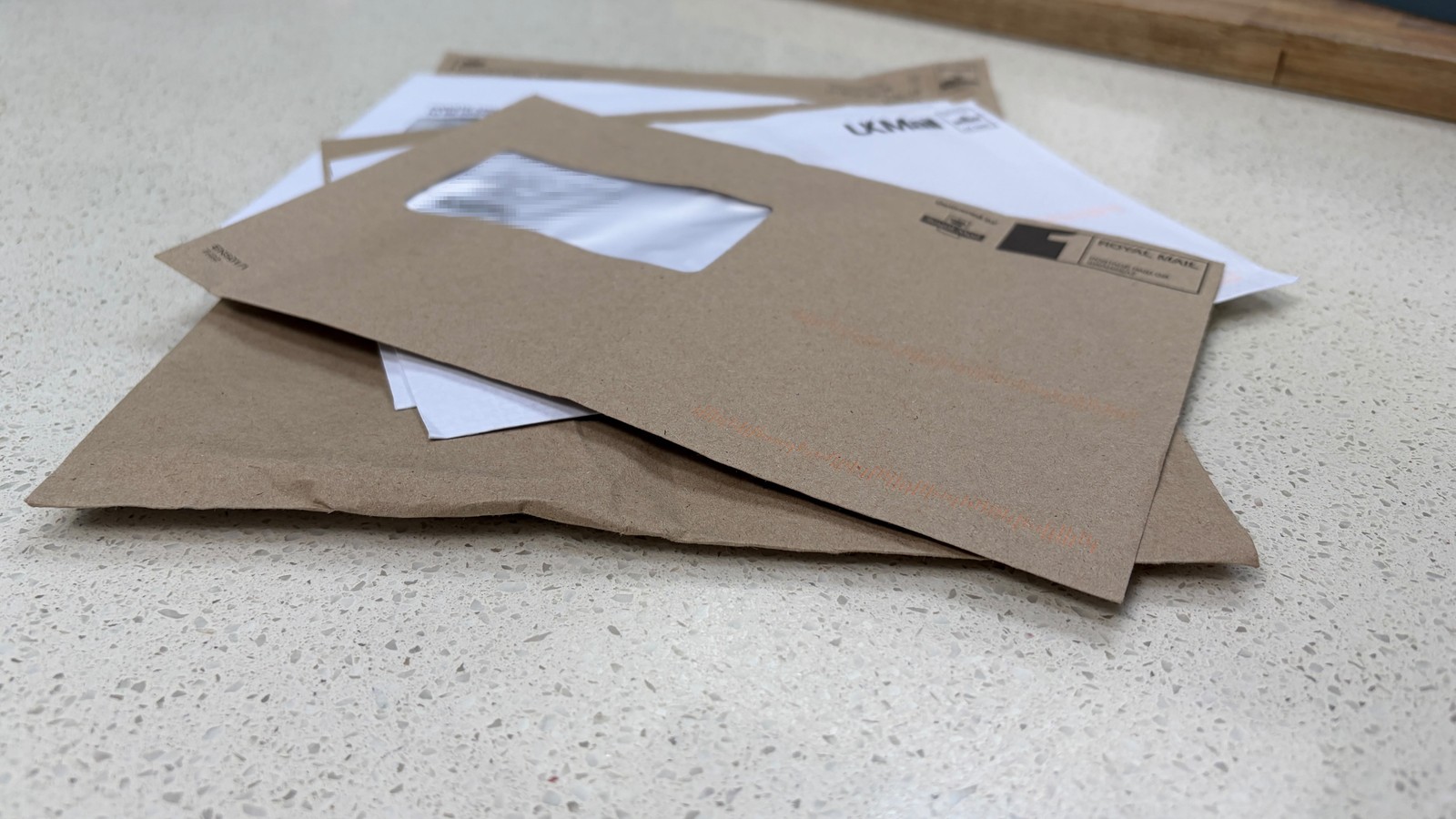
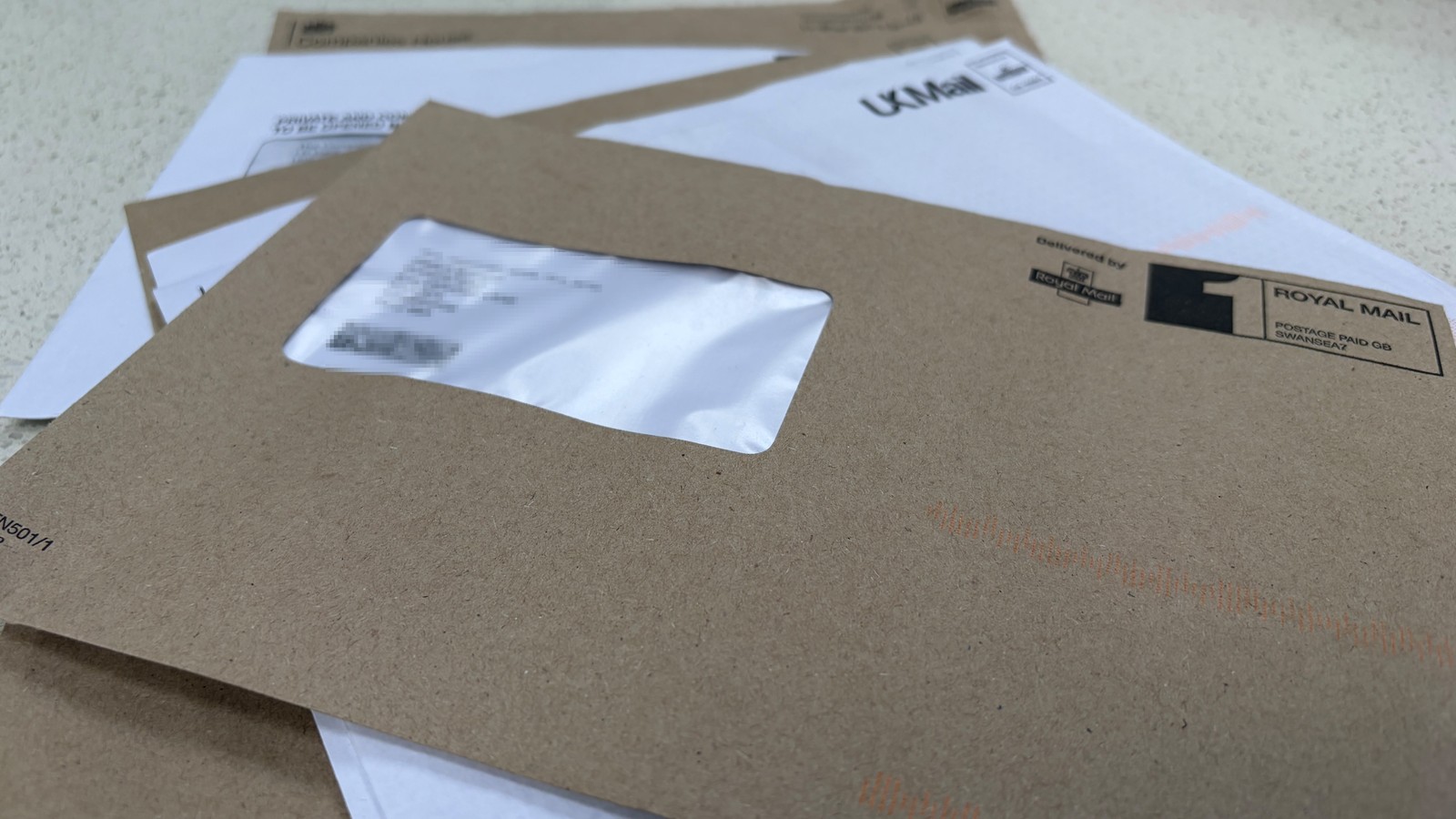
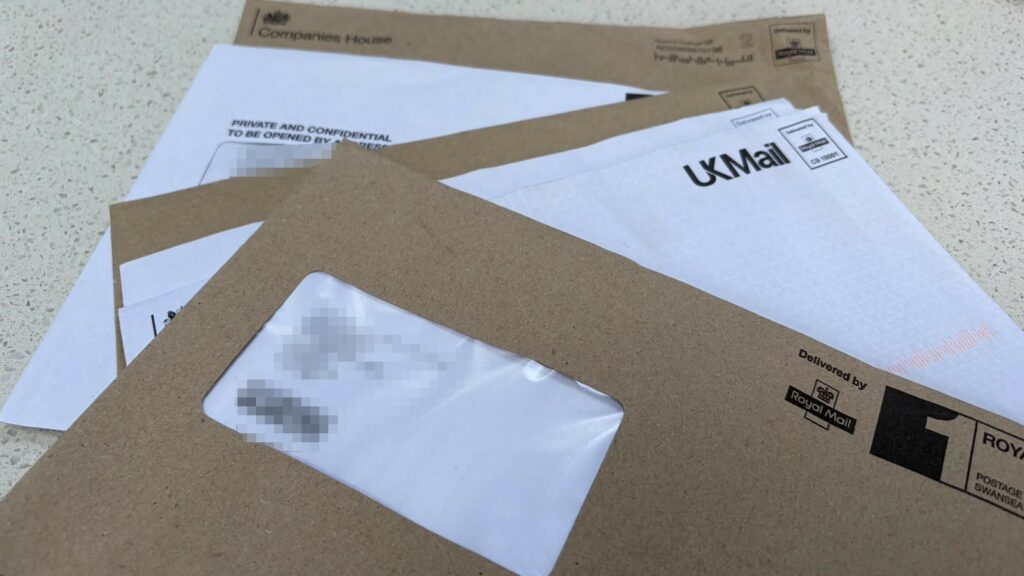
A brown envelope. A Notice of Intended Prosecution. A sinking feeling. And a Driver who signs the form, posts it back within the 28 days, and starts mentally adding three points to their licence — because they believe they’ve just confessed.
Thousands of Motorists surrender winnable cases this way every year — not because they were guilty, but because they thought a signature was a confession.
It isn’t. Not even close.
The Confession That Isn’t
When you sign and return a NIP, you are answering exactly one question: who was driving the vehicle at the time?
That’s it. That’s the whole form.
Whether an offence actually took place — lawfully, provably, enforceably — is a completely different question. The NIP doesn’t ask it, and your signature doesn’t answer it. That question remains wide open, untested, waiting.
And it’s on that second question that cases are won.
Where Prosecutions Actually Fall Apart
Start with the paperwork. The prosecution has to get its own details right, and it frequently doesn’t — a NIP showing the wrong date, the wrong location, even the wrong vehicle registration. These aren’t harmless typos; they can go to the heart of whether a prosecution is valid at all.
Then there’s the road itself. For a speed limit to be enforceable, the signs and markings — the “road furniture” — must meet strict legal requirements. A limit sign swallowed by a hedge, faded past reading, or simply missing where one should stand can make that stretch of road unenforceable, no matter what the camera recorded.
If that sounds theoretical, it isn’t. When broadcaster Iain Dale was caught at 66mph on the A20 in Kent, it looked open and shut — until it emerged the limit had been slashed from 70 to 40 overnight, with only small repeater signs to tell anyone. His case was thrown out. The camera had done its job perfectly. The road hadn’t.
“But I’ve Already Sent It Back…”
Here’s the question worried Drivers ask us more than any other: is it too late for anyone to help me?
No. It is not too late.
Your signature answered question one — who was driving. Question two, whether there’s actually an enforceable case against you, is exactly as open as it was before you picked up the pen. Every challenge above is still on the table.
The only genuinely fatal move is the one most people make: deciding it’s all over, and quietly accepting whatever lands on the doormat next.
Don’t miss a story: join the free DriveProtect newsletter — straight-talking updates for British Motorists.
What To Do Right Now
If you have an outstanding NIP — signed and returned or not — get a specialist eye on it now. Time matters in these cases, and the earlier an expert reviews yours, the more options stay open.
That’s exactly what DriveProtect™ Members get: direct access to a specialist Speeding Solicitor who reviews their case and advises them exactly what to respond, for a fraction of the normal cost of legal help.
The war on the British Motorist, straight to your inbox
Join the free newsletter — straight-talking updates on speed cameras, enforcement, and your rights as a Driver.
Join the NewsletterGot a NIP or points on your licence right now? See how DriveProtect Membership works — a specialist Speeding Solicitor in your corner from £25/month.