

- Under section 127 of the Magistrates’ Courts Act 1980, a speeding charge must be laid within six months of the alleged offence.
- Miss that deadline and the court loses jurisdiction entirely — the case is dead, and no prosecutor can revive it.
- One of our Members watched exactly that happen — and his licence came back through the letterbox without a single point on it.
Denis drives for a living — a thousand miles and more each week, moving cars and small lorries around the country for customers on trade plates.
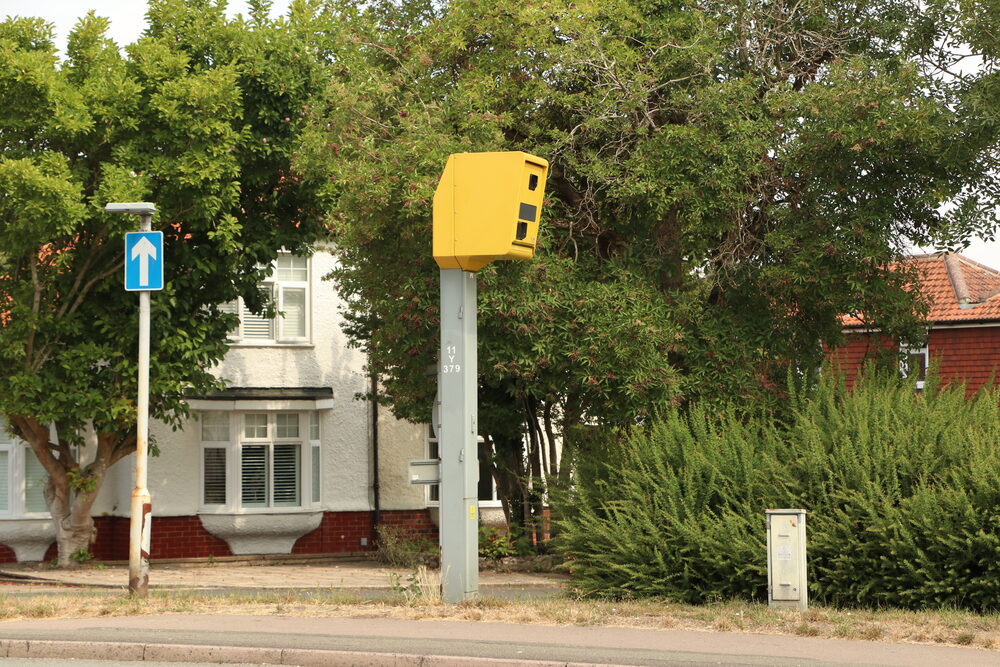
One December he passed a fixed camera at 35mph in a 30 — a road where the limit had been dropped from 40 just weeks before — and the camera flashed.
What followed was a paper chase. The request to name the driver went to the lease company, then to the company leasing the vehicle, then to the firm Denis drives for, and finally to Denis — who found the form wasn’t even addressed to him, and sent it back up the chain. Letters crossed, deadlines were confused, and at one point Denis was told to post his credit card details to the police, which he sensibly declined to do.
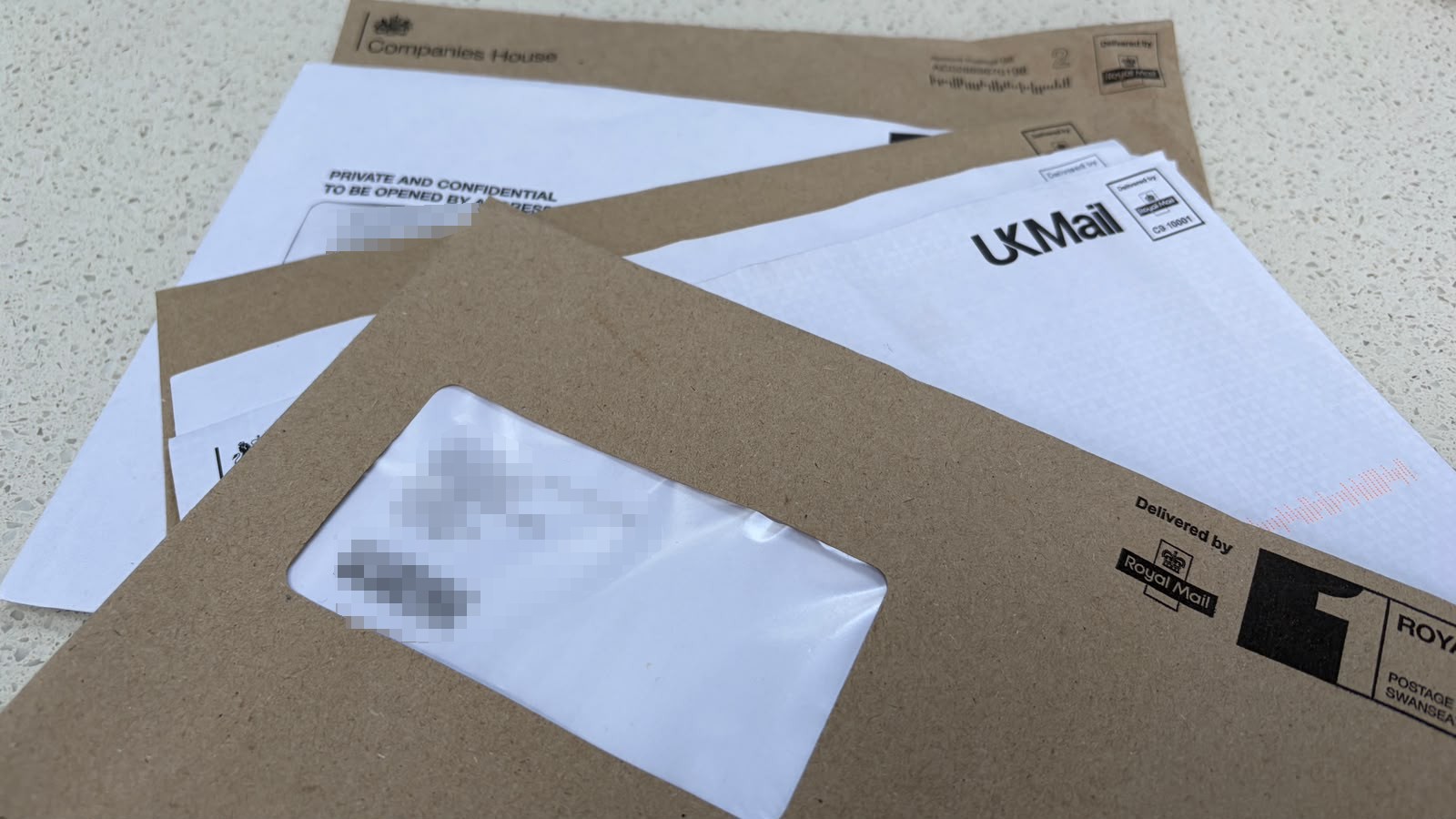
Months later, an envelope arrived containing his driving licence and a standard letter closing the matter. No points, no fine — case over.
Denis hadn’t beaten the camera. The prosecution had beaten itself — against a deadline written into the law for over forty years.
What the Law Actually Says
Section 127 of the Magistrates’ Courts Act 1980 is blunt: for summary-only offences — the category that includes speeding — the prosecution must lay the charge before the court within six months of the date of the alleged offence.
If it doesn’t, the Magistrates’ Court has no jurisdiction to try the case at all. There’s no discretion, no extension for a busy police force, no second chance. Out of time is out of time.
One nuance matters: the deadline is for laying the charge, not for the summons reaching you. Paperwork can legitimately arrive after the six months, provided the charge itself was laid in time — which is exactly why the dates need checking by someone who knows what to look for.
Where the Clock Beats Them
In a straightforward case — private car, registered keeper, home address — the police process a camera offence in weeks, and the six-month limit never comes close to mattering.
But add complexity and the machine starts to wheeze. Company cars, lease chains, hire vehicles, house moves, forms addressed to the wrong party — every extra link in the chain eats time. Motoring solicitors have reported prosecutors charging closer and closer to the deadline as court backlogs have grown, and cases do fall over the edge.
That’s what happened to Denis: nobody’s clever plan, just a complicated chain and a clock that doesn’t stop.
A Warning Before You Get Any Ideas
Here’s what this rule is not: an invitation to stall. When you receive a request under section 172 to identify the driver, responding is a legal obligation in its own right — and failing to do so is a separate offence carrying six penalty points, which is worse than most speeding penalties you’d be trying to dodge.
The six-month rule binds the prosecution, not you. Your job is simply to meet your own obligations, keep every dated document, and understand that their deadline exists — because if they miss it, the case dies whether you did anything clever or not.
Don’t miss a story: join the free DriveProtect newsletter — straight-talking updates for British Motorists.
Let Someone Check the Dates
Deadlines are exactly the kind of thing prosecutions get wrong — and exactly the kind of thing an untrained eye misses. Was the NIP served in time? Was the charge laid in time? Do the dates on your paperwork actually add up?
DriveProtect™ Members never have to puzzle over that alone. The moment a NIP or summons arrives, Members get direct access to a specialist Speeding Solicitor who reviews the case — dates included — and advises them exactly what to respond, for a fraction of the normal cost of legal help.
The war on the British Motorist, straight to your inbox
Join the free newsletter — straight-talking updates on speed cameras, enforcement, and your rights as a Driver.
Join the NewsletterGot a NIP or points on your licence right now? See how DriveProtect Membership works — a specialist Speeding Solicitor in your corner from £25/month.