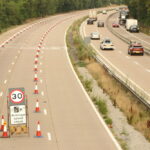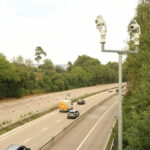
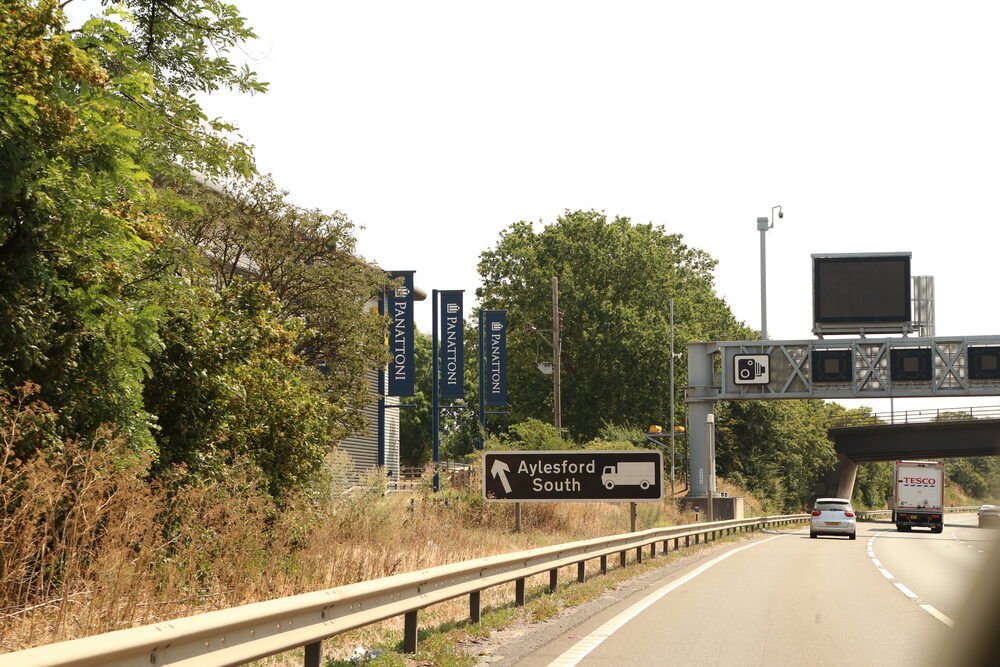

- A generation of AI-powered cameras with 4D radar can detect speeding, mobile phone use, seatbelt offences and even how many people are in the car — while checking your tax and insurance against police and DVLA databases.
- In one trial, a single camera reportedly caught almost 300 Drivers in its first three days of operation.
- Yet when 2,000 Motorists were surveyed, around six in ten had no idea these cameras were on UK roads at all.
Picture the speed camera you grew up with: the big yellow Gatso box, the white lines on the tarmac, the double flash in your mirrors. You knew where it was, you knew what it measured, and you knew the moment it had you.
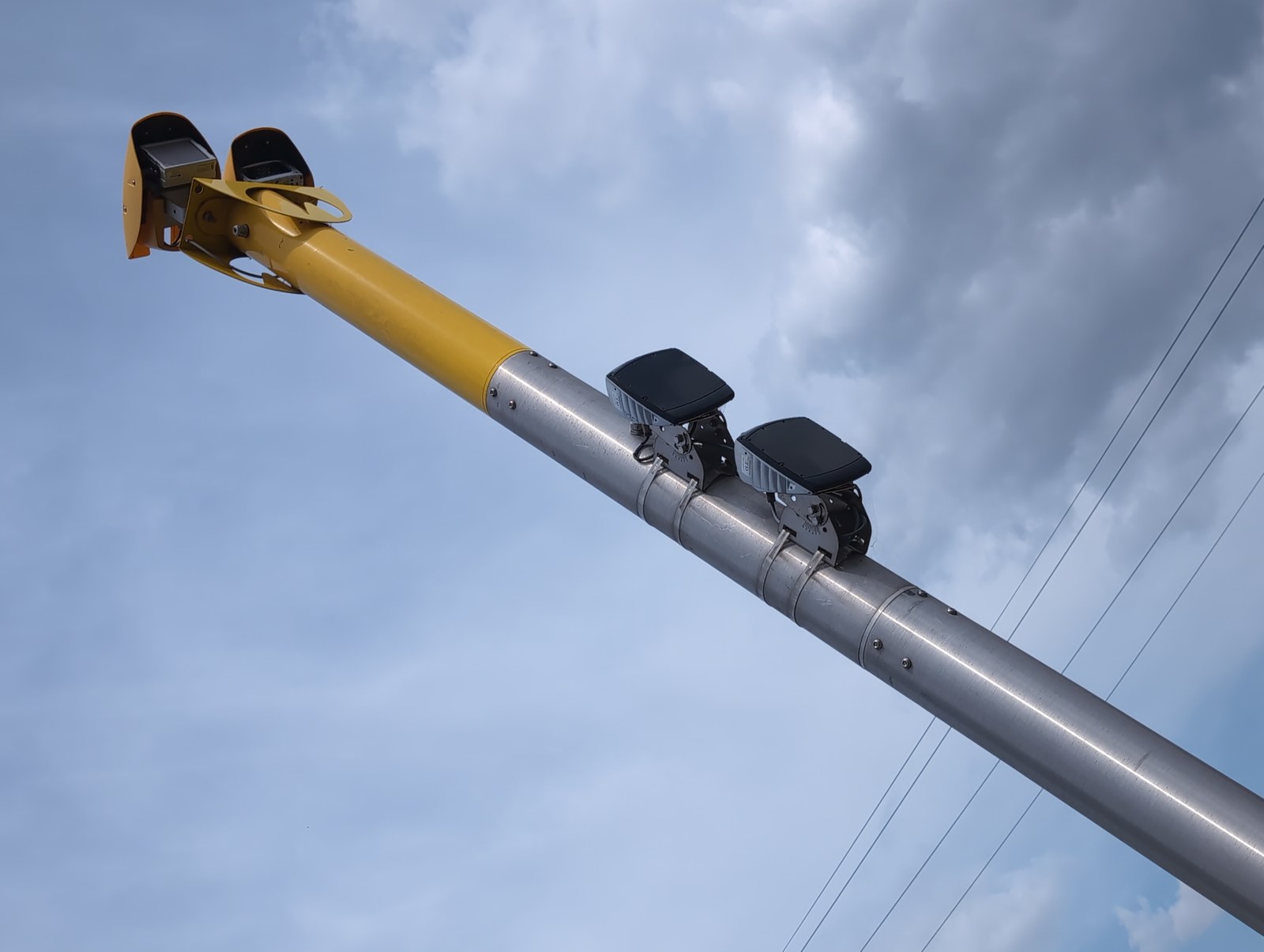
Now picture its replacement: a slim grey unit on a roadside pole. No flash. No markings. No lines on the road.
It’s watching up to six lanes at once — and it isn’t just measuring your speed.
Using 4D radar and high-resolution imaging, this camera can see through your windscreen: a phone in a hand, a seatbelt not worn, how many people are in the vehicle. And because it links to police and DVLA databases, it can check whether the car is taxed and insured while it’s at it.
These cameras are not a concept. They are already on British roads — and most Drivers have never heard of them.
What These Cameras Actually Do
The best-known of the breed is the British-made Redspeed Sentio, which the RAC has profiled in detail. One unit monitors up to six lanes of traffic. Its radar tracks precisely how far over the limit each vehicle is travelling, while its cameras capture what’s happening inside.
The AI flags a suspected offence — speeding, phone use, no seatbelt — and a human reviews the evidence before any prosecution. The database link to the DVLA and police systems means untaxed or uninsured vehicles can be picked up in the same pass.
In other words, one pole-mounted box now does the work that used to require a Gatso, an ANPR unit, and a police officer peering through your window — simultaneously, in both directions, around the clock.
And the early numbers show exactly what happens when you switch one on.
Almost 300 Drivers in Three Days
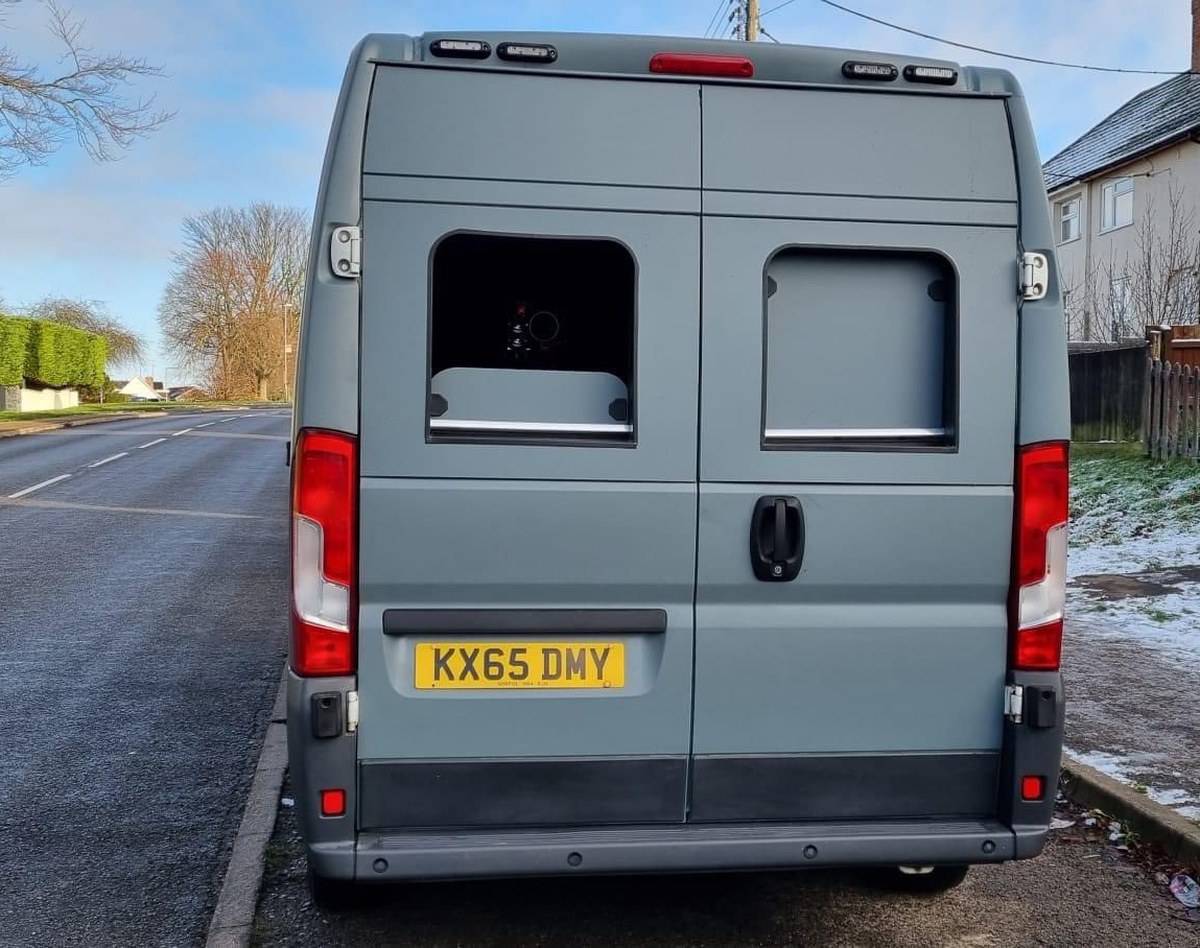
Trial cameras first appeared in Lambeth, south London, and on a road spanning Devon and Cornwall. According to the RAC, one of those trial cameras caught almost 300 Drivers for rule-breaking in its first three days of operation.
That’s roughly a hundred a day, from a single unit.
The pattern holds wherever the technology lands. Figures released under Freedom of Information rules showed more than 3,000 Motorists across West Mercia, Norfolk and Durham received a NIP from AI cameras in 2025 — a 63 per cent jump on the year before.
Enforcement on this scale used to require fleets of camera vans. Now it requires a pole.
Half the Country Thinks It’s Gone Too Far
Back in 2023, a survey of 2,000 British Motorists found around six in ten had no idea these cameras existed. Once told, the country split almost exactly down the middle: 50 per cent called them an unjustified invasion of privacy; 49 per cent disagreed. More than a quarter said they’d go out of their way to avoid roads that have them.
Big Brother Watch has condemned the technology as surveillance that “treats every passer-by as a potential suspect”, arguing people should be free to go about their lives without being analysed by AI systems.
The Alliance of British Drivers went further, saying the old assurance that cameras existed purely to prevent accidents had been shown to be a sham, with revenue the real objective.
And to anyone tempted by “if you’ve done nothing wrong, you’ve nothing to worry about” — Edward Snowden had the definitive answer: dismissing privacy because you have nothing to hide, he observed, is like dismissing free speech because you have nothing to say.
No Flash, No Markings, No Warning
If you think the trials were the end point, look at what came next.
In 2026, Transport for London began trialling radar-based cameras combining 4D tracking with 4K imaging at up to ten sites across ten London boroughs — all on 20mph and 30mph roads. No flash, no lights, no road markings, no sensors in the tarmac: none of the cues Drivers have relied on for thirty years to know where enforcement happens.
Each unit watches up to five lanes in both directions. TfL says that’s 67 per cent more traffic surveyed per camera than the old technology managed.
The direction of travel could not be clearer: more cameras, seeing more, with less warning.
What This Means for You
Here’s the practical point. As AI cameras spread, the number of NIPs landing on doormats is rising sharply — and many will go to Drivers who had no idea an offence had even been recorded, on roads with no visible enforcement at all.
But an AI flag is not a conviction. The evidence still has to be reviewed by a human, the NIP still has to be valid and served in time, and the alleged offence still has to be provable — phone-use and seatbelt allegations, in particular, turn on what an image actually shows. New technology does not get a pass on old legal requirements.
Testing that is exactly what DriveProtect™ Members get: the moment a NIP arrives — from a Gatso, a camera van, or an AI unit they never saw — direct access to a specialist Speeding Solicitor who reviews the case and advises them exactly what to respond, for a fraction of the normal cost of legal help.
The war on the British Motorist, straight to your inbox
Join the free newsletter — straight-talking updates on speed cameras, enforcement, and your rights as a Driver.
Join the NewsletterGot a NIP or points on your licence right now? S