
- A Driver with 9 or more live points cannot legally accept a fixed penalty for a new offence — the £100-and-3-points route is closed.
- Admit to the NIP and the case goes to Court instead, where 12 points within 3 years means a minimum 6-month totting-up ban.
- Most Drivers on 9 points discover this only when the summons lands — with days, not months, to build a defence.
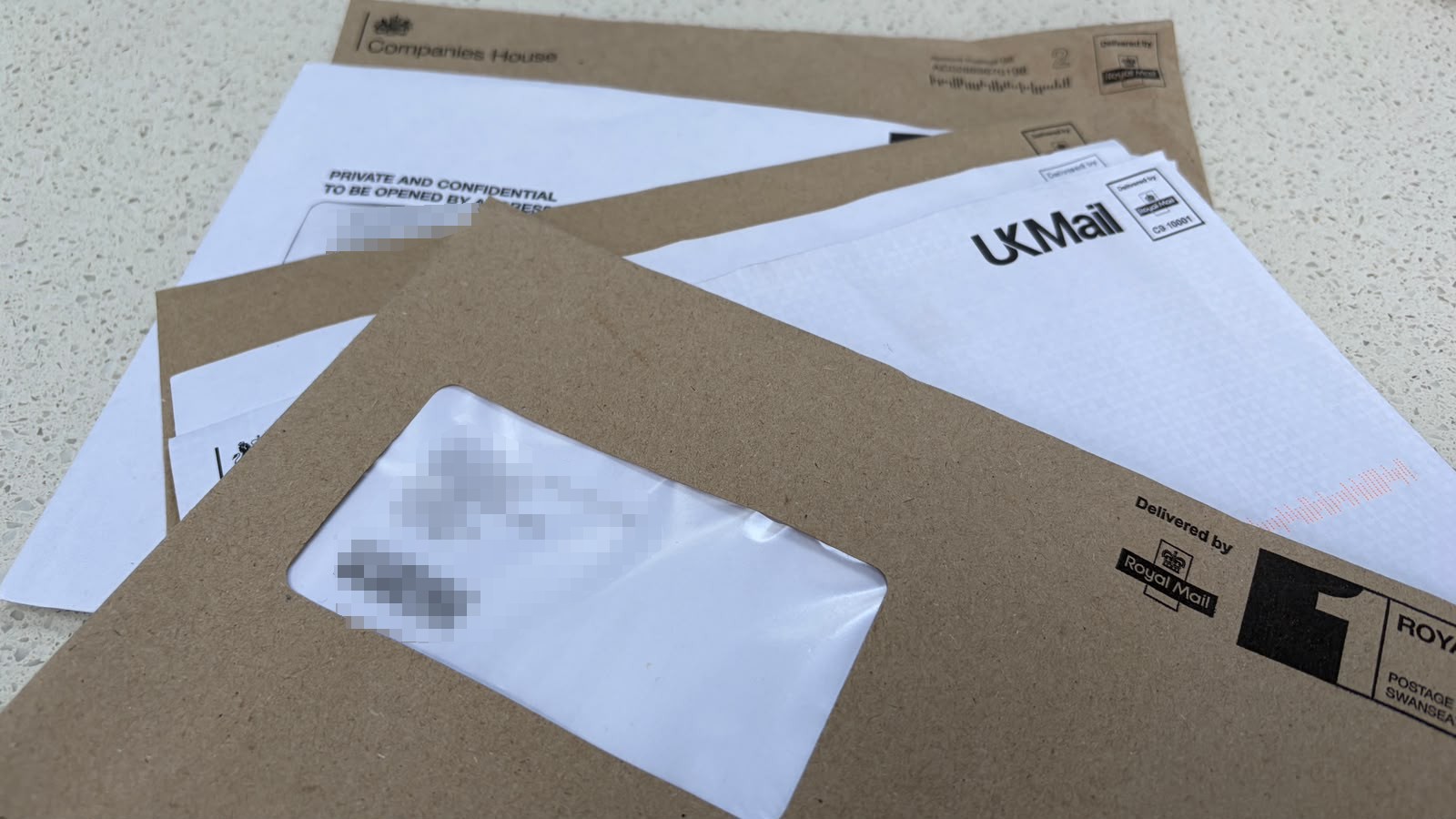
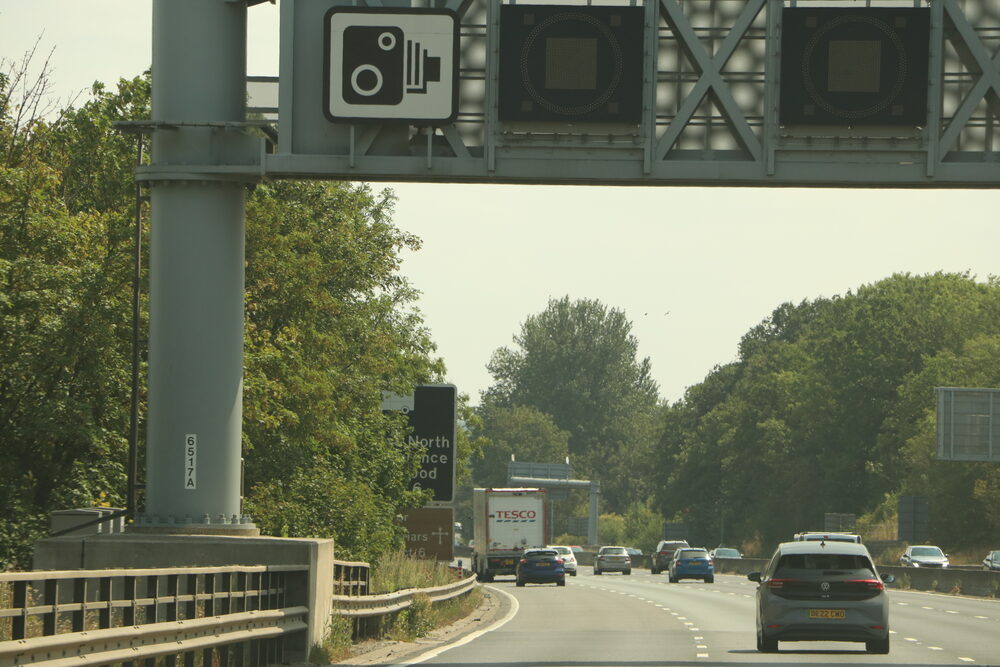
For most Motorists, a speeding ticket follows a well-worn routine: the NIP arrives, you confirm you were driving, you pay the £100, you take the 3 points, and life carries on.
Now here’s what almost nobody on 9 points realises: for you, that routine no longer exists.
A fixed penalty is a conditional offer, and it cannot be accepted where taking it would push you to 12 points — because at 12 points, the decision is no longer a form-filling exercise. It belongs to a Court.
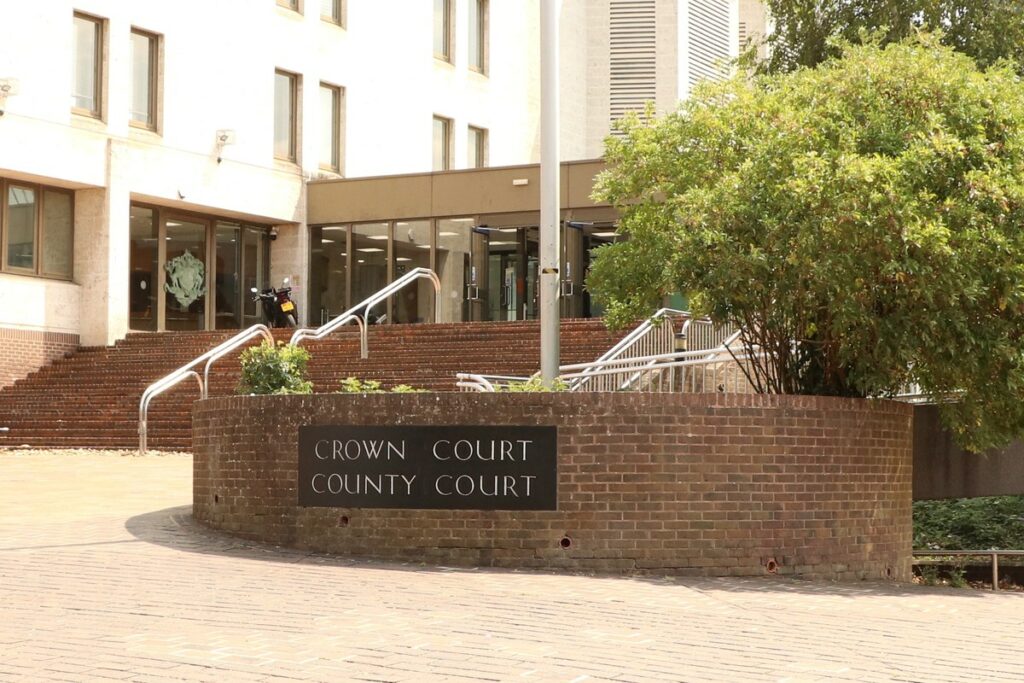
So the moment you return that NIP admitting you were the Driver, there is only one road left, and it leads to the Magistrates.
You won’t be offered the fine. You won’t be ticking a box. You will be summoned — with a minimum six-month ban on the table under the totting-up rules.
One of our own Solicitors pointed this out to us years ago, and it stopped us cold. It stops most Drivers cold. Which is exactly the problem: they find out when the summons is already in their hand.
Why 9 Points Is a Cliff Edge, Not a Warning
The arithmetic is brutal in its simplicity. Points for totting-up purposes stay live for 3 years, counted offence date to offence date. Reach 12 within that window and the starting position is disqualification for at least six months.
On 9 points, even the most minor camera offence — 3 points, the smallest endorsement the law hands out — takes you to exactly 12.
That’s why there’s no fixed penalty waiting for you. The system isn’t being spiteful; it simply cannot let you sign your own six-month ban at the kitchen table. A disqualification of that kind has to be dealt with by a Court, with you present.
Which sounds almost protective, until you realise what it means in practice: an ordinary speeding matter, the kind your neighbour settles with a debit card, becomes a Court hearing where your licence — and for many people, their job with it — is the stake.
The Hearing Is Not a Formality — in Either Direction
Here’s what the summons doesn’t tell you: a totting-up ban at 12 points is the starting point, not a foregone conclusion.
The Courts recognise an argument called Exceptional Hardship — that losing your licence would cause hardship going well beyond the ordinary inconvenience every banned Driver suffers. A job that cannot survive without driving, dependants who rely on you, care responsibilities no one else can cover. Argued properly, with evidence, it can persuade Magistrates not to disqualify at all, or to impose a shorter ban.
But “argued properly, with evidence” is doing heavy lifting in that sentence. This is a formal legal argument with its own rules and pitfalls, made in person, under questioning — and Drivers who wander in unprepared, hoping sincerity will carry the day, routinely leave without a licence.
The difference between the two outcomes is usually decided long before the hearing, in the preparation.
Don’t miss a story: join the free DriveProtect newsletter — straight-talking updates for British Motorists.
If You’re on 9 Points Right Now
Then the time to line up your legal help is today — before any envelope arrives.
Because when it does arrive, the clock is merciless. You have 28 days to respond to the NIP’s driver-identity request, and finding a genuinely good specialist, instructing them, and preparing either a defence or an Exceptional Hardship argument inside that window is a scramble nobody enjoys — least of all the Driver whose livelihood depends on getting it right.
Every part of the case still deserves scrutiny, too. Was the NIP served correctly and on time? Is the evidence sound? Points are only inevitable if the offence is actually proved — and testing that is a specialist’s job.
DriveProtect™ Members never face that scramble. From the moment anything lands on the doormat, Members get direct access to a specialist Speeding Solicitor who reviews the case and advises them exactly what to respond, for a fraction of the normal cost of legal help — with Court representation available if it comes to that.
The war on the British Motorist, straight to your inbox
Join the free newsletter — straight-talking updates on speed cameras, enforcement, and your rights as a Driver.
Join the NewsletterGot a NIP or points on your licence right now? See how DriveProtect Membership works — a specialist Speeding Solicitor in your corner from £25/month.