
- AI cameras mounted high on masts and vans photograph straight through your windscreen — and one caught almost 300 Drivers in its first 72 hours on a single Cornish road.
- Ten police forces joined the scheme in 2024, from Greater Manchester to Thames Valley, and by 2026 the technology was being tested across 19 regions.
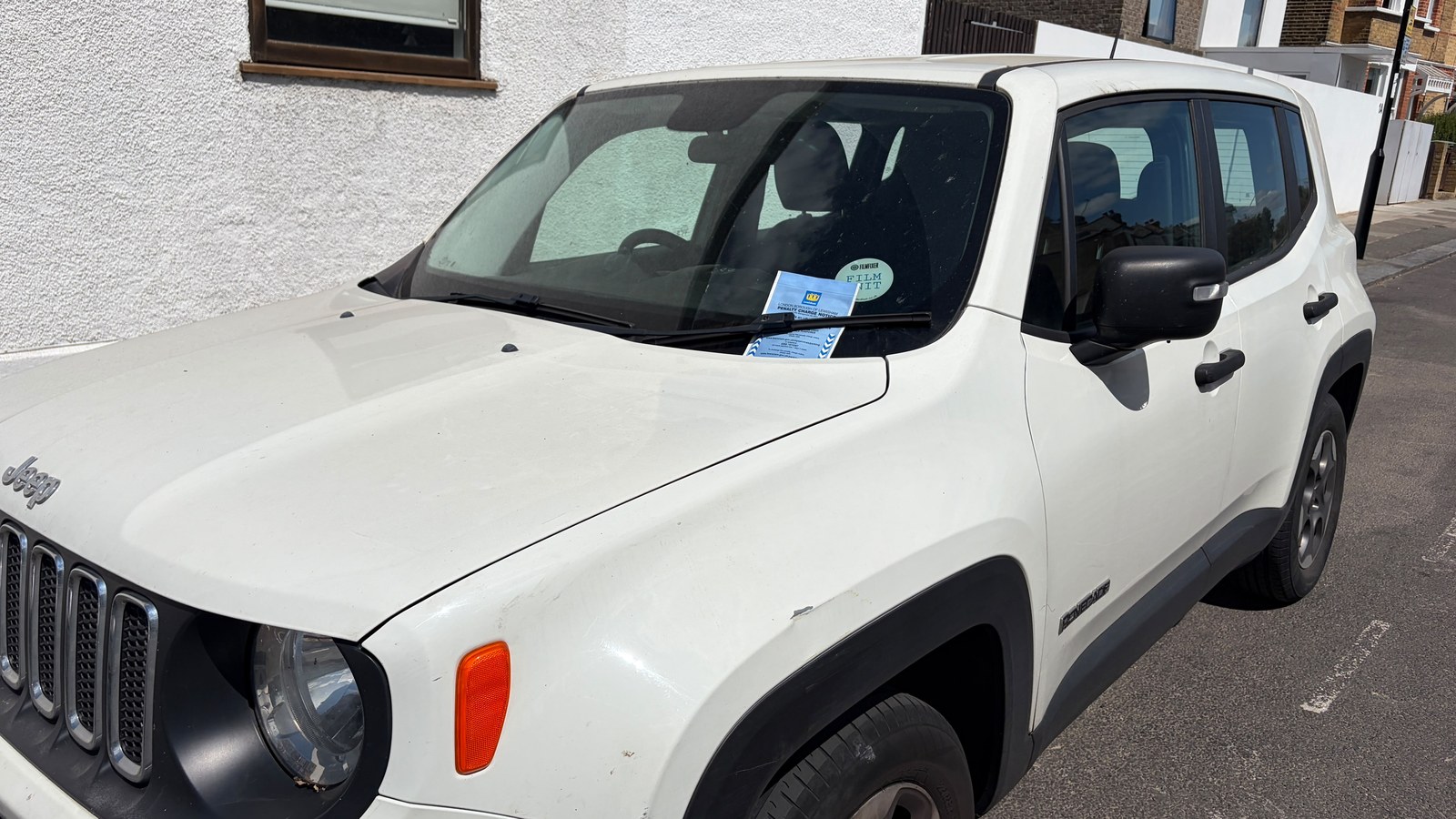
- If one of them photographs you, the first you’ll know about it is a letter on the doormat.
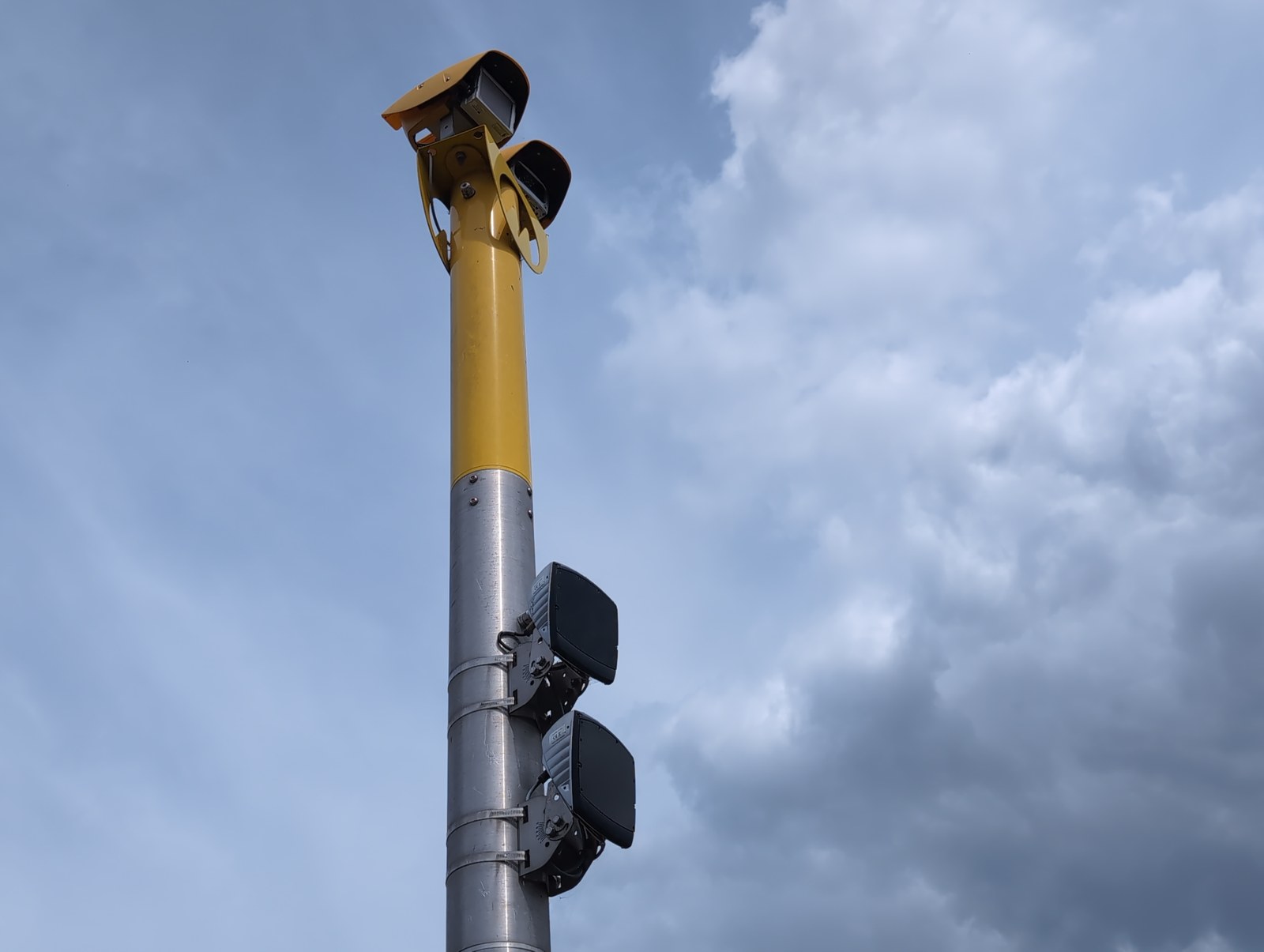
In 2023, a new camera appeared on the A30 near Launceston in Cornwall. It didn’t measure speed. It looked inside the cars.
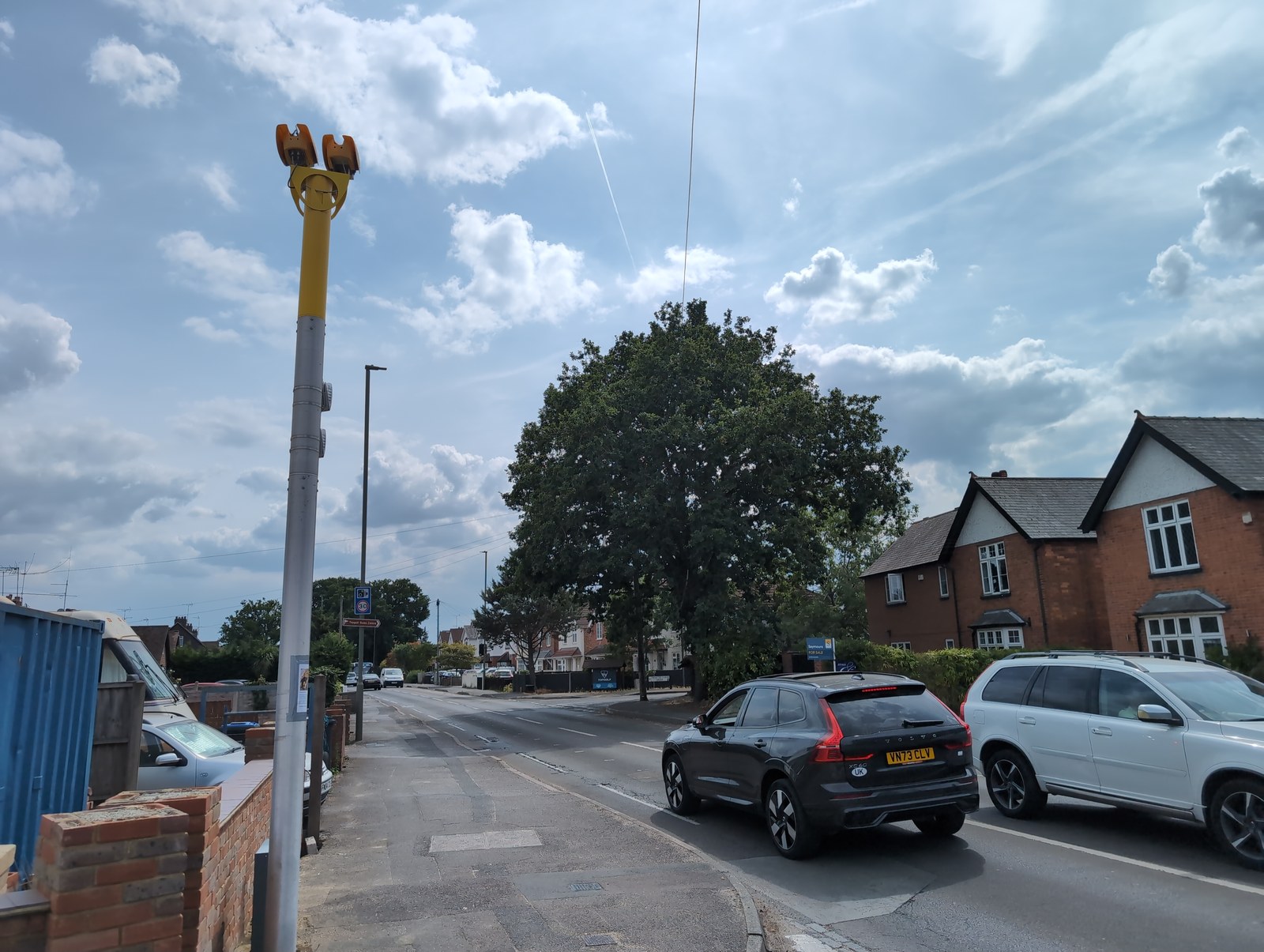
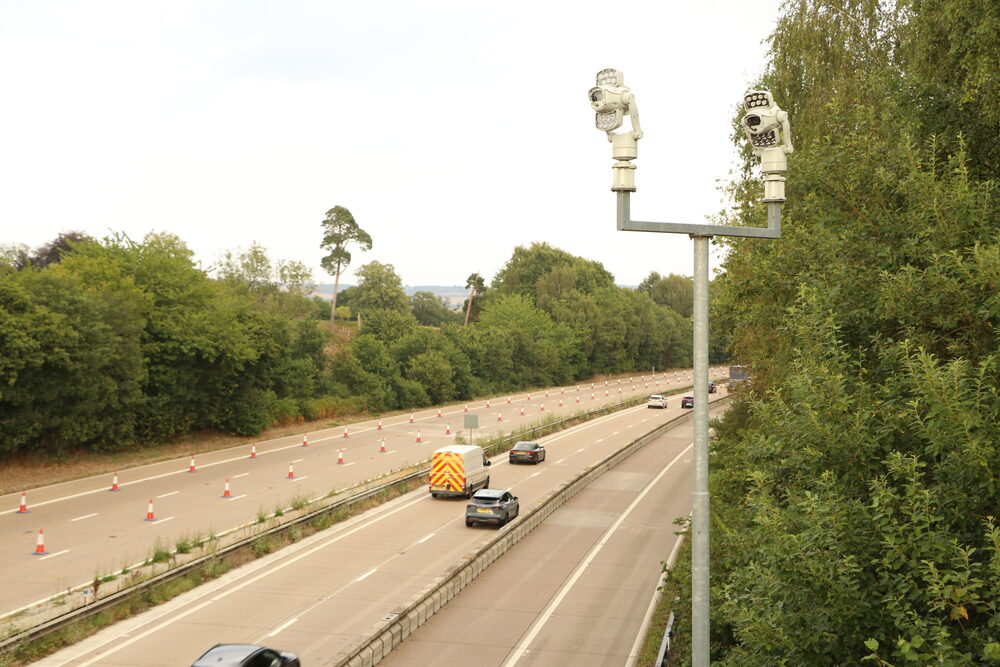
Perched high on a free-standing mast, it photographed every passing vehicle straight through the windscreen — and in its first 72 hours, it flagged almost 300 Drivers for using a phone or skipping a seatbelt.
Three days, one road — nearly 300 potential prosecutions.
The system is called Heads Up, built by Australian firm Acusensus, and it marks the biggest change in roadside enforcement since the speed camera itself: for the first time, the camera isn’t watching your car. It’s watching you.
How It Actually Works
The rig takes two photographs of every vehicle that passes. One is shot at a steep angle, down through the windscreen, using an infrared flash that works day and night. The other is a shallower, forward-facing view that works even at motorway speeds.
The height matters. Mounted well above traffic on a mast, van roof or trailer, the camera gets a clear line of sight into the cabin — your hands, your lap, your seatbelt, your passengers.
Artificial intelligence then scans every image in real time. If the software thinks it sees a phone in a hand or a missing belt, the image goes to a human officer, who decides whether an offence has been committed. Depending on severity, the Driver gets a warning letter or a Notice of Intended Prosecution. Images the AI clears are deleted.
That’s the theory. The scale is what should make you sit up.
From One Van to Half the Country
The scheme began quietly in 2021 as a partnership between Warwickshire Police and National Highways — a single monitoring vehicle parked at the roadside.
Then came the Devon and Cornwall trial in October 2022, and the numbers stunned even the police running it: in just 15 days, the cameras detected 590 people not wearing seatbelts and 45 on their phones.
In 2024, ten more forces signed up in one go: Durham, Greater Manchester, Humberside, Norfolk, Northamptonshire, Staffordshire, Sussex, Thames Valley, West Mercia and Wiltshire.
A trial on the A23 in Sussex logged 450 offences in five days. By April 2026, Sussex Police had moved from trialling the cameras to switching them on as routine enforcement — and the technology was being tested across 19 regions of the UK.
In the space of five years, a camera that looks into your car went from one van in Warwickshire to a national network in all but name.
What a Single Photograph Can Cost You
These cameras target the two offences that are easiest to spot from above — and among the most expensive to be caught committing.
Using a handheld phone at the wheel brings a £200 fixed penalty and six points. Six points is enough to end a new Driver’s licence outright, and for everyone else it’s one more camera flash away from a totting-up ban. Take it to Court and the fine can reach £1,000.
Not wearing a seatbelt is a £100 fixed penalty, rising to as much as £500 if the case goes before a Court.
And here’s the detail many Motorists miss: what counts as “using” a phone in law is far broader than making a call. Holding a device at all — to check a map, skip a song, glance at a message at the lights — can be enough.
Don’t miss a story: join the free DriveProtect newsletter — straight-talking updates for British Motorists.
A Photograph Is Evidence — Not a Verdict
None of this means resistance is pointless when the letter arrives.
An AI’s suspicion still has to become a lawful prosecution. The human review has to be sound. The NIP has to be served correctly and on time. And the photograph has to actually prove the offence — that the object in your hand was a phone, that it was being used, that the belt really wasn’t worn. A grainy image shot through glass at an angle does not always prove what the prosecution says it proves.
But testing that is specialist work, and the window to respond is short.
DriveProtect™ Members don’t face it alone. The moment a NIP arrives — whether it came from a speed camera, an officer, or an AI on a mast — Members get direct access to a specialist Speeding Solicitor who reviews the case and advises them exactly what to respond, for a fraction of the normal cost of legal help.
The war on the British Motorist, straight to your inbox
Join the free newsletter — straight-talking updates on speed cameras, enforcement, and your rights as a Driver.
Join the NewsletterGot a NIP or points on your licence right now? See how DriveProtect Membership works — a specialist Speeding Solicitor in your corner from £25/month.