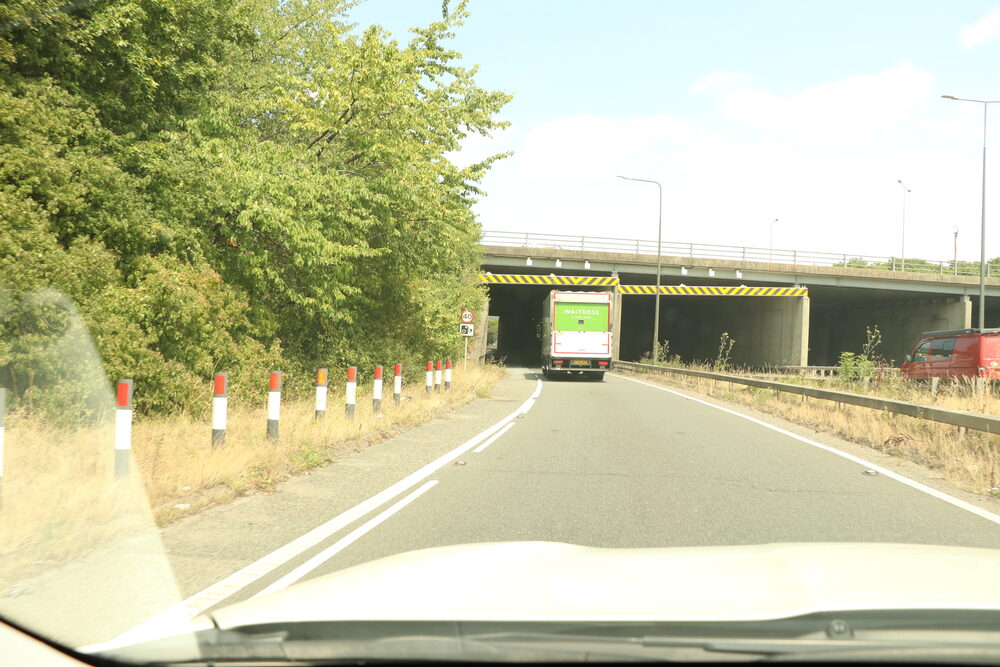

- The speed limit on any road is set by the signage and the legal order behind it — not by what a police officer believes it to be.
- Councils have had to admit that some of their own 30mph limits were invalid and legally unenforceable.
- Our founder learned the lesson at 1am on a Kent road — and what he did the next morning is the part every Driver should copy.
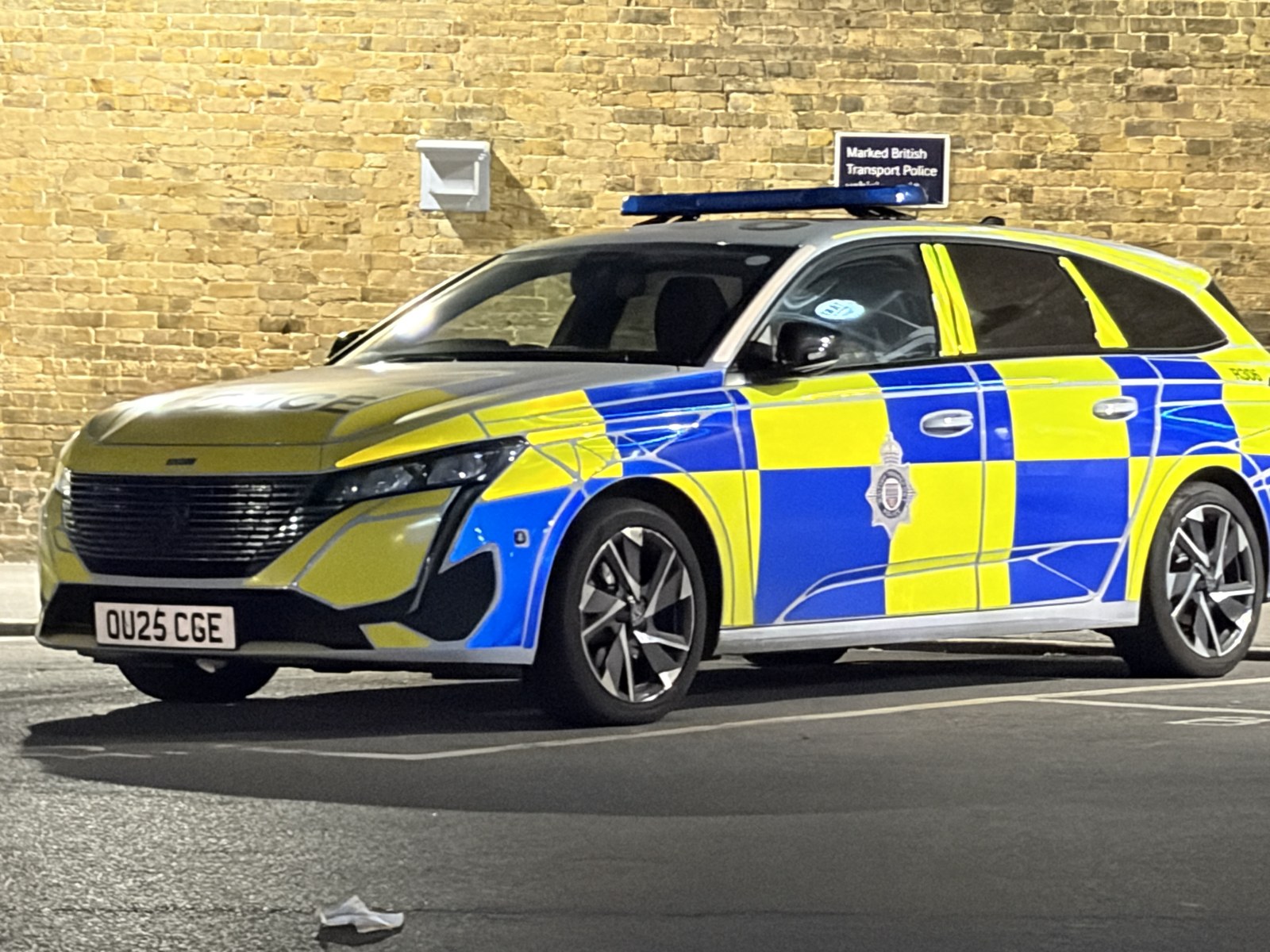
Around 1am one night, driving back from Gravesend in Kent with two friends in the car, our founder saw blue lights in his mirror.
The officers, in truth, were fishing for drink Drivers. But they needed a reason for the stop, so the question came: did he know he’d been speeding?
He replied, politely, that he’d been doing 40 — the speed limit. The officer corrected him: the limit was 30, and he should have known from how close together the street lights were.
A breath test followed. It came back clean, and after a short lecture everyone went on their way.
Here’s the part that matters. The next day, our founder drove back to that road and checked. The limit was 40mph — exactly as he’d said at the roadside. The officer, mistaken or otherwise, had simply been wrong.
The Street Light “Rule” — And What It Actually Says
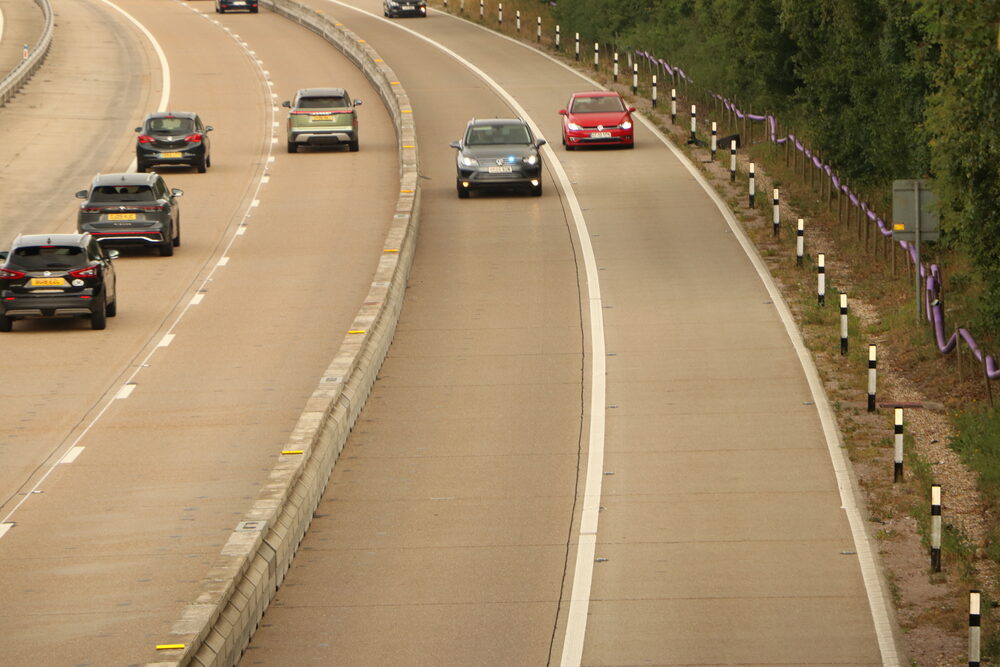
To be fair to the officer, he was reaching for a real piece of law. A road with a system of street lighting — lamps no more than 183 metres apart — is a “restricted road”, and a restricted road defaults to 30mph.
But there’s a crucial second half he skipped: that default only applies where no signs or legal order say otherwise. Where a traffic authority has set a different limit — 40, in this case — through a Traffic Regulation Order with proper terminal and repeater signs, that order governs. The lamp posts don’t outrank the signs.
In other words, the limit on any British road is a question of paperwork and signage, decided long before you drove down it. It is never a question of what the officer at your window happens to believe.
READ MORE: The Three Points That Never Happened — What Really Sways a Police Officer at the Roadside
When the Limit Itself Is Illegal
If an officer can get the limit wrong, can the authorities themselves? They can — and they have said so in their own published documents.
Leicestershire County Council, reviewing its speed limit orders, found a number that were outdated and incorrect — including locations where a 30mph limit had been designated on the basis of street lighting that wasn’t actually there. The council’s own conclusion was blunt: those 30mph limits were invalid and not legal, and new orders and signs were needed to make them enforceable.
Sit with that for a moment. Drivers could have been prosecuted — points, fines, insurance hikes — under limits the authority later conceded were never lawfully in force.
Nobody was going to volunteer that fact at the roadside. It only surfaces when somebody checks.
Don’t miss a story: join the free DriveProtect newsletter — straight-talking updates for British Motorists.
So Be the Somebody Who Checks
Which brings us to the moral of that night in Kent, and it has never been more practical to follow.
If you are ever accused of speeding — at the roadside, by camera, or by a NIP on the doormat — verify the limit on that exact stretch of road. Don’t assume the prosecution has it right; as we’ve seen, even the people who set the limits sometimes don’t.
You don’t even need to leave the house. Google Street View will show you the signs on almost any road in Britain, and you can trace the route you drove, sign by sign, from your kitchen table. If the road is nearby, better still — go and look with your own eyes, and photograph what you find.
And if what you find doesn’t match what the paperwork claims? That’s not a detail. That can be the whole case.
Judging whether it is — and what to say in response — is where DriveProtect™ comes in. Members get direct access to a specialist Speeding Solicitor who reviews their case and advises them exactly what to respond, for a fraction of the normal cost of legal help.
The war on the British Motorist, straight to your inbox
Join the free newsletter — straight-talking updates on speed cameras, enforcement, and your rights as a Driver.
Join the NewsletterGot a NIP or points on your licence right now? See how DriveProtect Membership works — a specialist Speeding Solicitor in your corner from £25/month.