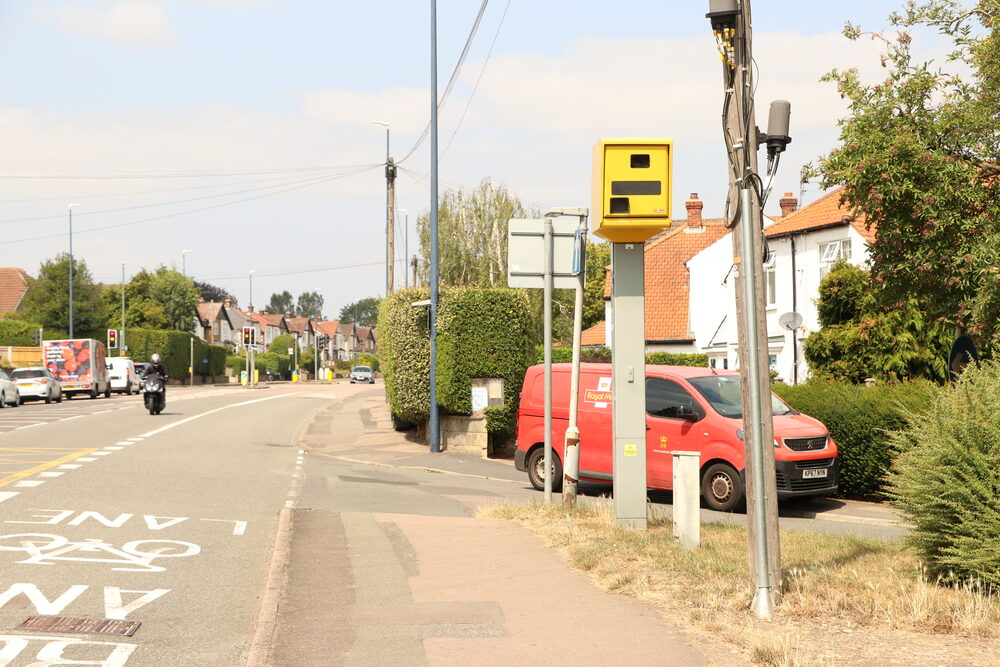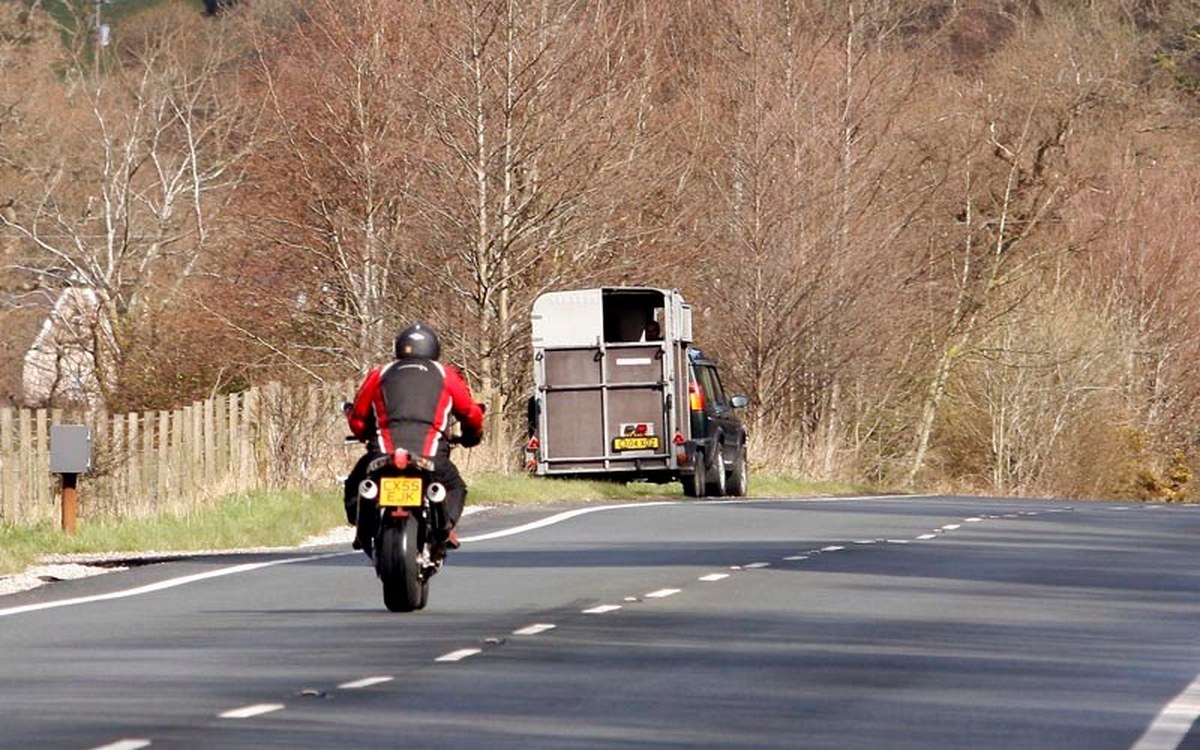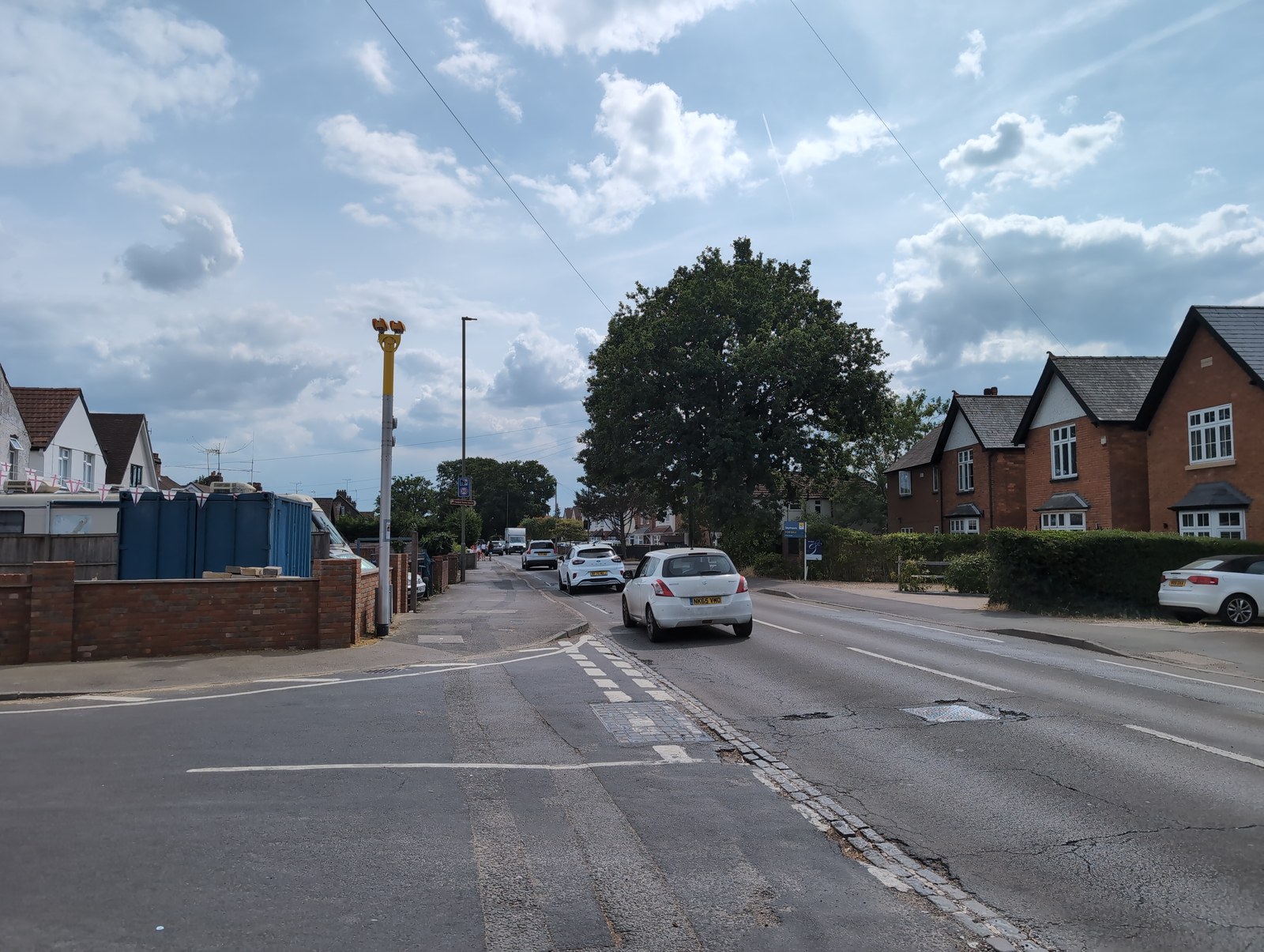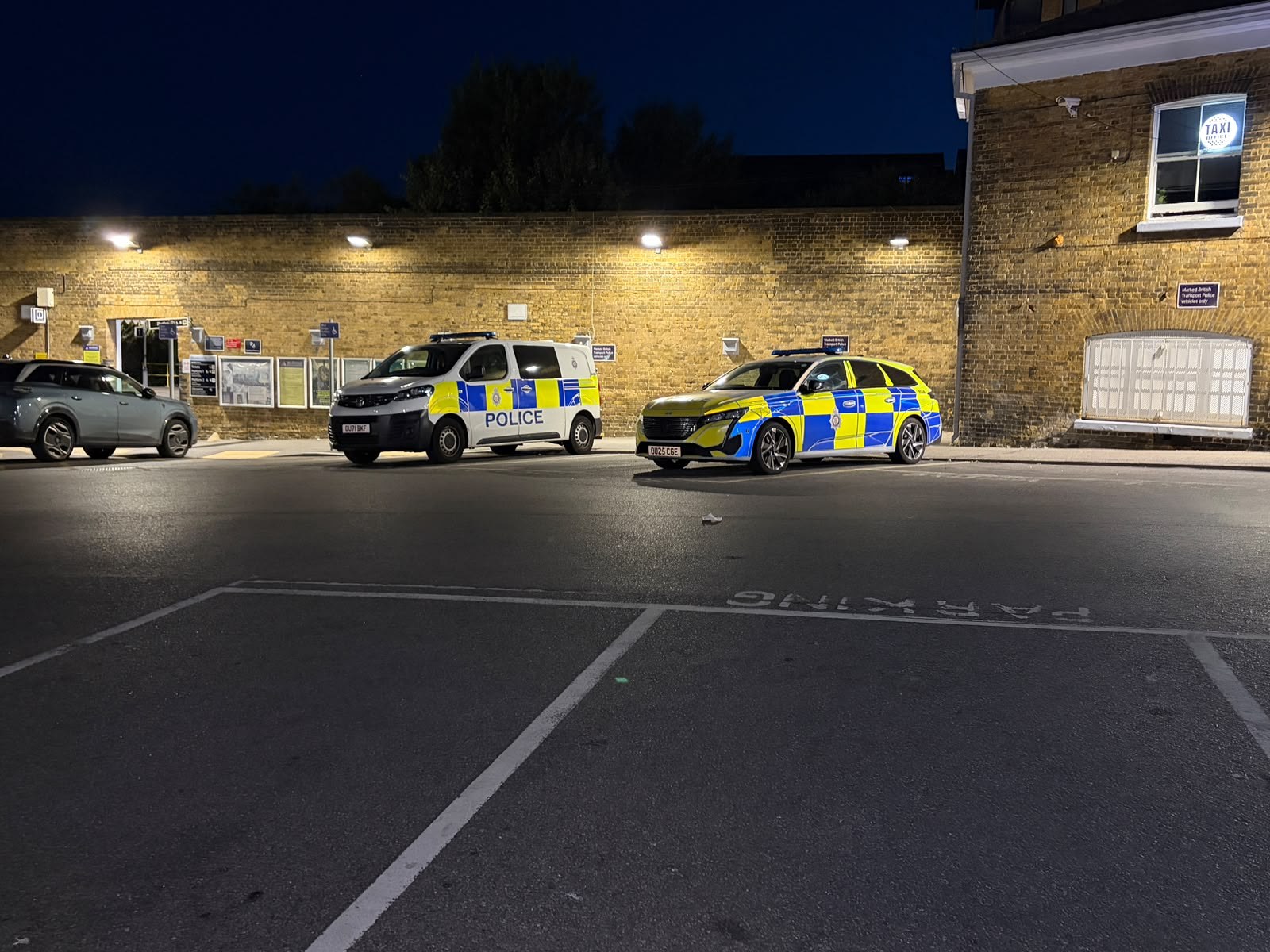

- There is no law requiring a mobile speed camera van to be visible, marked, or signposted — police can and do conceal them.
- Back in the late 2000s, we surveyed a trap near Bluewater in Kent where officers had driven around a housing estate and over a pavement to find the perfect blind spot.
- So if hiding is legal, what actually protects you when the NIP arrives? More than you might think.
Back in the late 2000s, we ran a network of camera scouts who surveyed new mobile speed trap sites across the UK and reported what they found.
One site stood out from all the others — and nearly two decades on, it still tells you everything you need to know about how mobile enforcement really works.
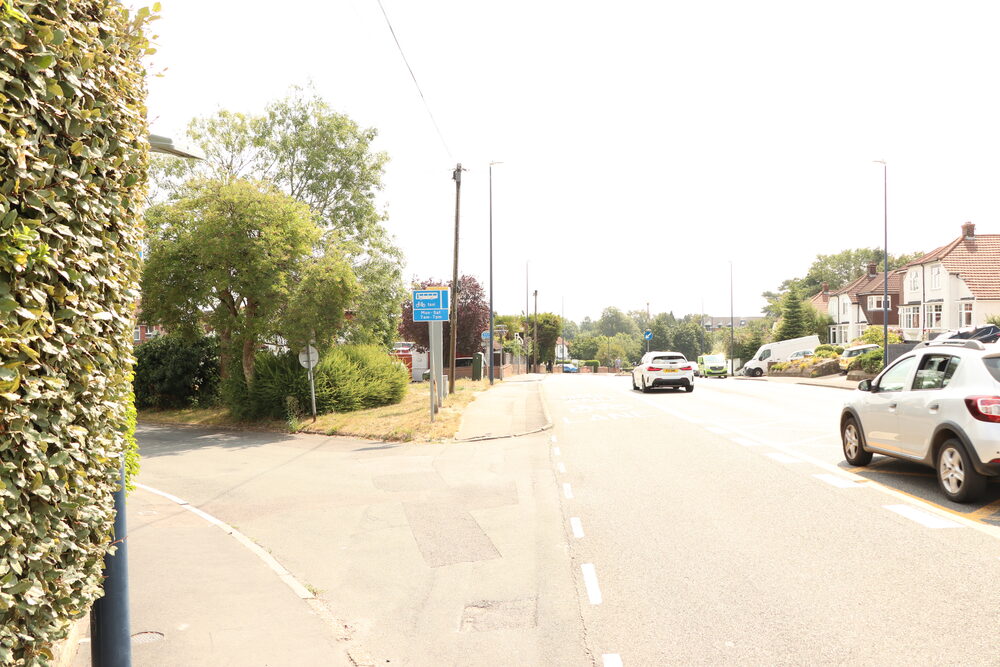
It sat on the B255, St Clements Way — the main road feeding the enormous Bluewater shopping centre in Kent. Tens of thousands of Drivers a day, many of them visitors who didn’t know the road.
Our scout went out to survey the position, and what he found was remarkable. To set up there, the operators had driven all the way around a housing estate and over a pavement — purely to sit in a spot where they could see approaching traffic before any Driver could realistically see them.
From one direction, the van was visible at a distance. From the Bluewater road itself, you couldn’t spot it until the moment you passed it. By then, the reading was taken.
Two roads’ worth of traffic, one carefully chosen blind spot.
Surely That Can’t Be Allowed?
Here’s the part that surprises most Motorists: it was, and it is.
There is a stubborn belief among British Drivers that speed camera vans must be visible, that warning signs must be posted, and that a ticket from a hidden van won’t stand. Every part of that belief is wrong.
No law requires a mobile camera van to be seen. Operators are free to park behind bushes, walls, and bridges, and forces have gone further still — Northamptonshire has trialled entirely unmarked vans, with no high-vis livery at all.
The warning signs you sometimes see near cameras? A courtesy and a deterrent, not a legal requirement. If no sign was posted, the ticket stands anyway.
The law cares about one thing: whether the equipment was approved, calibrated, and correctly operated. It is entirely indifferent to whether you had a sporting chance of spotting it.
READ MORE: The Flashing Speed Sign That Can’t Convict You — and the Officer Who Ticketed Drivers With It Anyway
The “Loopholes” That Don’t Exist
While we’re clearing out the mythology, two more favourites deserve a mention.
The famous “10 per cent plus 2mph” allowance — the idea that you’re safe at 35 in a 30 — is enforcement guidance that most forces choose to follow. It is not law. A force can prosecute at any speed above the limit if it wishes, and some set their thresholds tighter than others.
And the idea that a van parked illegally, or awkwardly, or on a verge somehow invalidates your ticket? It doesn’t. Where the van was parked and what you were recorded doing are two separate questions, and only one of them ends up in front of a Court.
Which raises the obvious question: if the van can hide, the signs are optional, and the thresholds are discretionary — what actually protects you?
Don’t miss a story: join the free DriveProtect newsletter — straight-talking updates for British Motorists.
Where the Real Protection Lies
The genuine weaknesses in a mobile camera prosecution have nothing to do with visibility — and everything to do with process.
The NIP must be served on the registered keeper within 14 days. The paperwork must name the right date, the right location, the right vehicle. The device must be type-approved and in calibration, and the operator trained to use it properly. A reading taken at an angle, through traffic, or at extreme range can be genuinely questionable.
These aren’t technicalities dreamed up on internet forums; they’re the legal requirements of a valid prosecution, and cases fail on them.
But spotting which requirement has been missed in your case is specialist work — and it’s exactly what most Drivers never get, because they assume the ticket is unanswerable and quietly pay up.
DriveProtect™ Members don’t have to guess. The moment a NIP arrives — from a hidden van, a fixed camera, or anything else — Members get direct access to a specialist Speeding Solicitor who reviews the case and advises them exactly what to respond, for a fraction of the normal cost of legal help.
The war on the British Motorist, straight to your inbox
Join the free newsletter — straight-talking updates on speed cameras, enforcement, and your rights as a Driver.
Join the NewsletterGot a NIP or points on your licence right now? See how DriveProtect Membership works — a specialist Speeding Solicitor in your corner from £25/month.