
- British police forces have run speed checks and driving enforcement from bicycles — a platform most Drivers never think to look for.
- In 2020, Avon and Somerset became the first UK force to send out plain-clothes officers with cameras mounted on their bikes, feeding footage into prosecutions and warning letters.
- The strategy behind it is openly admitted — and it tells you where enforcement is heading next.
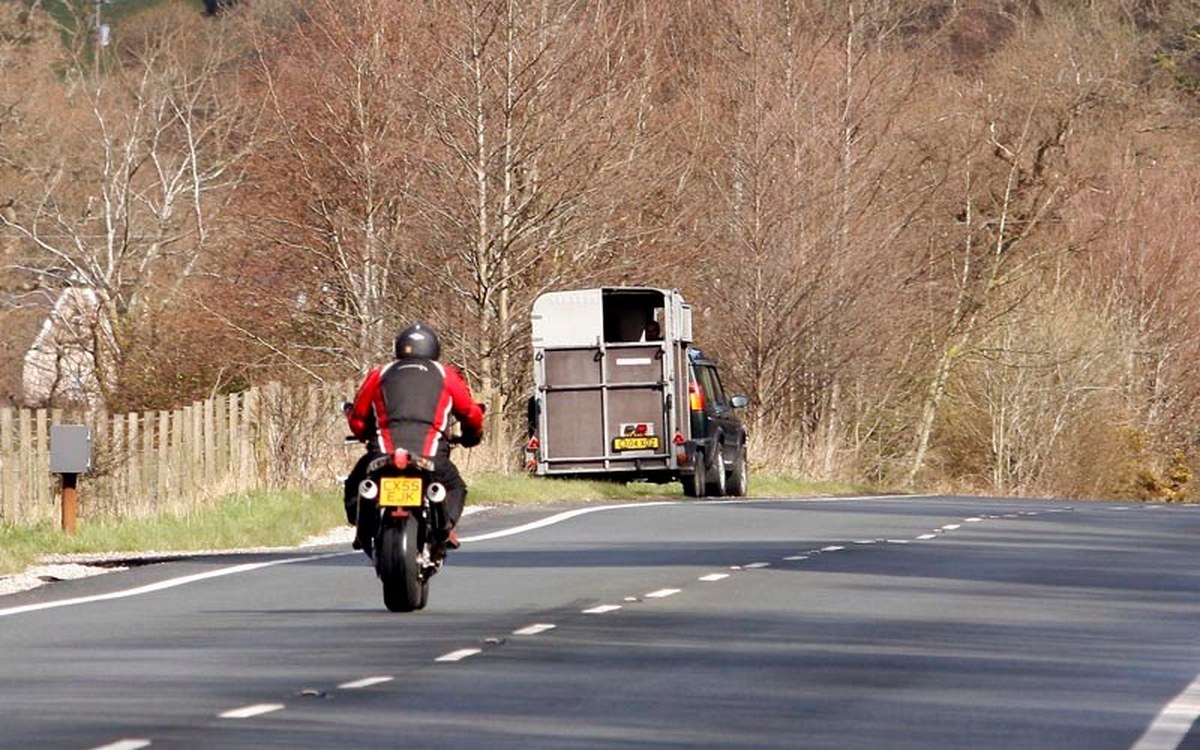
Years ago, we reported on a police officer running a mobile speed check from a rather unexpected platform: a mountain bike.
His reasoning was disarmingly honest. The bike suited the countryside lanes better than a traffic car, he explained — and besides, “drivers do not expect to see speed checks being carried out by a police cyclist”.
He was right. They didn’t then, and they don’t now.
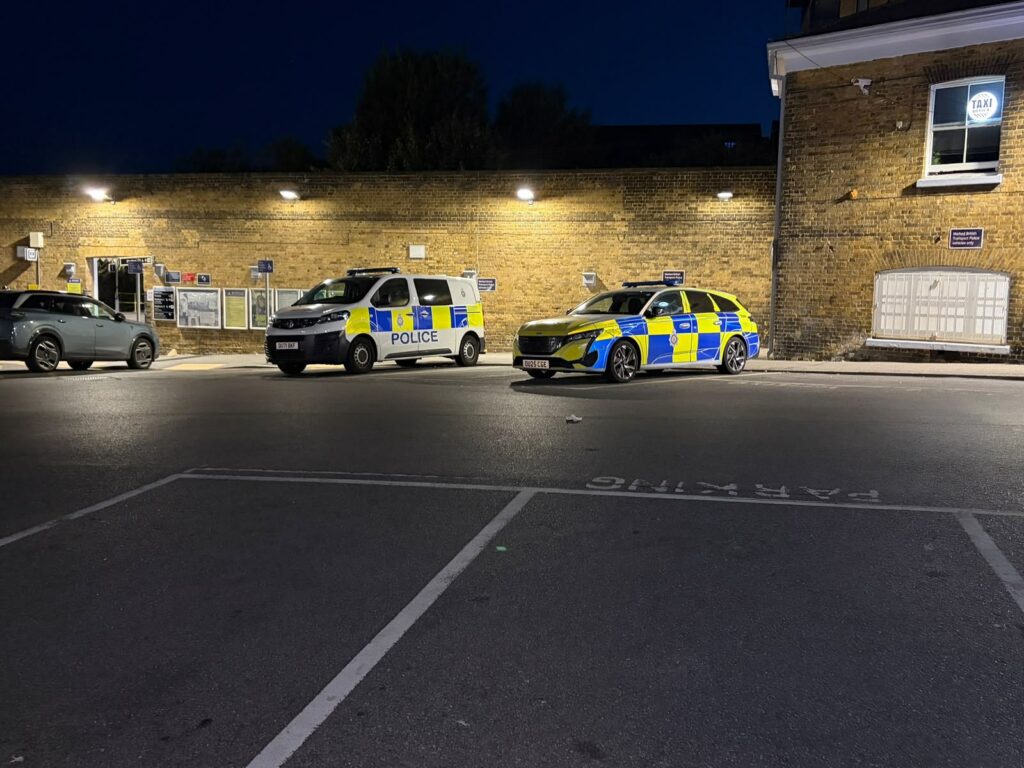
At the time it looked like a novelty — one officer, one bike, one snazzy crash helmet. Looking back, it was an early glimpse of a strategy that British policing has since embraced wholeheartedly: enforcement that doesn’t look like enforcement.
From One Bike to a National Tactic
Consider what came after.
From around 2016, forces including West Midlands and Greater Manchester began sending plain-clothes officers out on bicycles to catch Drivers overtaking too close. No uniform, no marked car — just an apparently ordinary cyclist, wearing a camera, with a patrol waiting up the road to pull over anyone who squeezed past them.
Then in 2020, Avon and Somerset went further still, becoming the first UK force to fit cameras to officers’ bicycles and deploy them in plain clothes on roads with a reputation for bad driving. The footage is uploaded and analysed, and it ends in one of two places — a warning letter, or a prosecution.
The officer behind that initiative summed up the philosophy in one line: “It could be a police officer, it might not be.”
That’s not an unfortunate side effect. That is the whole idea.
Why a Bike Beats a Van
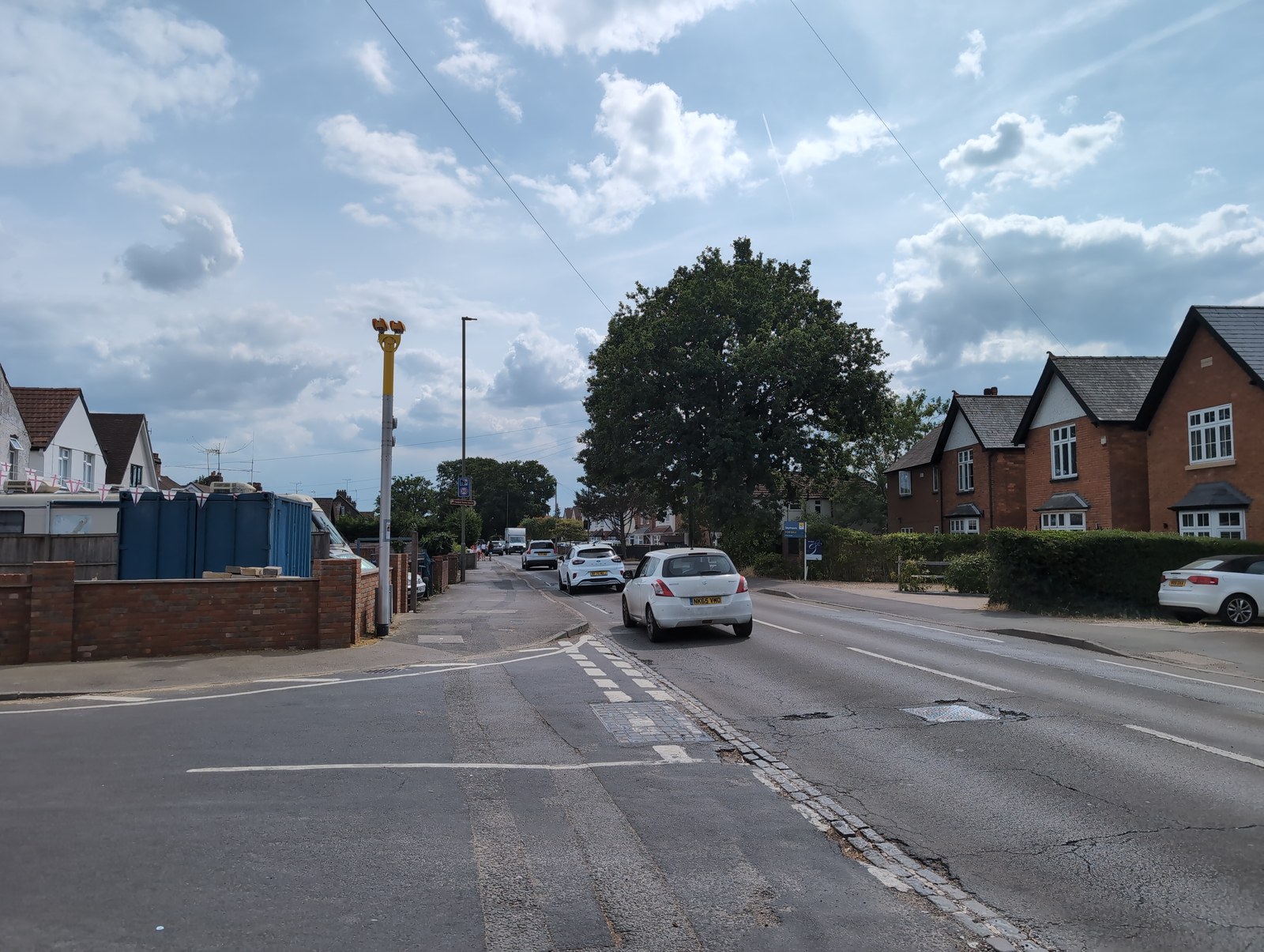
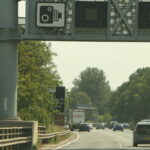
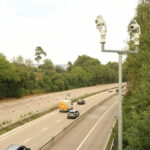
Think about what Drivers actually scan for on the road: camera vans, marked cars, the tell-tale grey box on a pole. A whole generation of Motorists has trained itself to spot the traditional shapes of enforcement.
A cyclist doesn’t register. A cyclist is part of the scenery — something to overtake, not something to slow down for.
And the equipment has never been better suited to the job. A modern laser speed gun produces a reading within around half a second of the trigger being pulled. By the time you’ve clocked that the figure at the roadside is holding something, the measurement is already made.
There’s no suggestion these officers hide themselves away — they don’t need to. The disguise is the ordinariness.
Don’t miss a story: join the free DriveProtect newsletter — straight-talking updates for British Motorists.
What This Means for You
The practical lesson is one every Driver should absorb: you cannot spot your way out of modern enforcement. The van behind the hedge, the unmarked car, the cyclist with a camera — the platforms multiply precisely because Drivers learn to recognise the old ones.
Which means the envelope on the doormat, not the roadside, is where your case really begins.
And that’s where the rules still work in your favour. However the evidence was gathered — van, bike, or body camera — the prosecution must meet the same standards: a valid NIP served in time, accurate paperwork, approved equipment properly operated, and footage that actually proves what it claims. Cases fail on every one of those points.
Knowing which point applies to yours is the specialist’s job. DriveProtect™ Members get direct access to a specialist Speeding Solicitor who reviews their case and advises them exactly what to respond, for a fraction of the normal cost of legal help.
The war on the British Motorist, straight to your inbox
Join the free newsletter — straight-talking updates on speed cameras, enforcement, and your rights as a Driver.
Got a NIP or points on your licence right now? See how DriveProtect Membership works — a specialist Speeding Solicitor in your corner from £25/month.