
- Community Speedwatch volunteers — ordinary residents with police-supplied speed devices — now operate across Britain, with 271 groups and 1,814 volunteers in the Thames Valley force area alone.
- Their readings can’t prosecute you directly, but your registration is traced through the DVLA and a warning letter follows — and repeat sightings bring the police to your door.
- And it’s not the first time untrained hands have held a speed gun with your number plate in the crosshairs.
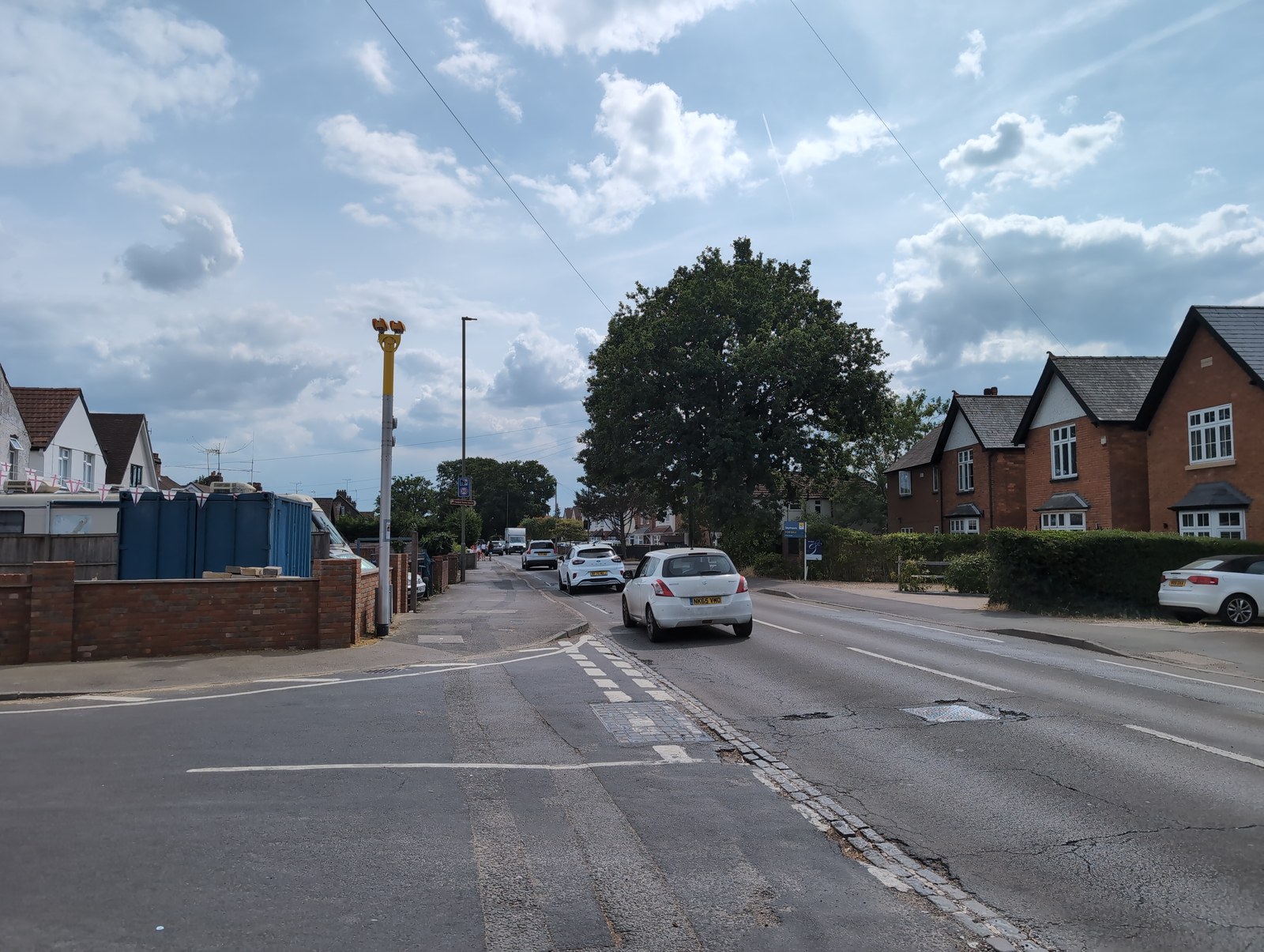
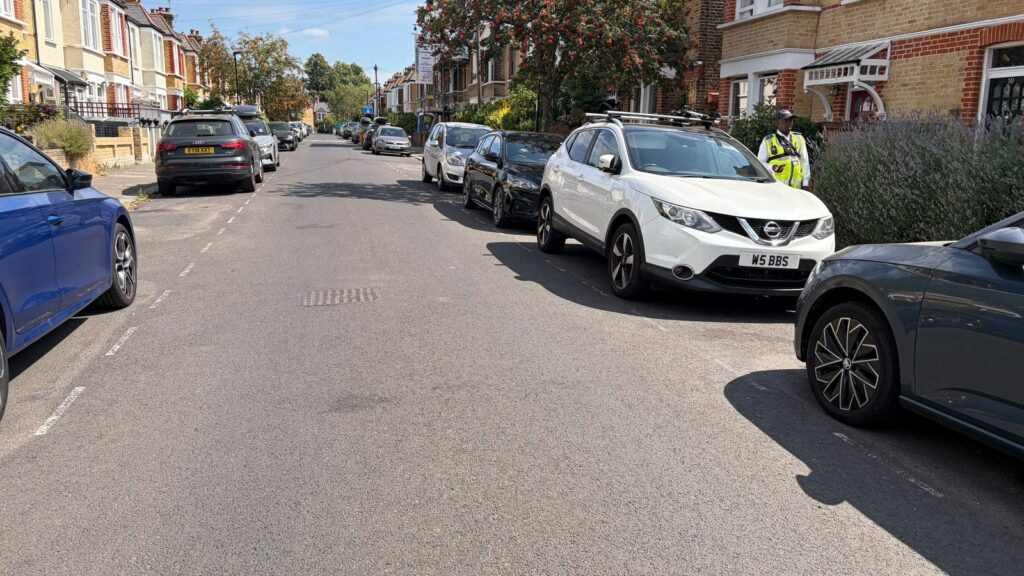
Picture a quiet village road on a weekday morning. Three residents in high-visibility jackets stand on the verge, and one of them is pointing a speed device at your car.
They are not police officers. They are volunteers — and in the Thames Valley force area alone there are 1,814 of them, organised into 271 active groups.
This is Community Speedwatch, and it operates across Britain with the full backing of the police.
We first reported on the scheme back when it was being rolled out nationally, after a Radio 5 Live discussion in which one contributor bluntly called it “vigilantism”. The presenter wondered aloud why the volunteers weren’t tackling burglaries instead.
The scheme survived the mockery. It grew.
What Actually Happens When They Clock You
Here’s the mechanism, and it’s worth knowing precisely.
A volunteer records your speed and registration. The details are checked against DVLA records to trace the registered keeper — that’s you — and a letter arrives explaining the risks of your driving.
One letter is where it ends for most people. But the system remembers. Get logged again and the letters escalate; persistent entries earn a visit from police officers, and forces state openly that Speedwatch data is used to target enforcement — meaning real officers, with real prosecuting powers, deployed to catch the Drivers the volunteers keep logging.
So no, a volunteer cannot put points on your licence. What a volunteer can do is put your registration into a system that decides where the people who can put points on your licence go next.
The Database Nobody Mentioned
If that pattern sounds familiar, it should. We’d seen it before.
Years earlier, a serving Police Constable — whose name we protected at the time — told us that PCSOs in Kent were being handed laser speed guns despite having no formal training in their use.
Because the operators were untrained, their readings couldn’t be used to prosecute anyone. That part was reassuring.
The rest was not. According to our source, the speeds and registration numbers were being stored on a central intelligence database — one that officers could consult whenever a car was stopped. A dodgy reading, taken by an untrained operator, possibly of the wrong car entirely, sitting silently on your record and colouring how the next officer dealt with you.
Untrained reading goes in; consequences come out later, through a different door. It is exactly the shape of the modern Speedwatch system — the reading that can’t convict you still follows you.
Don’t miss a story: join the free DriveProtect newsletter — straight-talking updates for British Motorists.
Why This Should Sharpen Your Attention
There’s a serious point beneath all this, and it’s about the quality of the evidence.
Speed measurement is genuinely difficult to do well. Laser devices in particular are sensitive to operator error — aim, angle, and distance all matter, and a poorly taken reading can be simply wrong. That’s precisely why the Courts demand trained operators and approved, calibrated devices before a reading can support a prosecution.
Community volunteers receive basic training, not police training. Their readings sit at the very bottom of the evidential ladder — which is why the law rightly refuses to convict on them.
But the letters, the visits, and the targeted enforcement they trigger are real. And if that targeted enforcement eventually produces a NIP with your name on it, the case against you deserves the same scrutiny as any other — the paperwork, the device, the operator, all of it.
That’s where DriveProtect™ comes in. Members get direct access to a specialist Speeding Solicitor who reviews their case and advises them exactly what to respond, for a fraction of the normal cost of legal help — whoever was holding the speed gun.
The war on the British Motorist, straight to your inbox
Join the free newsletter — straight-talking updates on speed cameras, enforcement, and your rights as a Driver.
Got a NIP or points on your licence right now? See how DriveProtect Membership works — a specialist Speeding Solicitor in your corner from £25/month.