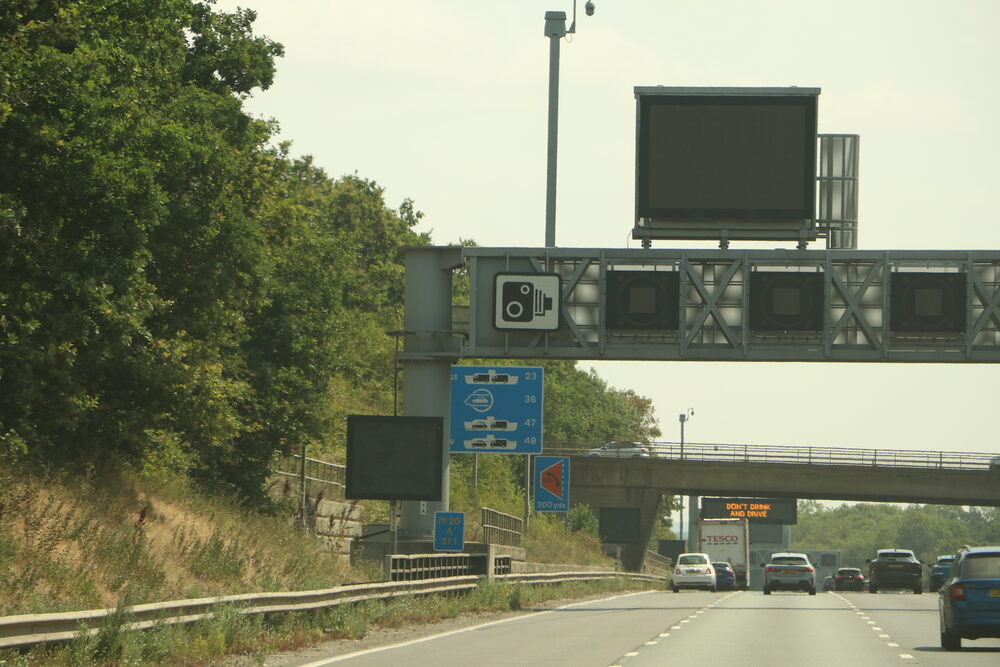

- From April 2028, electric cars will be taxed at 3p for every mile driven, and plug-in hybrids at 1.5p — on top of ordinary road tax.
- Your mileage will be declared to the DVLA, paid for up front, and checked against your odometer at the MOT.
- It’s the first time in history Britain has taxed private Drivers by the mile — and the real question is where it stops.
For years, “pay-per-mile” was the rumour that never quite arrived — floated, denied, floated again, always somewhere over the horizon.
In the Autumn Budget of November 2025, it arrived. Chancellor Rachel Reeves announced that from April 2028, Britain will do something no government here has ever done before: charge private Motorists a tax on every single mile they drive.
And in July 2026, after a consultation that drew more than 5,000 responses, the final plans were confirmed. This is no longer a proposal. It’s coming.
Who Pays, and How Much
The new charge is called Electric Vehicle Excise Duty — eVED — and, for now, it applies to electric and plug-in hybrid cars.
Fully electric cars will pay 3p per mile. Plug-in hybrids pay 1.5p, on the logic that they still pay some fuel duty at the pump. Hydrogen cars are charged at the electric rate. Electric vans, buses, coaches, motorcycles and HGVs escape at launch.
Crucially, this lands on top of ordinary road tax, not instead of it. A typical Driver covering 8,500 to 10,000 miles a year is looking at roughly £255 to £300 extra annually — and the rates rise with inflation from 2029-30 onwards.
The Treasury expects around £1.2 billion a year from the scheme. The official justification is straightforward: fuel duty raises about £25 billion a year, and every petrol car that leaves the road takes its contribution with it. Somebody, the argument runs, has to replace it.
Which is a perfectly reasonable argument — right up until you notice what kind of machinery is being built to collect it.
READ MORE: The Government Has a Written Plan to Cut Motorways to 50mph — Here’s What Would Trigger It
How They’ll Count Your Miles
To its credit, the Government has ruled out the option Motorists feared most. There will be no GPS tracker, no black box, no record of where or when you drove. The scheme runs on one number: your odometer.
When you renew your vehicle tax, you’ll declare an estimated mileage for the year ahead and pay the eVED on it — up front, or in instalments. At the end of the year, your actual mileage is reconciled against your declaration, and once the car is old enough for an MOT, the recorded odometer reading is used to verify what you told the DVLA.
In other words, every electric car in Britain will soon carry a running meter that the taxman reads once a year.
Even the consultation responses saw the obvious pressure point: officials were warned that some Drivers will be tempted to tamper with odometers to shrink the bill — adding a brand-new fraud risk to the used car market as a side effect.
Don’t miss a story: join the free DriveProtect newsletter — straight-talking updates for British Motorists.
The Precedent Is the Point
Here is the fact worth sitting with: once this launches, the principle that the state may tax a private Driver by the mile will be established in British law for the first time.
Today it applies to electric cars, at 3p — deliberately set at around half the 6p or so per mile a petrol Driver pays in fuel duty, so that going electric still looks like a bargain.
But the petrol fleet is shrinking by design, and every Driver who switches moves from the old tax to the new one. Year by year, the share of Britain’s cars sitting on the per-mile meter only grows. And both the rate and the scope of eVED are Budget decisions — revisable by any Chancellor, in any autumn, without building anything new at all.
Ministers insist this is simply about replacing lost fuel duty. Perhaps it is. The machinery being installed, though, doesn’t care what it was built for.
What This Means for You
If you drive electric, the practical advice is simple: know your annual mileage cold before 2028, because you’ll be declaring it, paying on it, and being checked against it — and honest mistakes in a system of declarations and reconciliations are how ordinary Motorists end up in disputes with officialdom.
And it’s one more reminder of the direction of travel: more schemes, more declarations, more cameras, more ways for a perfectly ordinary Driver to end up with a penalty, a NIP, or points they don’t deserve.
When that day comes, DriveProtect™ Members don’t face it alone. Members get direct access to a specialist Speeding Solicitor who reviews their case and advises them exactly what to respond, for a fraction of the normal cost of legal help.
The war on the British Motorist, straight to your inbox
Join the free newsletter — straight-talking updates on speed cameras, enforcement, and your rights as a Driver.
Join the NewsletterGot a NIP or points on your licence right now? See how DriveProtect Membership works — a specialist Speeding Solicitor in your corner from £25/month.