
- One London council banked nearly £12 million from two Low Traffic Neighbourhoods in 2023 — while five in six of its fines were being overturned.
- In March 2026, the High Court ruled six LTNs unlawful for the bluntest reason imaginable: their main purpose was raising revenue.
- And if you’ve ever paid an LTN fine, that ruling should interest you a great deal.
For years, Motorists who complained that Low Traffic Neighbourhoods were money-making machines were told they were imagining it. The schemes were about clean air, safe streets, healthy neighbourhoods — anything, in fact, except the fines.
Then, on 4 March 2026, a High Court judge read the paperwork.
Mr Justice Pepperall ruled that six LTNs in Croydon were unlawful, quashing the orders behind them — because the schemes’ main purpose was raising revenue, something the Road Traffic Regulation Act 1984 does not permit. The council scrapped all six and now faces refunding fines worth over £7 million.
The Drivers weren’t imagining it. It was in the numbers all along.
The Fine Machine
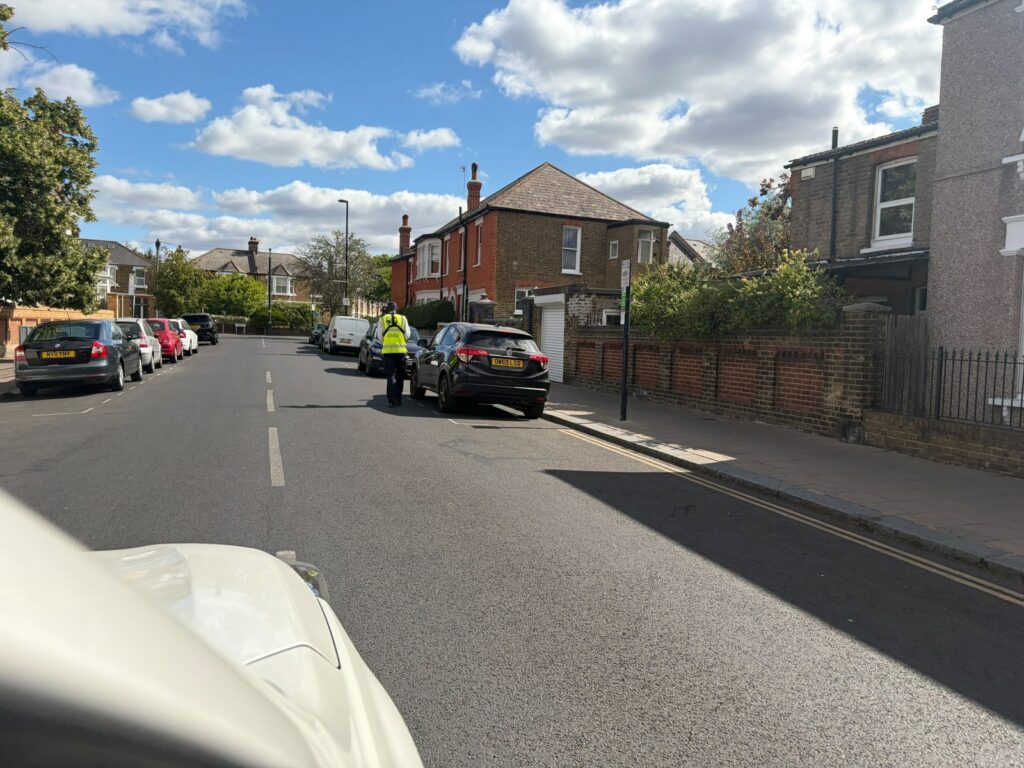
Consider Hammersmith & Fulham, whose South Fulham “clean air neighbourhood” arrived in July 2020: a residential grid closed to through traffic, enforced not by bollards but by cameras.
Figures the council was eventually forced to release — after refusing a freedom of information request, then apologising — showed it banking up to £1.5 million a month across its two south Fulham LTNs, and nearly £12 million in 2023 alone.
The same data revealed something even more remarkable: for the eastern LTN, around five in every six penalty charges were overturned. The council cancelled 266,400 fines in 2023 against just 52,000 paid — meaning the overwhelming majority went to Motorists who were entitled to be there in the first place.
And Fulham is no outlier. Lambeth issued 183,192 LTN fines in a single year, worth around £22 million. One camera in Southwark took more than £5 million in twelve months on its own. By 2022, analysis by the TaxPayers’ Alliance put the potential national haul from LTN fines at up to £100 million since the schemes began.
Then the Courts Started Reading the Small Print
The first crack came in May 2025, when residents in West Dulwich took Lambeth to the High Court and won: their LTN was ruled unlawful because the council had failed to properly consider residents’ objections before installing it. Over £1 million in fines from that one scheme became refundable.
Croydon was the earthquake. Six schemes, quashed in one judgment, on the finding that the point of them was the money. Around 45,000 penalty notices issued between March 2024 and March 2026 — some £7.3 million — now stand to be repaid.
Note, though, how the repaying is going. Councils have generally not sent the money back automatically, even where they hold every fined Driver’s details. Instead, Motorists must find a claim form and apply — and months after these rulings, only small fractions of the unlawful fines had been returned.
Extracting the money took a camera and a fortnight. Getting it back takes a court order and a queue.
Don’t miss a story: join the free DriveProtect newsletter — straight-talking updates for British Motorists.
What an LTN Fine Actually Is — and Why You Should Never Just Pay
An LTN penalty is not a police matter. It’s a civil penalty charge notice from the council — up to £160 in London — issued to the registered keeper via DVLA records after an ANPR camera reads your plate. There are no penalty points, and no criminal record.
Which means the fine’s power rests entirely on the paperwork being right: a lawful scheme, correct signage, a valid contravention, and you not falling within an exemption. The Fulham data shows what happens when Drivers actually check — five in six fines overturned — and the court rulings show that sometimes the entire scheme underneath the fine is built on sand.
The lesson travels well beyond LTNs. Whether it’s a council camera or a speed camera, the single most expensive habit a British Motorist can have is assuming the authorities got it right and quietly paying up.
On the criminal side — where NIPs, points and bans live — that habit costs licences. It’s exactly what DriveProtect™ Members never have to do alone: from the moment a NIP arrives, Members get direct access to a specialist Speeding Solicitor who reviews the case and advises them exactly what to respond, for a fraction of the normal cost of legal help.
The war on the British Motorist, straight to your inbox
Join the free newsletter — straight-talking updates on speed cameras, enforcement, and your rights as a Driver.
Join the NewsletterGot a NIP or points on your licence right now? See how DriveProtect Membership works — a specialist Speeding Solicitor in your corner from £25/month.