
- Most driving offences apply “on a road or other public place” — and the Courts treat a store car park as a public place.
- That means offences like drink driving and careless driving can be committed between the trolley bays, on land the public merely visits.
- But the same law that reaches onto private land binds the people enforcing on it — and their paperwork fails more often than you’d believe.
Years ago, our Members kept asking us a deceptively simple question: if a road is privately owned, how can there be a legal speed limit on it?
So we put it to Matthew, our specialist Speeding Solicitor. His answer surprised almost everyone who read it.
A privately owned road, he explained, can still be a “public place” in the eyes of the law. And most driving offences don’t require a road at all — they can be committed on a road or in any public place.
Then came the line that stuck: you can be done under road traffic law in a car park at B&Q.
He wasn’t joking, and the case law backs him to the hilt.
Why the Car Park Counts
The logic runs like this. A supermarket car park is private land — the store owns every inch of it. But the public has open access to it, and that access is exactly what the law cares about. Public access makes it a public place, and a public place is where offences like drink driving, drug driving, and careless driving can all be committed.
It’s why the morning-after Driver who feels safe pottering to the supermarket is anything but. The tarmac may be Tesco’s; the offence is exactly the same.
But notice something important: the definition cuts finely, and prosecutors do get it wrong. A car park is usually a public place — yet it is usually not a “road” in law. In one case, a Driver was convicted over an incident in a railway station car park after prosecutors charged the offence as happening on a road, with no mention of a public place. On appeal, the Court ruled a car park is not a road, and the convictions were quashed.
One imprecise word in the paperwork, and the whole case collapsed. Hold that thought.
READ MORE: Fined £195 for Letting a Police Van Pass — While a Fake Policeman Who Terrified a Driver Got £620
The Ticket That Didn’t Survive a Letter
Because paperwork failures aren’t a one-way street — and we learned that first-hand.
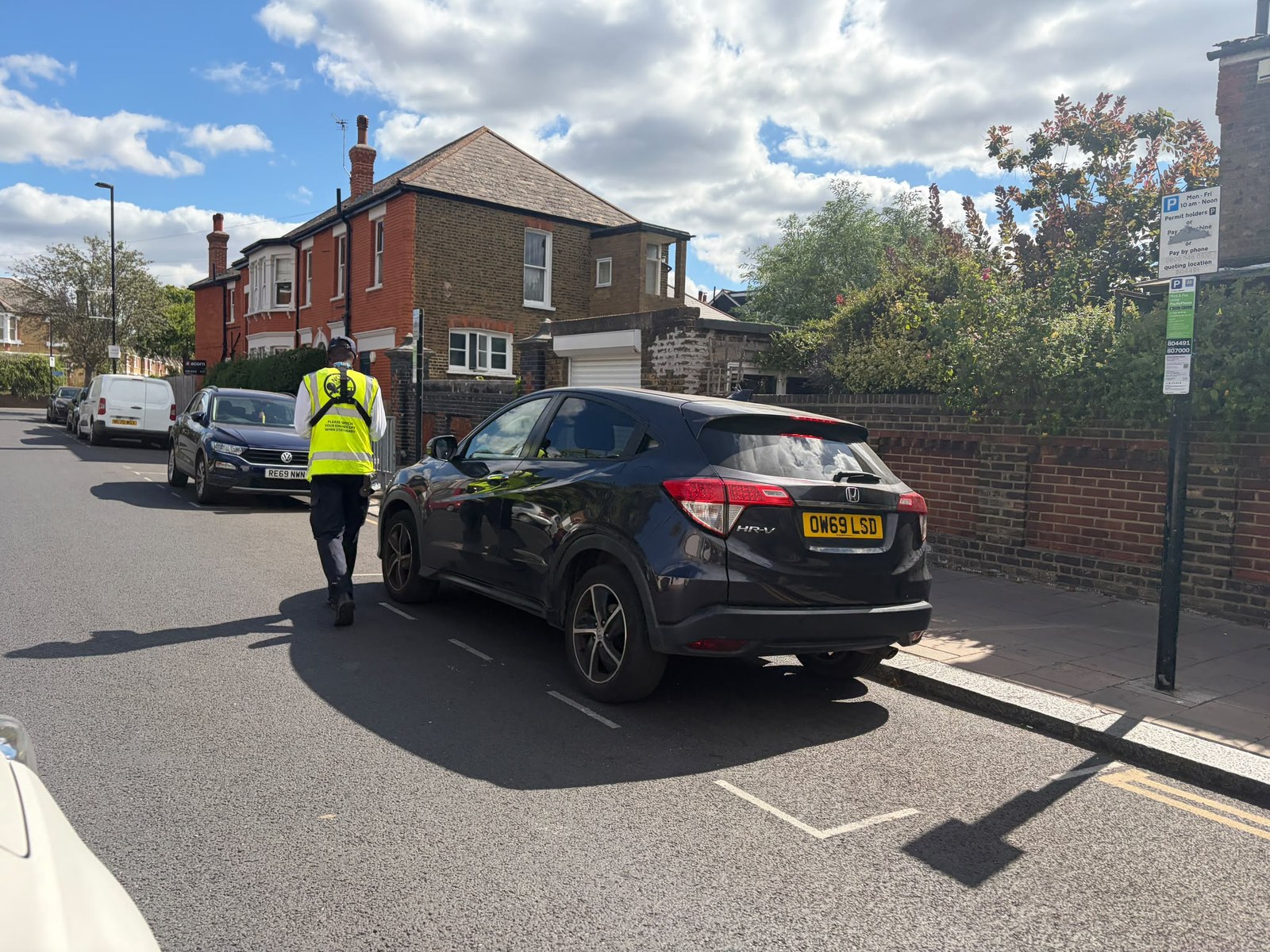
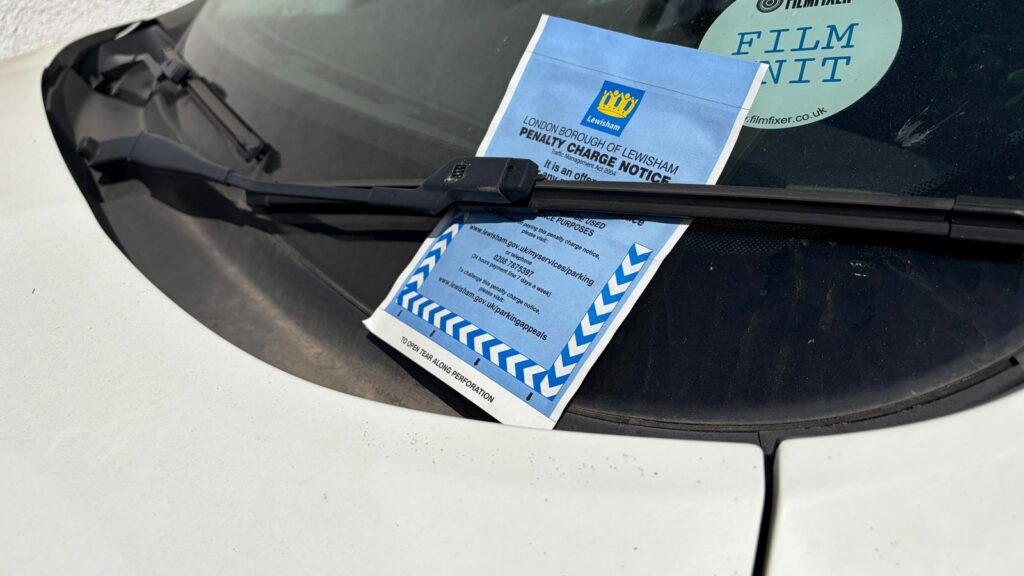
Our founder once came out of his favourite food shop to find a parking ticket under the wiper. He’d parked carelessly, he’d admit that much, and his first instinct was simply to pay up and get on with his day — which is precisely what the system counts on.
Instead, he checked the contravention printed on the ticket against the procedural rules the council had to follow, set out his challenge in a short letter, and posted it off.
The ticket was cancelled. Not reduced — cancelled, in writing.
One Driver, one letter, one enforcement body that hadn’t dotted every i. It’s a small story, but it points at a very large truth.
Don’t miss a story: join the free DriveProtect newsletter — straight-talking updates for British Motorists.
The Rules Have Changed — In Your Favour
Since those days, the law around parking enforcement has been overhauled, and mostly to the Driver’s benefit.
Clamping on private land has been banned in England and Wales since 2012. A “ticket” from a private car park company isn’t a fine at all — it’s a contractual invoice, and the operator can only chase the registered keeper if it has met every condition of a strict statutory checklist, including serving its notice within 14 days. Miss one condition and keeper liability evaporates.
And the appeal figures speak for themselves: around 56 per cent of council ticket appeals that reach the independent tribunal succeed, and roughly four in ten appeals against private operators are upheld. The appeals are free.
So both of Matthew’s lessons stand. The law follows you onto private land — and it binds the enforcers every bit as tightly. The Driver who checks the paperwork, on a parking ticket or a NIP, is playing a very different game from the one who assumes it’s all correct.
When the paperwork in question is a NIP, DriveProtect™ Members don’t check it alone: they get direct access to a specialist Speeding Solicitor who reviews the case and advises them exactly what to respond, for a fraction of the normal cost of legal help.
The war on the British Motorist, straight to your inbox
Join the free newsletter — straight-talking updates on speed cameras, enforcement, and your rights as a Driver.
Join the NewsletterGot a NIP or points on your licence right now? See how DriveProtect Membership works — a specialist Speeding Solicitor in your corner from £25/month.