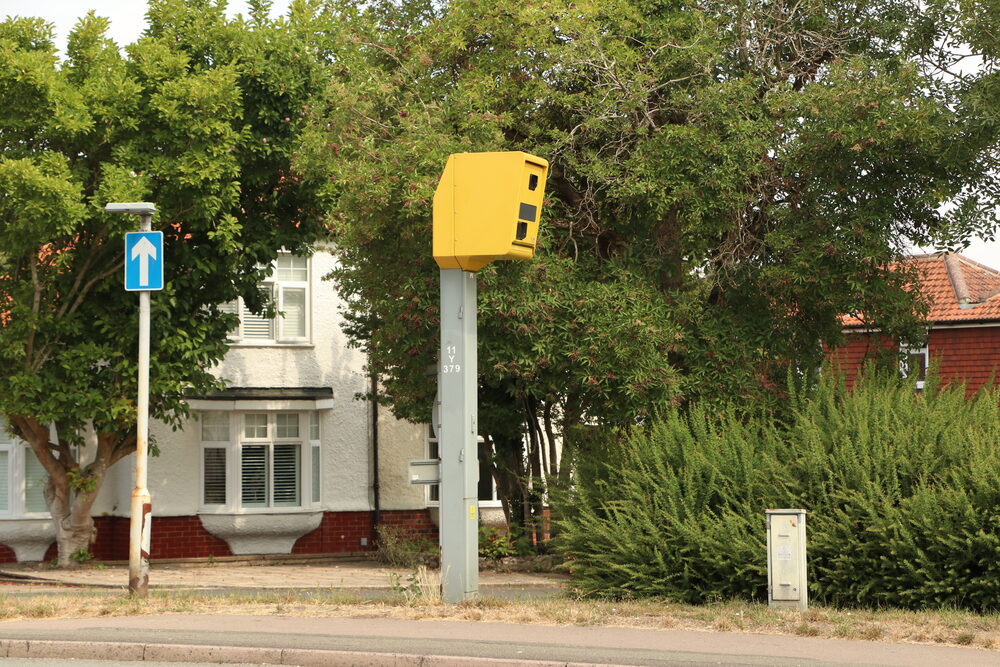

- For years, a “loophole” has circulated among British Motorists claiming Gatso cameras give false readings below freezing — and that a frosty morning is a get-out-of-jail card.
- There’s no evidence behind it, and betting your licence on it is a mistake.
- But the real ways Gatso prosecutions collapse are better than the myth — and they’ve been quietly winning cases for decades.
Every walk of life has its folklore, and British Motorists have theirs.
One of the most persistent legends goes like this: when the temperature drops below zero, the timing circuitry inside a Gatso slows down, the camera miscalculates how far you travelled between its two flashes, and the speed reading comes out too high. Get flashed on a frosty morning, the story goes, and you can argue the camera simply cannot be trusted below freezing.
It’s a lovely theory. We’ve never seen a shred of evidence for it, and we’d strongly advise you not to stake your licence on a piece of pub wisdom.
Here’s the thing, though: the people passing this legend around have the right instinct. Gatso evidence can be challenged — and cases have genuinely been thrown out. Just not because of the weather.
How a Gatso Actually Catches You
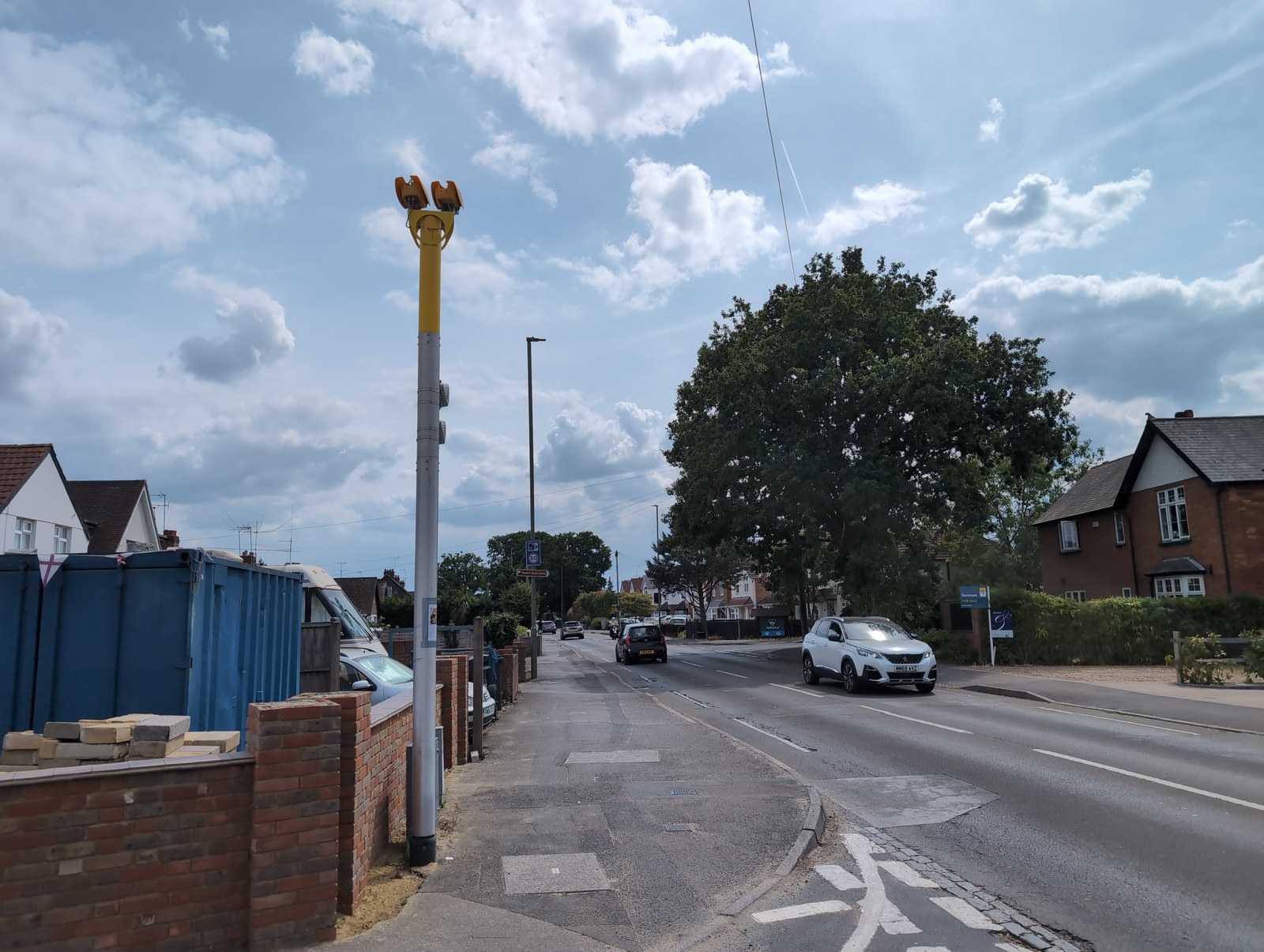
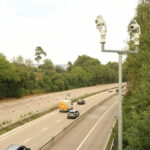
The yellow boxes have been on British roads since 1992, and the mechanics haven’t fundamentally changed. A rear-facing radar clocks your speed as you pass. If you’re over the threshold, the camera takes two photographs, half a second apart.
Then comes the part the folklore half-remembers: the secondary check. Using the white lines painted on the road — or another fixed reference — the distance your car travelled between those two photographs is measured, and your speed calculated the old-fashioned way. Distance over time.
That check exists because the radar alone is not trusted. Radar readings can be corrupted by reflections, confused by curtain-sided lorries, or muddled when several vehicles are in shot. The two-photograph calculation is what turns a radar blip into evidence that stands up in Court.
Which means every Gatso prosecution rests on a chain of things all being right at once. And chains have links.
Where the Chain Actually Breaks
Start with the paperwork. You are entitled to request the photographic evidence against you — and the camera’s calibration certificate. These are not favours; they are the foundation of the prosecution’s case. And Drivers have been acquitted when that paperwork could not be produced in Court.
Then there’s the law governing the device itself. Under Section 20 of the Road Traffic Offenders Act 1988, a camera’s measurements are only admissible if the device is type approved and operated within the conditions of that approval. A camera used outside those conditions isn’t producing weak evidence — it’s producing evidence that may not be admissible at all.
Then the photographs themselves. Do the two frames actually support the alleged speed when checked against the markings? Is it clear which vehicle triggered the camera? Is the NIP that followed valid, accurate and served in time?
None of this is a magic incantation, and most of the time the prosecution’s chain holds. But unlike the freezing-weather legend, these are real questions with real legal force — and they are exactly the questions a specialist runs through on every camera case, every time.
Don’t miss a story: join the free DriveProtect newsletter — straight-talking updates for British Motorists.
Why the Myths Survive
Legends like the winter loophole survive because they contain a grain of truth: the system fining millions of Motorists is not infallible, and everyone quietly suspects it.
The danger is what the myths do to Drivers’ behaviour. Some people hear “the camera can’t be trusted” and pay the fine anyway, assuming nothing can be done. Others stand up in Court armed with pub wisdom and get flattened. Both throw away winnable positions — one through defeatism, the other through amateur enthusiasm.
The middle path is the one that works: treat every camera allegation as evidence to be tested, and have someone who knows precisely how to test it.
If a Gatso Has Flashed You
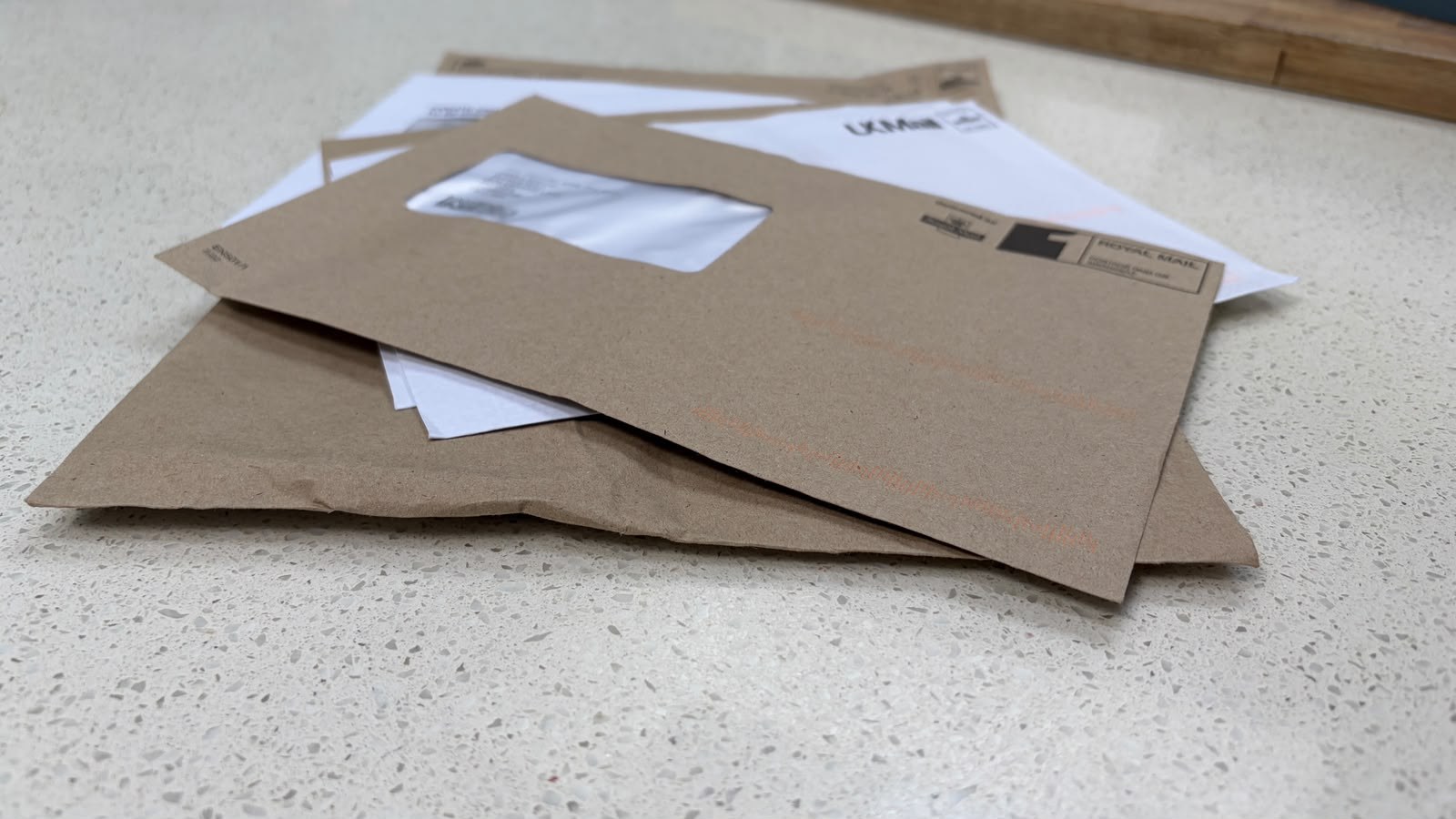
If a NIP is sitting on your kitchen table right now, forget the thermometer. The questions that matter are about calibration, type approval, the photographs and the paperwork — and the answers decide cases long before anyone mentions the weather.
DriveProtect™ Members get those questions asked properly. From the moment a NIP arrives, Members have direct access to a specialist Speeding Solicitor who reviews the evidence and advises them exactly what to respond, for a fraction of the normal cost of legal help.
The war on the British Motorist, straight to your inbox
Join the free newsletter — straight-talking updates on speed cameras, enforcement, and your rights as a Driver.
Join the NewsletterGot a NIP or points on your licence right now? See how DriveProtect Membership works — a specialist Speeding Solicitor in your corner from £25/month.