
- At 107mph in a 70, a Driver is well past the threshold where police guidance points to a Court summons — with a ban firmly on the table.
- One of our Members, Steve, was stopped at exactly that speed on the M25 — and drove away with nothing more than a warning.
- What happened in that conversation at the roadside is a lesson for every Motorist who ever sees blue lights in the mirror.
On paper, Steve’s evening should have ended with a summons.
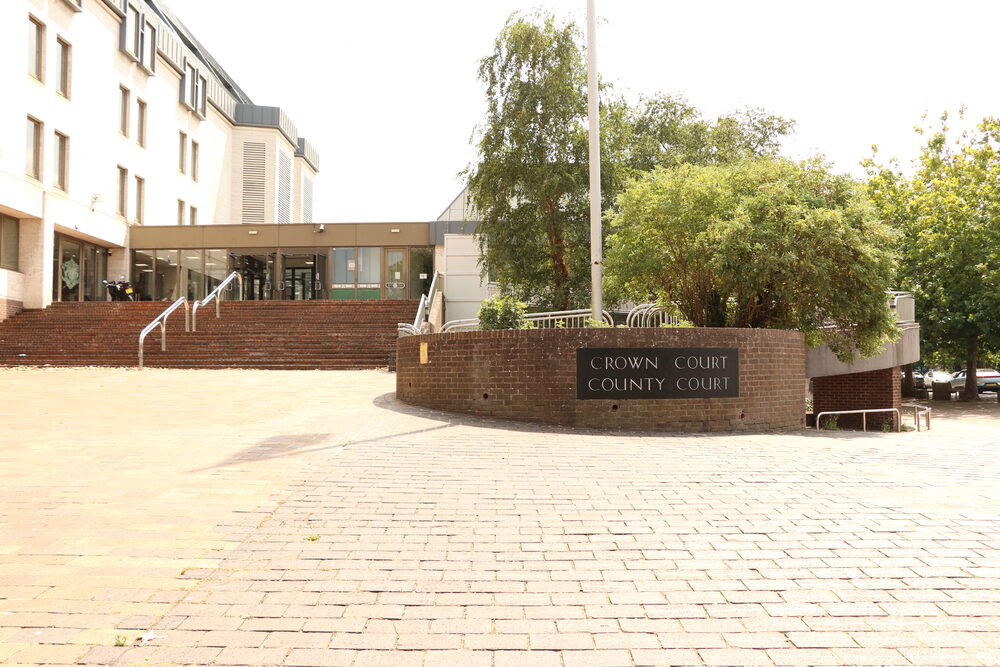
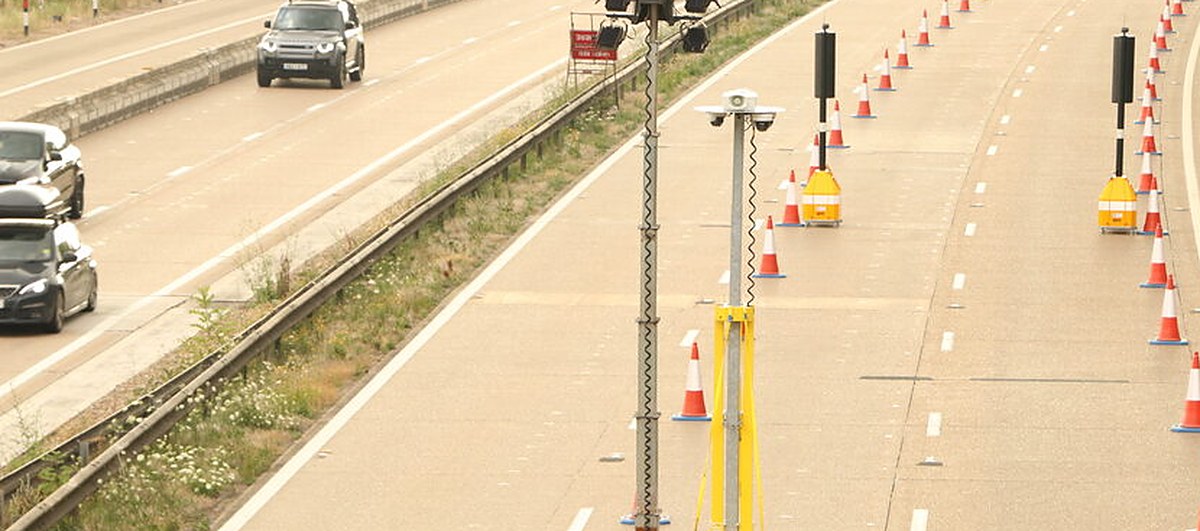
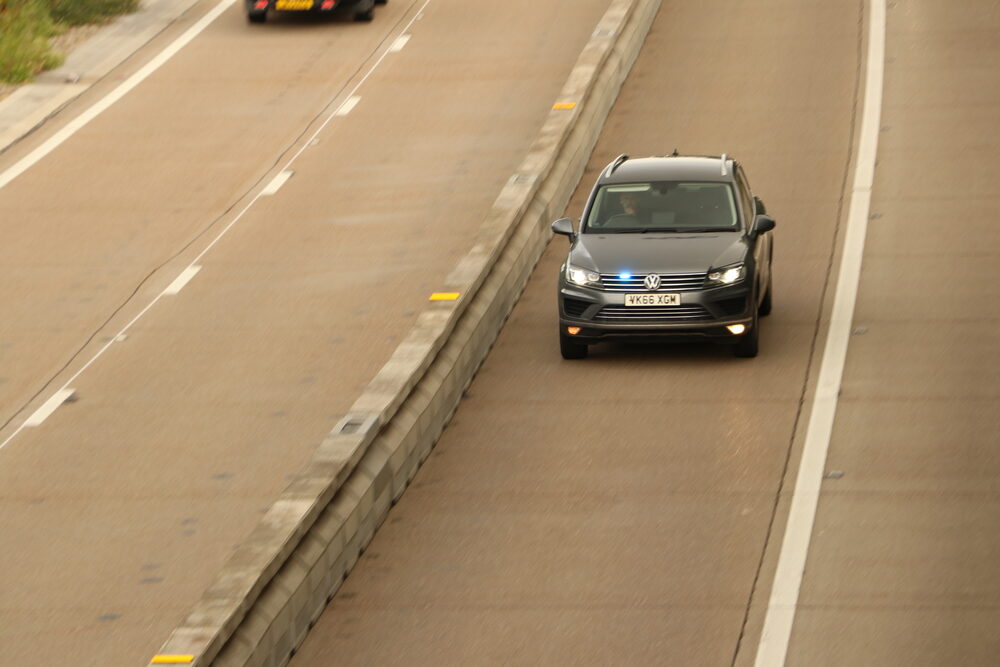
He was stopped on the M25, at night with light traffic, doing 107mph — a speed that sits comfortably beyond the point where national police guidance stops talking about fixed penalties and starts talking about the Magistrates’ Court, where disqualification is a live possibility.
Instead, after a brief and civil conversation, the officer told him he wouldn’t pursue it on this occasion, advised him to watch his speed, and sent him on his way.
No ticket, no points, no Court date. So what happened?
The Conversation That Decided Everything
Steve, by his own account, did two things right. He stayed calm and friendly, acknowledging the situation with a rueful remark rather than an argument. And crucially, at no point did he flatly declare “I was speeding” — he expressed surprise and regret without making a formal admission.
That distinction matters more than most Drivers realise. As we covered in our guide to the NPCC enforcement thresholds, an officer at the roadside holds a menu of outcomes in their hands: no action, a verbal warning, a ticket, or a summons. The law fixes none of them in advance — the officer’s discretion does.
And discretion is exercised by a human being, in a conversation. An aggressive, argumentative Driver gives an officer every reason to reach for the harshest option on the menu; a courteous one gives them room to reach for the mildest. That isn’t a loophole or a trick — it’s simply how discretion works, everywhere it exists.
Why “Never Admit It” Still Applies
Here’s the part of Steve’s story we’d underline twice: staying pleasant and staying silent about guilt are not opposites. You can do both at once, and you should.
If the officer had decided to proceed, anything Steve said at the roadside could have followed him into the case — and a clear admission of the offence would have severely hampered any defence his Solicitor might later have built around the evidence or the procedure.
So the principle is simple. Be polite, be human, express whatever genuine regret you feel about the situation — and stop short of the words “I was speeding”. Courtesy shapes the officer’s choice; silence on guilt protects yours.
One more thing Steve’s story is not: a promise. He was stopped at night, on a quiet motorway, by an officer minded to be generous. Another night, another officer, and the identical conversation ends with a summons — which is why nobody should walk away from this article planning to charm their way out of 107mph.
Don’t miss a story: join the free DriveProtect newsletter — straight-talking updates for British Motorists.
When the Conversation Doesn’t Go Your Way
For every Steve, there are thousands of Drivers whose stop ends with a Traffic Offence Report, a NIP in the post, or a summons — and that’s the moment the roadside phase ends and the paperwork phase begins. It’s also the moment when what you do next matters far more than what you said at the kerb.
DriveProtect™ Members hand that phase to a professional: direct access to a specialist Speeding Solicitor who reviews the case and advises them exactly what to respond, for a fraction of the normal cost of legal help.
The war on the British Motorist, straight to your inbox
Join the free newsletter — straight-talking updates on speed cameras, enforcement, and your rights as a Driver.
Join the NewsletterGot a NIP or points on your licence right now? See how DriveProtect Membership works — a specialist Speeding Solicitor in your corner from £25/month.