
- In 2015, rain was a factor in the deaths or serious injuries of 2,918 people on British roads — around 30 times more than snow.
- Driving too fast for the conditions played a part in one in nine road deaths that year — much of it at speeds the cameras would wave through.
- Which raises an awkward question about what, exactly, speed enforcement is measuring.
Here is a number that should reframe how you think about every rainy drive: in 2015, according to figures behind Highways England’s own safety campaign, 2,918 people were killed or seriously injured on British roads while it was raining.
Snow — the weather we all fear, the weather that closes schools and leads the news — killed 2 people and seriously injured 95 that same year.
Rain is around thirty times more dangerous. It just doesn’t feel like it, because in Britain rain is wallpaper. We drive through it on autopilot, and a third of Drivers cheerfully admit they don’t slow down for it at all.
The roads keep the score regardless. Government casualty data for 2019 shows a slippery road due to weather played a part in an average of four deaths or serious injuries every single day.
The Limit Is a Maximum, Not a Promise
Here’s the legal point most Drivers have never been told: the number on the sign is the maximum permitted in good conditions — it has never been an assurance that the speed is safe.
The Highway Code is blunt about why. On a wet road, your stopping distance at least doubles. The 60mph that’s perfectly reasonable on a dry Tuesday afternoon can be genuinely lethal in a downpour — and driving too fast for the conditions was identified as a factor in one in nine British road deaths in 2015.
Read that again: not “driving over the limit”. Driving too fast for the conditions. A big share of the most dangerous driving on Britain’s roads is happening at completely legal speeds.
And that’s where the enforcement system has an embarrassing blind spot.
The Machine That Measures Numbers, Not Danger
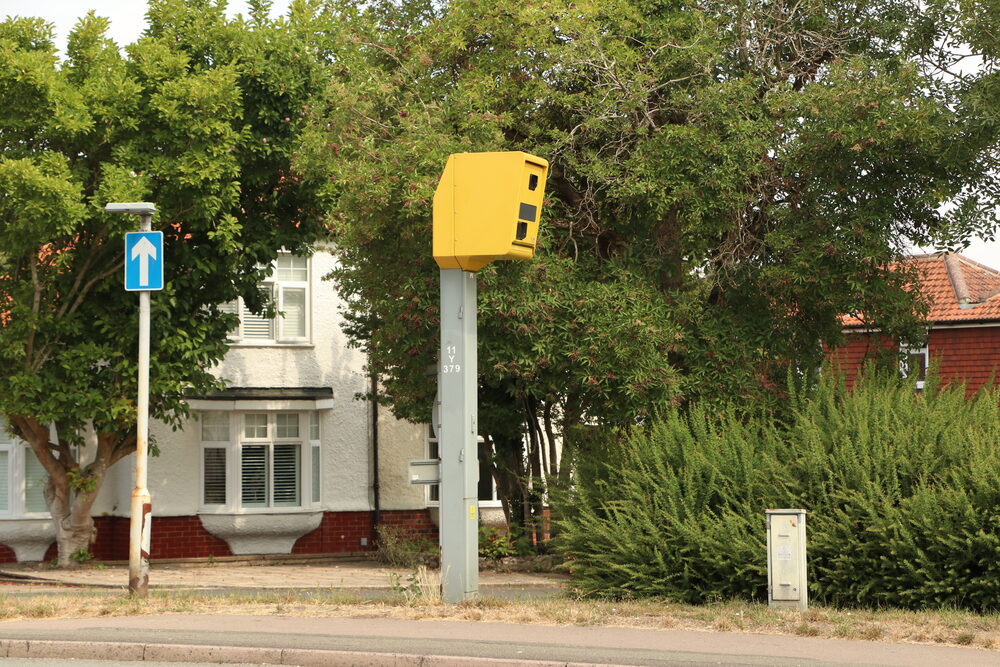
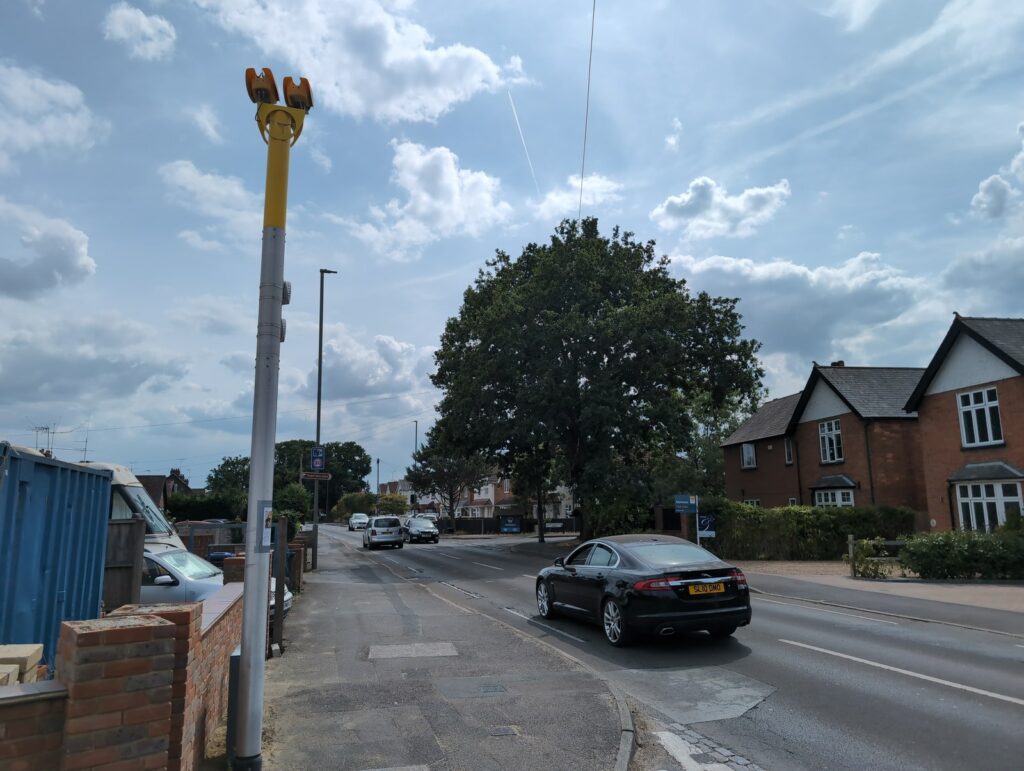
A speed camera does one thing: it compares your speed to a number. It has no idea whether the road is bone dry or streaming with surface water. It cannot tell the difference between 58mph on a clear summer evening and 58mph through standing water with visibility down to fifty metres.
One of those Drivers may be among the most dangerous people on the road that day. The camera waves them both through.
Meanwhile the Driver doing 64mph on a dry, empty dual carriageway gets a NIP.
There’s a practical wrinkle too: the laser equipment in mobile enforcement doesn’t love bad weather. Heavy rain cuts its effective range and degrades the photographic evidence — operators need a clear sight of your number plate. Speed enforcement is, by its nature, a fair-weather business. Ask yourself when you last saw a camera van out in a downpour, on exactly the days the casualty figures say the roads are at their deadliest.
If enforcement tracked danger rather than numbers, you’d expect the opposite.
Don’t miss a story: join the free DriveProtect newsletter — straight-talking updates for British Motorists.
So No — It Is Not OK To Speed in the Rain
Let’s be clear about what this article is not saying. It is not saying speed doesn’t matter. In the wet, speed matters more than ever — the physics of doubled stopping distances doesn’t care what the sign says, and the casualty figures above are the proof.
What it is saying is that the system fining millions of Motorists each year is not measuring danger. It’s measuring a number, in conditions convenient to the equipment — and the gap between those two things is where public trust in speed enforcement goes to die.
Drive to the conditions. Slow down when the heavens open, whatever the limit says. And keep a clear eye on what the enforcement industry is actually doing — because it isn’t always what the “safety” branding claims.
When the Number Catches You Anyway
Of course, none of this stops the NIP arriving. A camera’s reading on a dry, safe, empty road counts exactly the same as one taken anywhere else — and thousands of otherwise careful Drivers pick one up every week.
When that envelope lands, what you respond — and what you sign — matters more than most people realise.
DriveProtect™ Members get it looked at properly. From the moment a NIP arrives, Members have direct access to a specialist Speeding Solicitor who reviews the case and advises them exactly what to respond, for a fraction of the normal cost of legal help.
The war on the British Motorist, straight to your inbox
Join the free newsletter — straight-talking updates on speed cameras, enforcement, and your rights as a Driver.
Join the NewsletterGot a NIP or points on your licence right now? See how DriveProtect Membership works — a specialist Speeding Solicitor in your corner from £25/month.