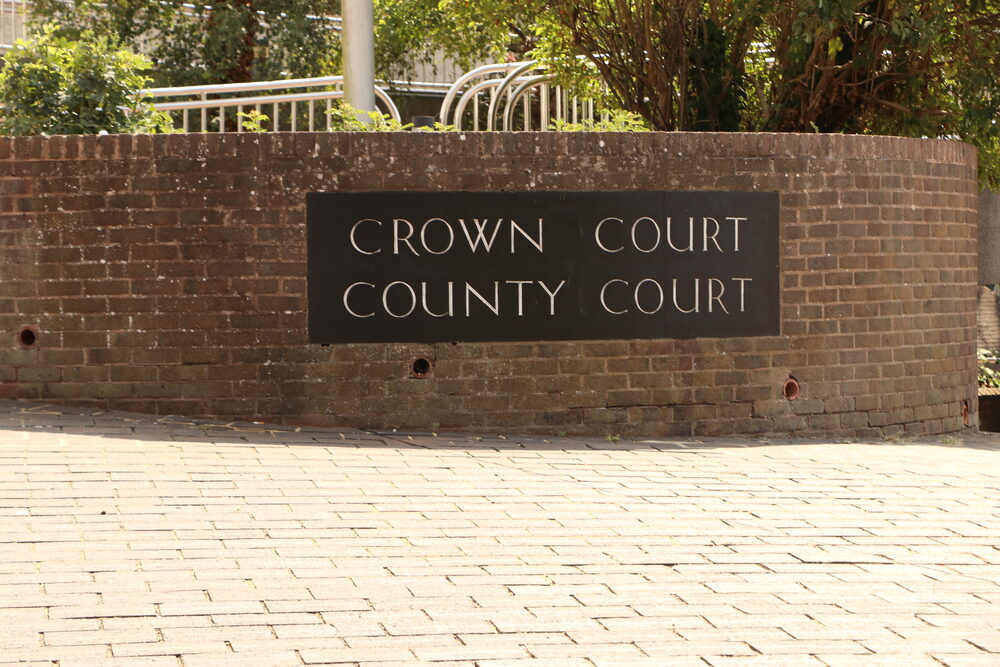

- One of our Members walked into Court over an M6 speeding allegation braced for a driving ban of up to a year.
- The police officer’s sworn account of the weather that day was contradicted by official Met Office records his defence had already pulled.
- And once a Court catches a witness getting one thing wrong, the rest of their evidence starts to come apart.
One of our Members went to Court over a speeding allegation on the M6 believing his situation was, in his own words, seemingly hopeless.
He was braced for a driving ban of up to a year.
Then the officer in the witness box started describing the weather.
The Detail Nobody Expected to Decide the Case
The officer’s evidence painted a vivid picture: how long it had taken to catch our Member up, and how poor the conditions were while he did it. Taken together, it was the portrait of a dangerous Driver — exactly the impression that makes Magistrates reach for the heavier end of the sentencing scale.
What the officer didn’t know was that the defence had already checked.
Before the hearing, our Member’s legal team had obtained the official Met Office records for that stretch of road, on that day, at that time — and they told a very different story about the conditions to the one being given under oath.
When the records were put to the Court, the officer’s account of the weather didn’t survive contact with them. And in a Courtroom, that matters far beyond the weather.
Why One Crack Sinks the Whole Statement
Here is the principle that decided the case, and it’s one every Motorist should know: when a witness is shown to be wrong about one part of their evidence, the credibility of everything else they’ve said can be called into question.
Courts assess witnesses by testing their accounts against objective records — documents, data, photographs — created at the time. It’s precisely because memory is fallible and impressions can drift that the objective record carries such weight.
Police officers generally start with the benefit of the doubt in a Magistrates’ Court. But that benefit lasts exactly as long as their account matches the paperwork. The moment an official record contradicts the sworn version of events, the presumption of reliability is gone — and with it, very often, the prosecution’s case.
Our Member kept his licence. The seemingly hopeless case wasn’t.
The Seat Belt Buckle That Defied Gravity
It wasn’t a one-off, either. In another case, a Member of ours was in Court for speeding when the officer’s statement added an extra detail: the Driver, he said, hadn’t been wearing his seat belt. He knew this, he explained under questioning, because he could see the shiny metal buckle near the Driver’s shoulder as the car approached.
One small problem. The defence produced photographic and video evidence showing that when that seat belt isn’t worn, the buckle doesn’t sit anywhere near the shoulder — it drops to the bottom of the seat, where gravity puts it.
The detail that was meant to paint our Member as a careless Driver instead demolished the statement it appeared in. The case was thrown out.
Don’t miss a story: join the free DriveProtect newsletter — straight-talking updates for British Motorists.
A Statement Is Evidence — and Evidence Gets Tested
Notice what won both of these cases. It wasn’t a clever loophole or a sympathetic bench, but preparation: the defence anticipating what would be said, and arriving with the objective record that would test it.
That’s the part almost nobody does alone. Most Drivers read an officer’s statement, assume it will be believed word for word, and plead guilty to whatever it describes. The statement becomes the verdict without ever being examined.
But an officer’s statement is not the final word on what happened. It is one account — given by a human being, about a stressful few minutes, often written up well after the event — and it can be checked against weather records, timings, photographs and the road itself.
If it’s checked. And whether it gets checked usually comes down to who is in your corner.
DriveProtect™ Members don’t face that question alone. The moment a NIP or a Court date arrives, Members get direct access to a specialist Speeding Solicitor who reviews the case and advises them exactly what to respond, for a fraction of the normal cost of legal help.
The war on the British Motorist, straight to your inbox
Join the free newsletter — straight-talking updates on speed cameras, enforcement, and your rights as a Driver.
Join the NewsletterGot a NIP or points on your licence right now? See how DriveProtect Membership works — a specialist Speeding Solicitor in your corner from £25/month.