
- Immigration minister Robert Jenrick was banned from driving for six months and ordered to pay £1,639 after being clocked at 68mph on the M1.
- The limit on that stretch wasn’t 70 — a temporary 40mph restriction was in force, one he told the Court he never saw.
- And the way his case was decided tells you something bigger about how speeding prosecutions in Britain now work.
Back in August 2022, government minister Robert Jenrick appeared on Radio 4’s Any Questions at Wakefield Cathedral, then got in his Land Rover and drove home.
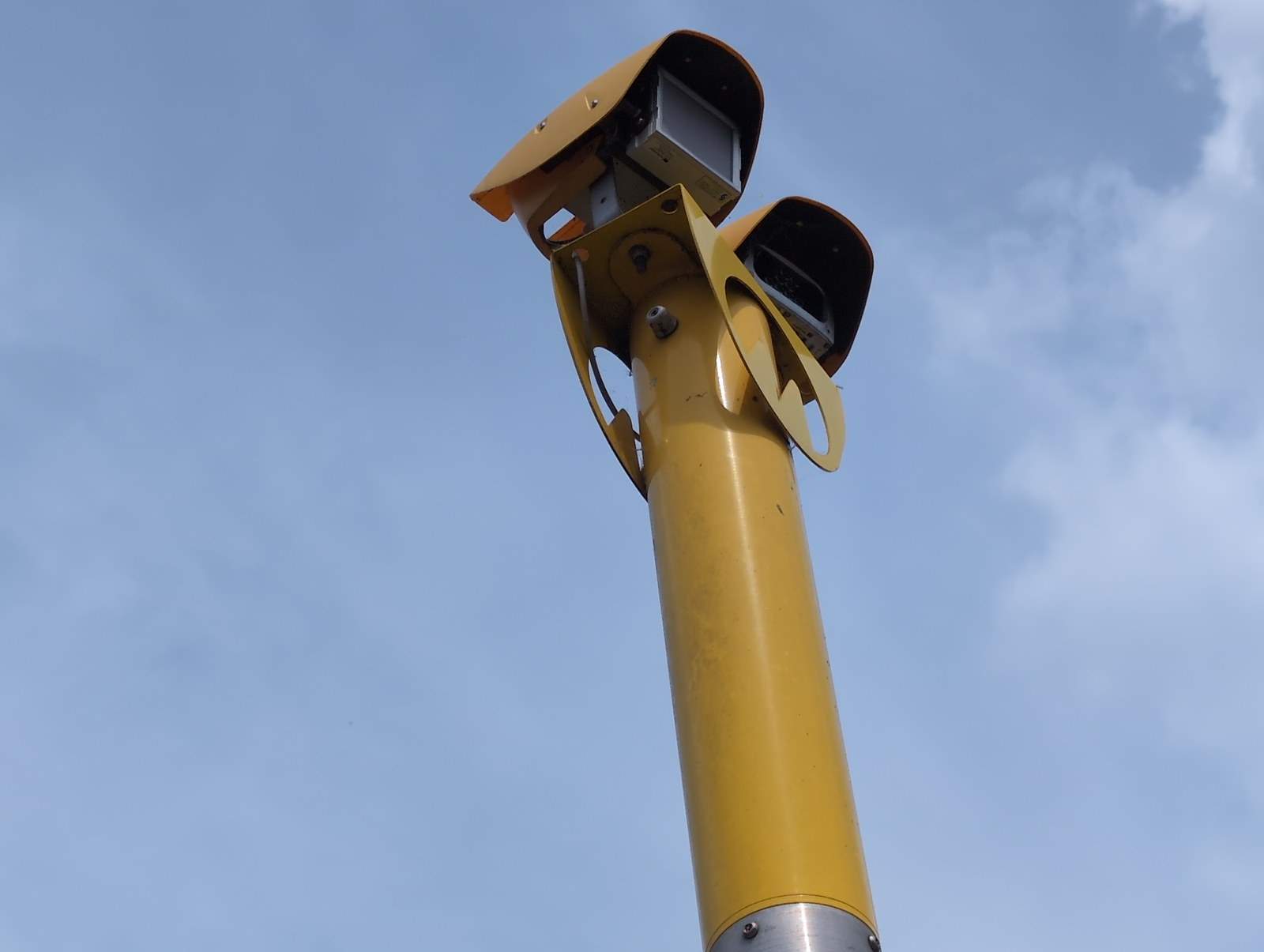
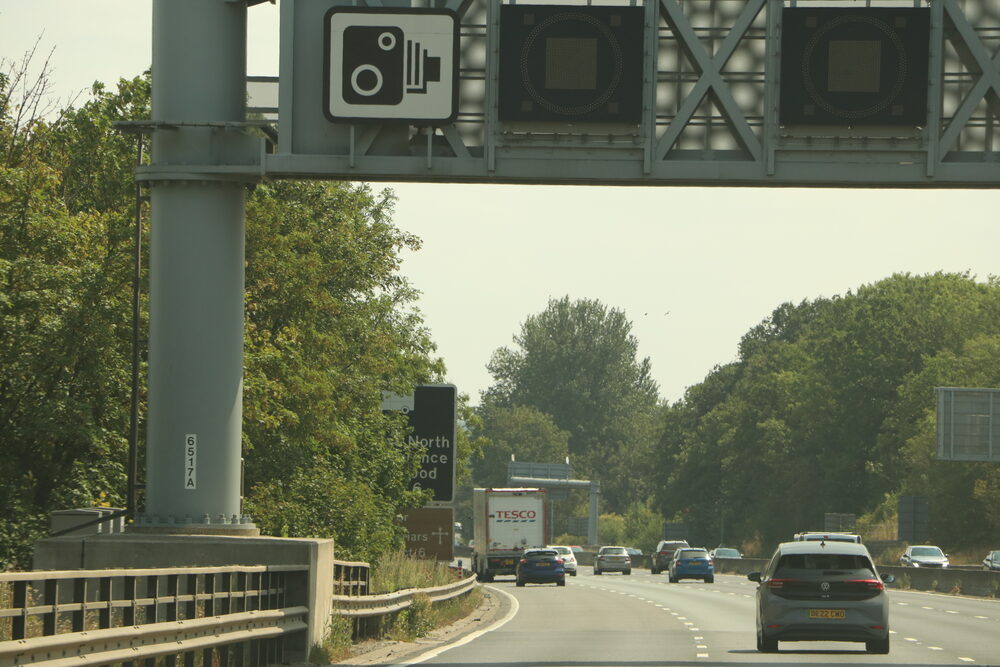
At around 11.30pm, heading south on the M1 between junctions 18 and 17 in Northamptonshire, a speed camera clocked him at 68mph.
On almost any night, on almost any motorway, that’s two miles an hour inside the limit. But on this stretch, on this night, a temporary 40mph restriction was in force — which made the minister 28mph over.
The result, handed down in 2023: a six-month driving ban and a bill of £1,639 — a £1,107 fine, a £442 victim surcharge and £90 in costs.
“I Didn’t See It”
Jenrick’s explanation was simple, and it will sound familiar to thousands of Motorists. “I was driving below the national speed limit on an empty motorway, with no road works in sight,” he said. “I now understand that a variable speed limit had been applied, which I didn’t see. I wouldn’t knowingly exceed the speed limit.”
He wasn’t claiming innocence — he pleaded guilty in writing and apologised. He was making the point that late at night, on a quiet motorway, a temporary restriction can be genuinely easy to miss.
The Court’s answer was the answer Courts almost always give: not seeing the limit is not a defence. Speeding is what lawyers call a strict liability offence. Your intentions, your honesty, even your genuine ignorance of a changed limit — none of it prevents a conviction. At best, it’s mitigation.
If a serving government minister with every resource available to him couldn’t make that argument stick, consider what happens to an ordinary Driver making it alone.
Justice Behind Closed Doors
There’s a second detail in this case worth dwelling on — not the speed, but the process.
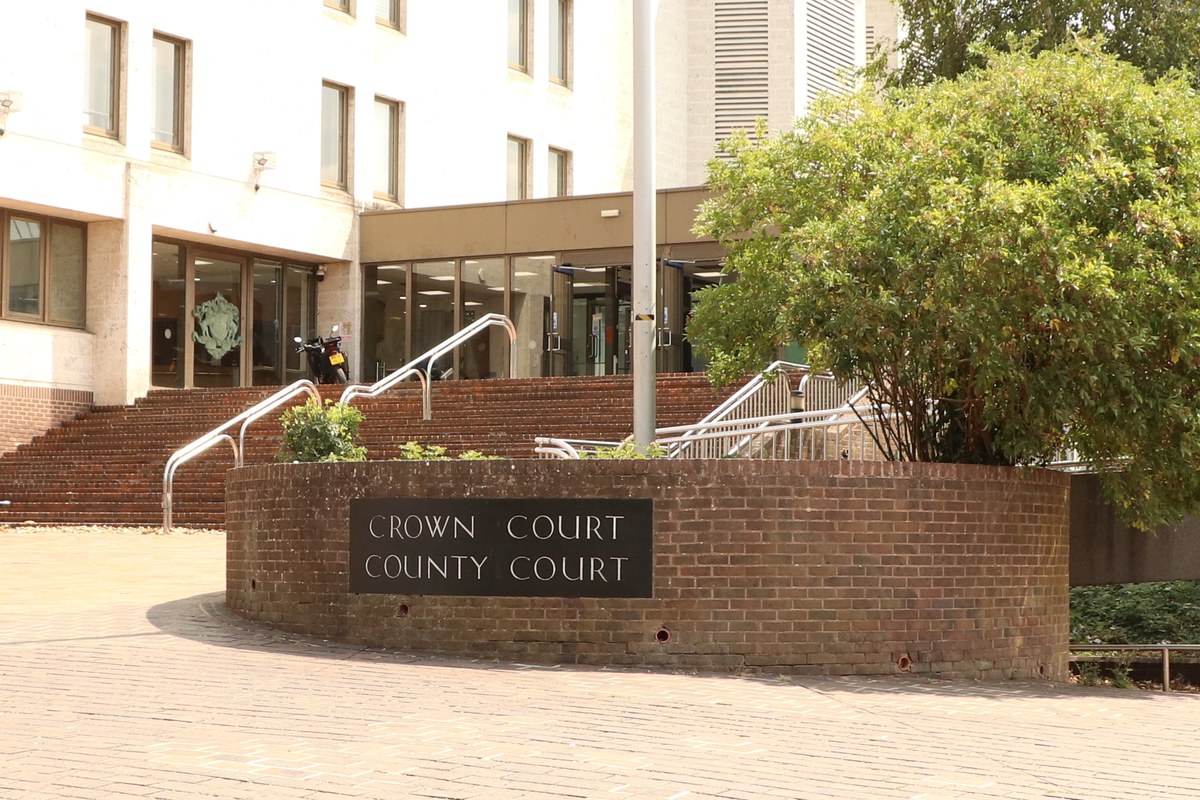
Jenrick’s case was decided under the Single Justice Procedure: a system in which a single magistrate rules on a case in a closed hearing, with no press and no public present, and the defendant pleads guilty or not guilty in writing without ever setting foot in a courtroom.
Hundreds of thousands of motoring cases now pass through this system. It’s efficient, certainly. But it also means the typical speeding prosecution in Britain today is decided on paperwork, at speed, with nobody watching — and with the Driver’s written mitigation as their only voice in the room.
Get that paperwork wrong, or say the wrong thing in it, and there’s no advocate present to repair the damage.
Don’t miss a story: join the free DriveProtect newsletter — straight-talking updates for British Motorists.
The Real Lesson for Every Motorist
Temporary and variable limits are now everywhere on Britain’s motorway network — smart motorway gantries, roadworks restrictions, limits that change from one mile to the next and one hour to the next. Every one of them is enforced by camera, day and night.
And Jenrick’s case proves the two things every Driver needs to understand about them.
First: “I didn’t see the sign” will not, by itself, save you. The Court convicted a Cabinet-level minister on exactly that explanation.
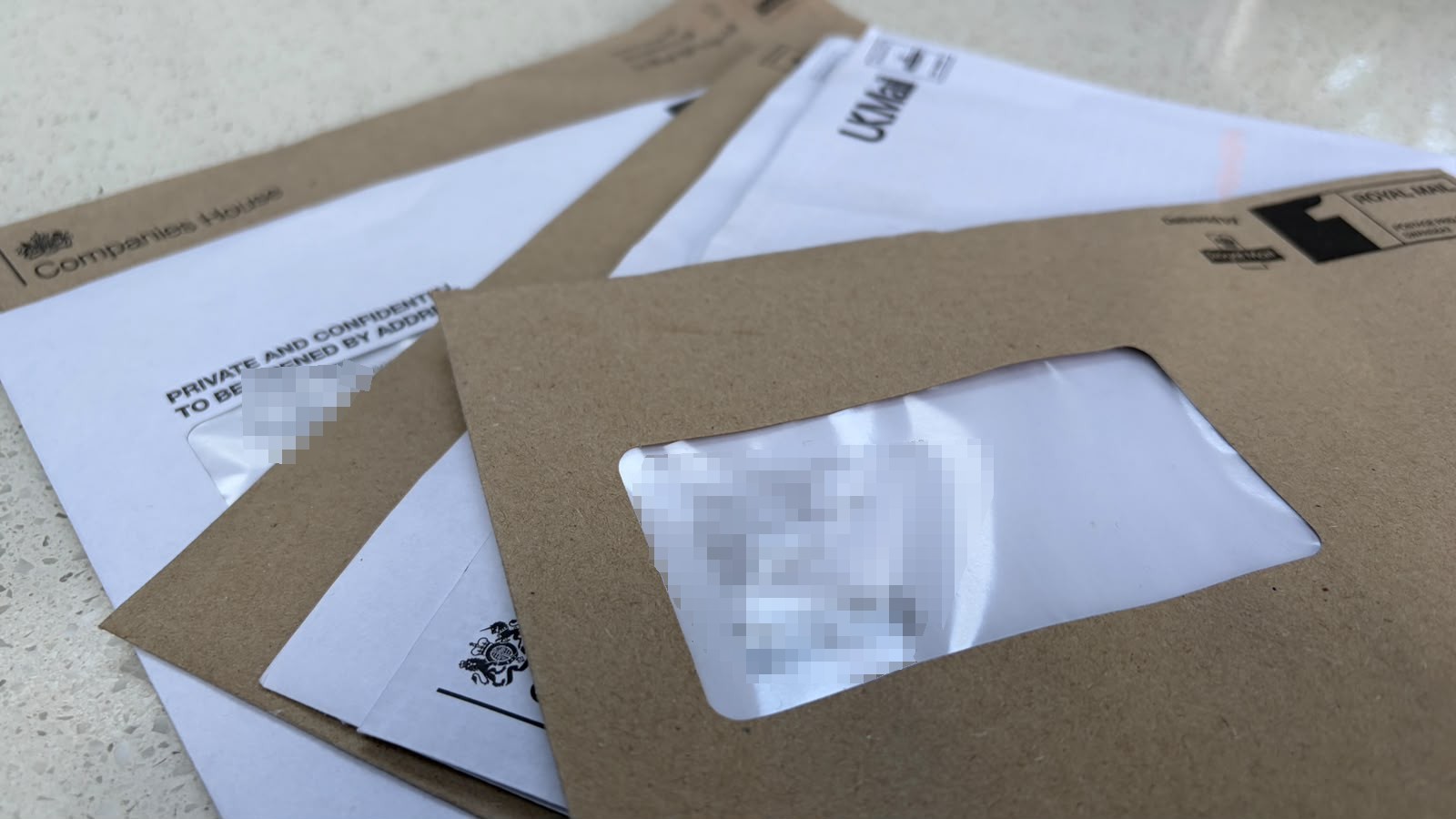
Second: how the case is handled still matters enormously. Whether a limit was properly signed and lawfully imposed, whether the paperwork against you is correct, and how your mitigation is framed can be the difference between points, a hefty fine, and losing your licence entirely. Those are questions for a specialist — not for a Driver guessing at a written plea on the kitchen table.
DriveProtect™ Members get exactly that: from the moment a NIP arrives, direct access to a specialist Speeding Solicitor who reviews the case and advises them exactly what to respond, for a fraction of the normal cost of legal help.
The war on the British Motorist, straight to your inbox
Join the free newsletter — straight-talking updates on speed cameras, enforcement, and your rights as a Driver.
Join the NewsletterGot a NIP or points on your licence right now? See how DriveProtect Membership works — a specialist Speeding Solicitor in your corner from £25/month.