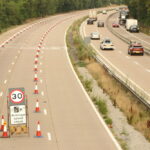
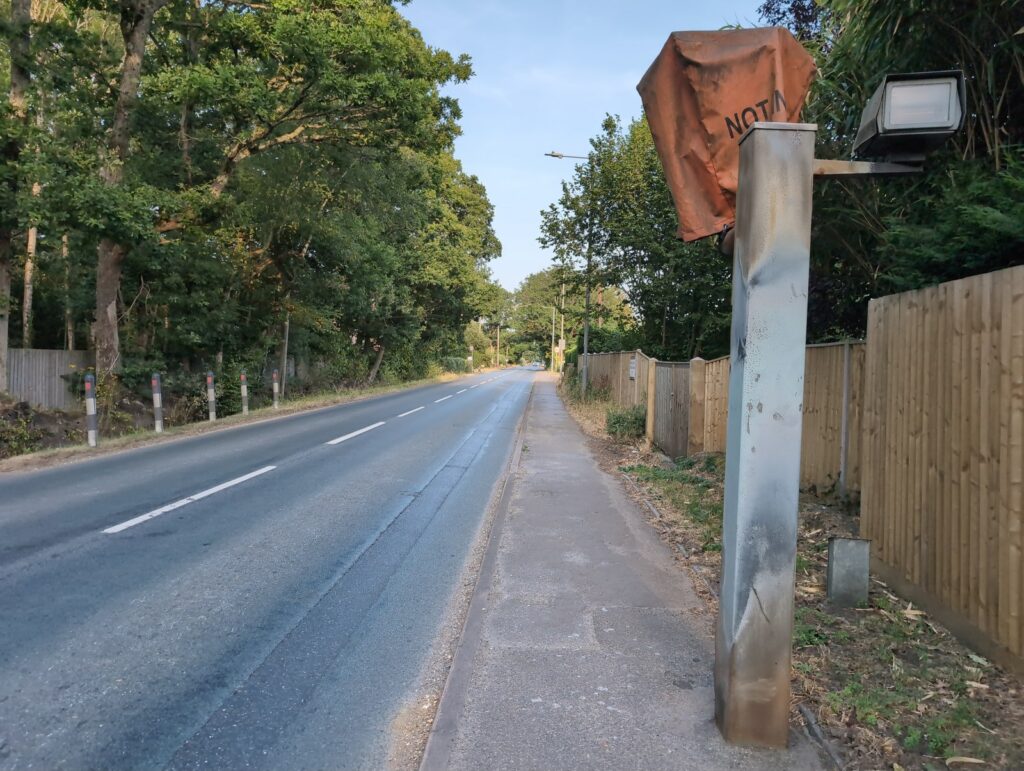

- In 2026, Drivers on a rural East Cleveland road were ticketed at speeds they sincerely believed were legal — one at just 38mph.
- The council’s explanation: erecting 30mph repeater signs on that stretch would itself be against the law.
- And the rule behind that answer applies to roads all over Britain — including ones you drive.
Mark Smith thought he was doing everything right.
Driving between Skelton Green and Boosbeck in East Cleveland, along what he described as “a piece of open countryside”, he kept to 38mph — comfortable, cautious, and in his mind well inside a 60 limit.
Then a fixed penalty notice arrived in the post. The limit on that rural stretch, it turned out, was 30mph — and a camera van had been waiting on it.
He wasn’t alone, and when a local councillor demanded to know why the limit wasn’t signed, the council’s answer was extraordinary: putting 30mph repeater signs on that road would be illegal.
“Police Had a Field Day”
Councillor Steve Kay, who represents the area, reported in 2026 that unsuspecting Motorists were being caught in numbers after camera enforcement began on the route.
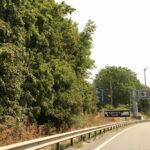
His objection wasn’t to the limit through the built-up villages. It was to the stretch in between — distinctly rural in character, hedges and open ground, with flashing 30mph signs stationed only at the approaches to each village. Drivers who’d passed those signs minutes earlier looked at the countryside around them and assumed, reasonably enough, that the limit had gone back up to 60.
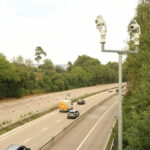
Police, he said, “had a field day”. Cleveland Police confirmed the van was deployed regularly, in response to community complaints about speeding on the route.
So far, a familiar story of a badly signed limit. Then the council explained why it couldn’t be signed — and the story became something every Driver in Britain needs to hear.
The Signs That Would Be Illegal
Under Section 82 of the Road Traffic Regulation Act 1984, a road with a system of street lighting — lamps no more than 200 yards apart — is a “restricted road”. Restricted roads carry a 30mph limit by default, whether or not a single sign says so.
And here’s the twist: the traffic sign regulations do not permit 30mph repeater signs on restricted roads. The street lights themselves are legally deemed to be the signage.
In other words, the very feature that makes the limit 30 also forbids the council from telling you it’s 30 — on a stretch Drivers read as open countryside.
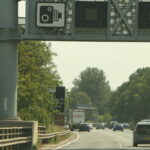
The council did say it had added extra speed camera warning signs and refreshed the SLOW road markings. One fined Driver pointed out those were in Skelton Green itself, not on the stretch where the van sits.
Don’t miss a story: join the free DriveProtect newsletter — straight-talking updates for British Motorists.
The Hidden Rule Every Driver Should Know
Strip away the local detail and one rule remains, and it applies across England and Wales: street lights mean 30mph unless signs tell you otherwise.
Not the character of the road. Not the width, the hedges, or how rural it feels. Lamp posts, 200 yards apart or less, and the default is 30 — even where the last limit sign is a distant memory.
It’s a rule most Motorists have never been taught, on roads that give no hint of it, enforced by vans that don’t need to warn you. That combination is how a careful Driver like Mr Smith ends up with a penalty notice at 38mph.
If a Road Like This Has Caught You
Signage and lighting aren’t just background detail — they can go to the heart of whether a limit is enforceable at all. Whether a road genuinely qualifies as restricted, whether the lighting meets the legal definition, whether other signage contradicted the limit: these are precisely the questions a specialist asks, and they are not questions a Driver should have to answer alone.
DriveProtect™ Members don’t. From the moment a NIP or penalty notice arrives, Members get direct access to a specialist Speeding Solicitor who reviews the case and advises them exactly what to respond, for a fraction of the normal cost of legal help.
The war on the British Motorist, straight to your inbox
Join the free newsletter — straight-talking updates on speed cameras, enforcement, and your rights as a Driver.
Got a NIP or points on your licence right now? See how DriveProtect Membership works — a specialist Speeding Solicitor in your corner from £25/month.