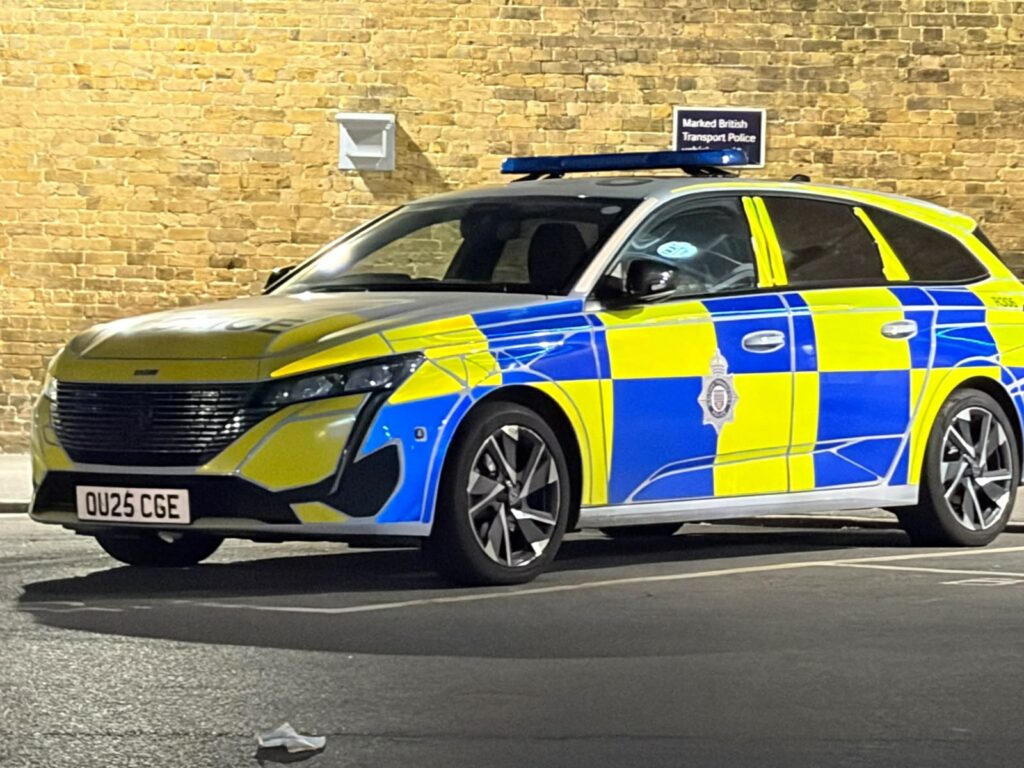

- A police laser clocked one of our Members at more than 95mph on the M62 — a speed that could have cost him his licence and his livelihood.
- His sat-nav recorded a maximum of 70.4mph for the entire journey, and he photographed the screen at the roadside while the officers watched.
- Then, at trial, the police’s own in-car video revealed something both officers had denied on oath.
One January night, one of our Members — we’ll call him Mike — collected a Citroen Saxo from a depot in Barnsley at 10:45pm.
Mike delivered cars for a living. This one was bound for Inverness, so at 11:02pm precisely he filled it with £45 of fuel at a Shell station, reset his Garmin sat-nav for the journey, and pulled onto the M1 heading north.
Thirty-eight minutes and 14.1 miles later, the police pulled him over on the M62 near Wakefield.
They’d taken a reading on a ProLaser 3 — a Home Office approved device — and it said he’d been doing more than 95mph.
Mike told them they were wrong. He’d been sitting at about 70, and if their laser said otherwise, it must have caught another vehicle coming down the hill.
There was no other vehicle, the officers said. His was the only car on the motorway.
Mike knew that wasn’t true. And months later, in a Courtroom in Wakefield, the police’s own camera would prove it.
The Evidence He Gathered While the Ink Was Still Wet
Handed a fixed penalty notice at the roadside, Mike refused to sign it. In his view the details on it were simply not accurate, and they did not relate to him.
Then he did something most Drivers would never think to do. He asked the officers to walk over to his car and look at his sat-nav, which showed a maximum recorded speed of 70.4mph for the whole journey.
They refused.
So Mike took four photographs of the sat-nav screen, right there at the scene, on a camera he carried in the car — a maximum recorded speed of 70.4mph, captured before anyone could suggest he’d made it up afterwards.
Between the fuel receipt printed at 11:02pm, the stop at 11:40pm, and the 14.1 miles covered in between, he now had a documented timeline of the entire journey — and a recorded top speed 25mph below what the laser claimed.
When the summons arrived from Wakefield Magistrates’ Court, he pleaded not guilty and elected trial.
Approved Device Versus a £100 Sat-Nav
At the pre-trial hearing, Mike laid it all out: the fuel receipt, the timings, the mileage, the four photographs. The District Judge summed up the collision course neatly — this was a Home Office approved device on one side, and a public device on the other, and the two readings could not both be right.
The prosecution objected to the sat-nav evidence, arguing Mike was not an expert. The Court disagreed — members of the public use these devices all the time, it said, and GPS was accurate enough to be accepted as evidence in the proceedings.
Mike was also barred from questioning how the ProLaser 3 works, for the same not-an-expert reason. The most he was permitted to suggest was that the device might have been misused by its operator.
Which left one question hanging over the trial: was there, or was there not, another vehicle on that hill?
What the Police’s Own Camera Showed
Both officers denied it. On oath. There was no other vehicle, they said, when the reading was taken.
Then the in-car video footage from their own patrol car was played.
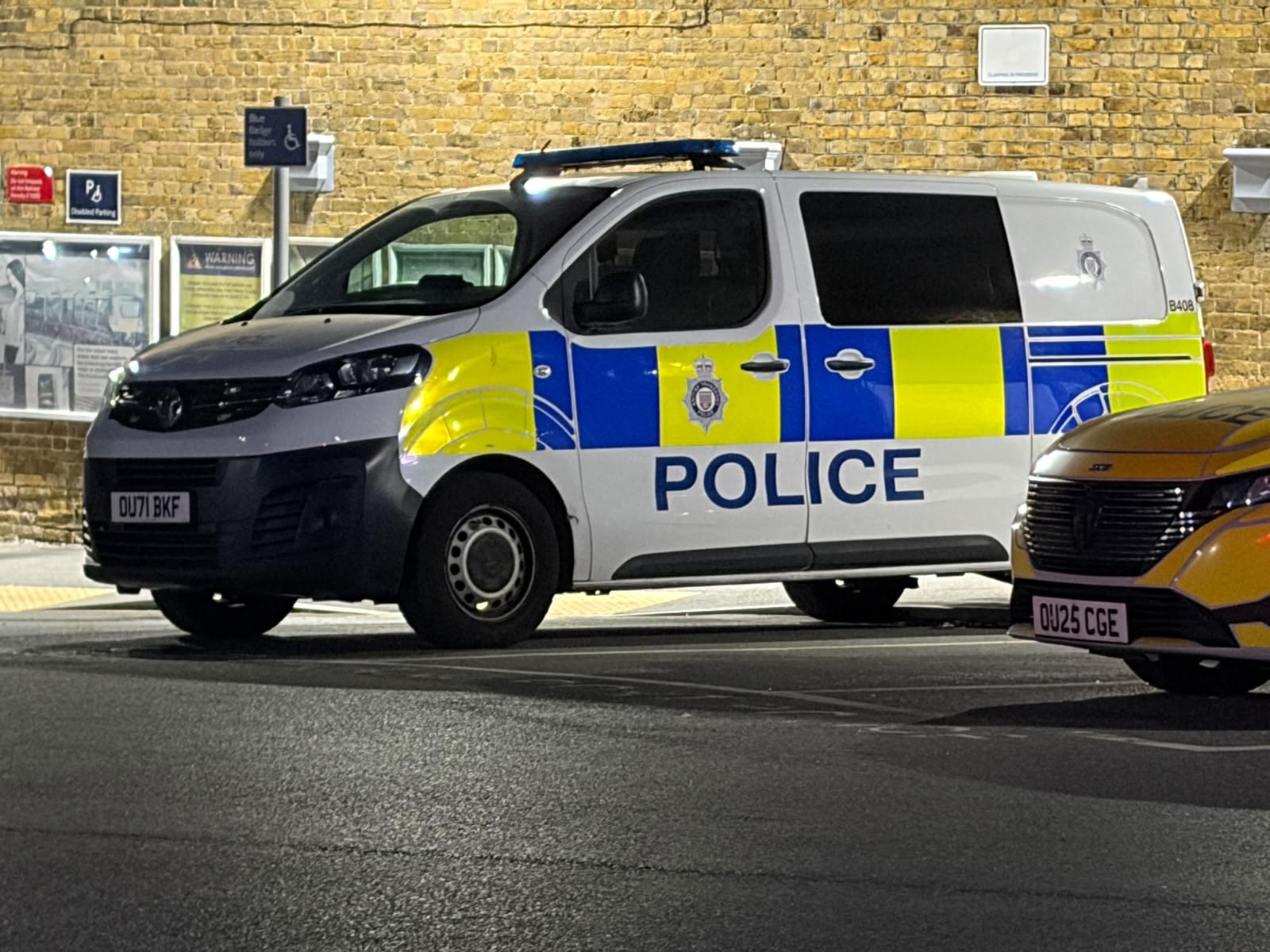
It showed the patrol car parked at a right angle to the motorway. It showed another car speeding past their position roughly seven seconds before Mike did — and out of sight by the time the officers could pull out onto the carriageway behind him. It even showed the patrol car moving off before Mike’s car had passed them.
The Court found Mike not guilty, concluding the police must have taken their reading from the other vehicle on the hill.
The laser had done its job. It had simply been pointed at the wrong car — and without Mike’s roadside evidence, nobody would ever have known.
Don’t miss a story: join the free DriveProtect newsletter — straight-talking updates for British Motorists.
What This Means for You
Think about how this case would have ended for almost anyone else — no sat-nav log, no photographs, no fuel receipt kept. Just a Driver’s word against an approved device and two officers, a contest that Driver loses every single time.
Mike won because he treated the roadside like the start of his defence, not the end of his journey. Evidence gathered in those first minutes — times, receipts, readings, photographs — is exactly the kind of material a case can later be built on.
And he won because the case was actually tested. The officers’ account only fell apart because someone made the prosecution produce its footage and put its claims under a light.
That is precisely what DriveProtect™ exists to do. If a ticket, an NIP, or a summons lands on your doormat, Members get direct access to a specialist Speeding Solicitor who reviews the case and advises them exactly what to respond, for a fraction of the normal cost of legal help.
The war on the British Motorist, straight to your inbox
Join the free newsletter — straight-talking updates on speed cameras, enforcement, and your rights as a Driver.
Got a NIP or points on your licence right now? See how DriveProtect Membership works — a specialist Speeding Solicitor in your corner from £25/month.