
- In a single two-week operation in October 2022, one police force caught 4,680 Drivers speeding — an average of 14 every hour, day and night.
- Nearly two-thirds of them were caught on temporary 50mph roadworks limits, not permanent ones.
- And when you follow what happened to those Drivers next, you find a payment to police forces that most Motorists have never heard of.
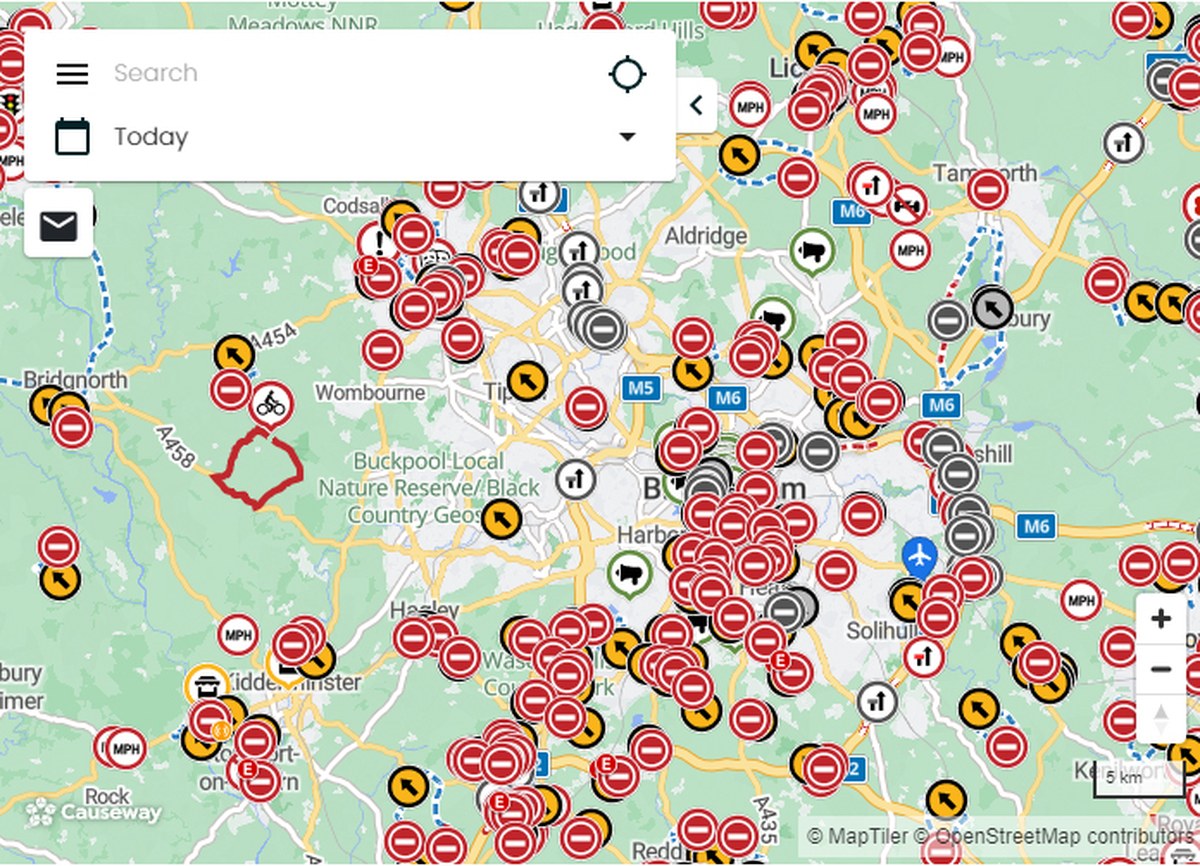
On 17 October 2022, Warwickshire Police began a two-week speeding operation as part of a national campaign.
By the time it ended 14 days later, 4,680 Drivers had been caught — an average of 334 every day, or 14 every hour, around the clock, in one county.
The force published the results itself, and to be fair, some of what its officers found genuinely belongs in a courtroom: 30 Drivers were clocked at over 100mph on the M6, the fastest at 133mph.
Nobody sensible defends that. But those extreme cases were a tiny sliver of the total, and it’s the rest of the numbers that tell the real story.
Where Two-Thirds of the Tickets Came From
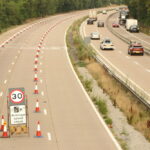
Of the 4,680 Drivers caught, 2,928 — a striking 62.5 per cent — were caught exceeding temporary 50mph limits through roadworks.
Think about what that means. The majority of this operation’s haul didn’t come from Drivers tearing through villages. It came from Motorists on major roads, passing through stretches where the normal limit had been temporarily lowered.
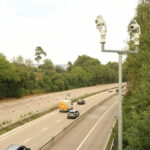
Temporary limits are exactly where ordinary, careful Drivers get caught out: the limit you’ve known for years is suddenly different, the change may be poorly signed or easy to miss at night, and average speed cameras through the works are counting every yard.
The police position is that those limits protect road workers, and where workers are present that’s a serious point. But an enforcement operation that draws nearly two-thirds of its catch from temporary limits is, at the very least, fishing where the fish are easiest.
What Happened to the 4,680
Here’s where it gets interesting. Of those 4,680 Drivers, just 74 were facing prosecution when the results were announced — the extreme speeds, the repeat offenders, those already carrying heavy points.
Meanwhile 3,897 of them — more than five out of every six — were offered a driver educational course instead.
On the surface, that’s the system showing mercy: take a course, keep your licence clean. And for many Drivers a course genuinely is the right call.
But there’s a detail in the plumbing of that system which very few Motorists know about.
The £45 That Follows You to the Classroom
When you pay for a speed awareness course — typically somewhere between £80 and £100 — that money doesn’t go where a fine goes.
A speeding fine goes to the Treasury. Police forces don’t keep a penny of it.
A course fee is different: it’s split between the course provider and the police force, with forces receiving what’s officially called a cost-recovery fee for every Driver who attends. That fee was £35 for years, and in September 2017 it rose to £45 — a near-30 per cent increase which, with well over a million Drivers taking courses annually, pushed forces’ combined income from courses past £50 million a year.
The police insist this money only covers the cost of catching and processing speeding Motorists, and that no force profits from it. Critics — including motoring organisations and MPs at the time of the fee rise — used a blunter phrase: cash cow.
We’ll simply note the arithmetic: every eligible Driver caught in an operation like Warwickshire’s represents £45 of income to the force that caught them, and five out of six were steered down exactly that path.
Don’t miss a story: join the free DriveProtect newsletter — straight-talking updates for British Motorists.
Should You Take the Course?
Honesty compels us to say: often, yes. A course keeps points off your licence, usually costs less than the fine-plus-insurance-rise alternative, and government-commissioned research has found attendees are slightly less likely to reoffend than Drivers who take the points.
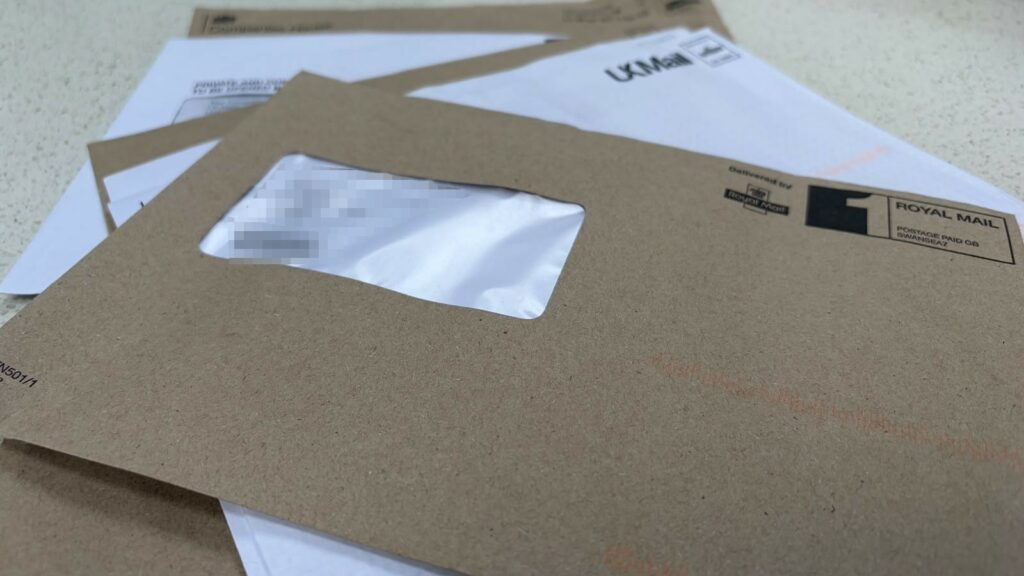
But a course offer is not always the end of the analysis. You can only take one every three years, so accepting one for a marginal or questionable reading burns an option you might badly need later. And if the case against you is flawed — a temporary limit inadequately signed, a NIP with errors, a dubious reading — accepting any outcome without a specialist looking first means paying for the prosecution’s mistake.
The one thing you should never do is decide alone, under time pressure, with a form in one hand and a deadline in the other.
DriveProtect™ Members never have to. The moment a NIP arrives, Members get direct access to a specialist Speeding Solicitor who reviews the case — course offer and all — and advises them exactly what to respond, for a fraction of the normal cost of legal help.
The war on the British Motorist, straight to your inbox
Join the free newsletter — straight-talking updates on speed cameras, enforcement, and your rights as a Driver.
Got a NIP or points on your licence right now? See how DriveProtect Membership works — a specialist Speeding Solicitor in your corner from £25/month.