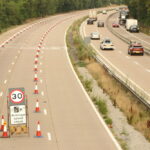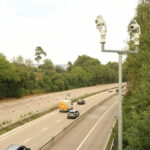
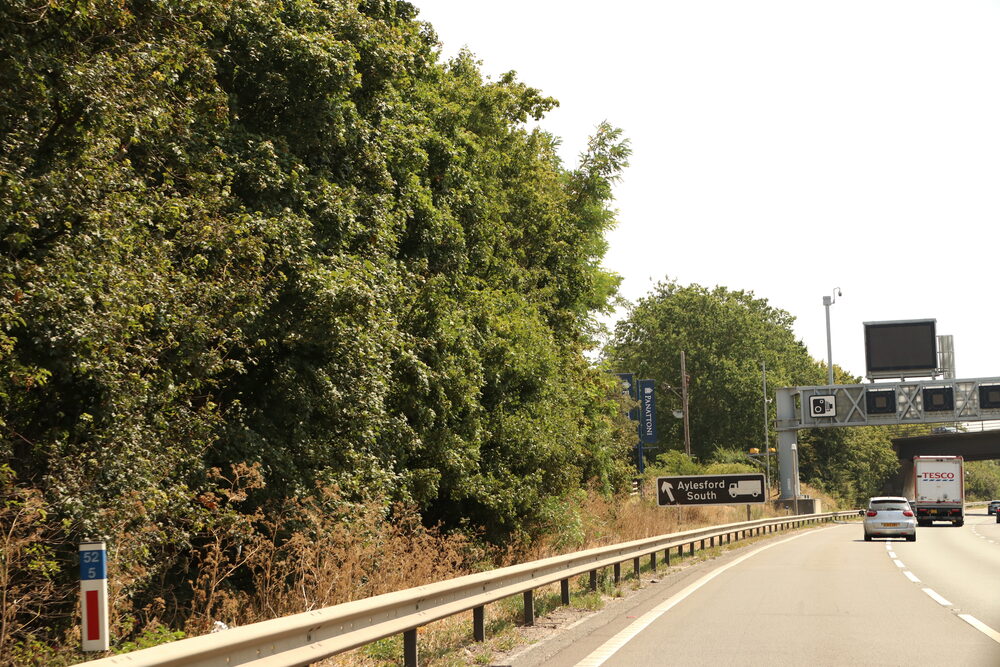

- In October 2020, four stretches of British motorway had their limits cut from 70mph to 60mph “for air quality” — in a trial meant to last 12 to 15 months.
- The limits applied 24 hours a day, even to electric cars with no exhaust — and the M1 and M6 restrictions weren’t removed until 2024.
- When the results finally came in, one small number summed up what years of slower journeys had bought.
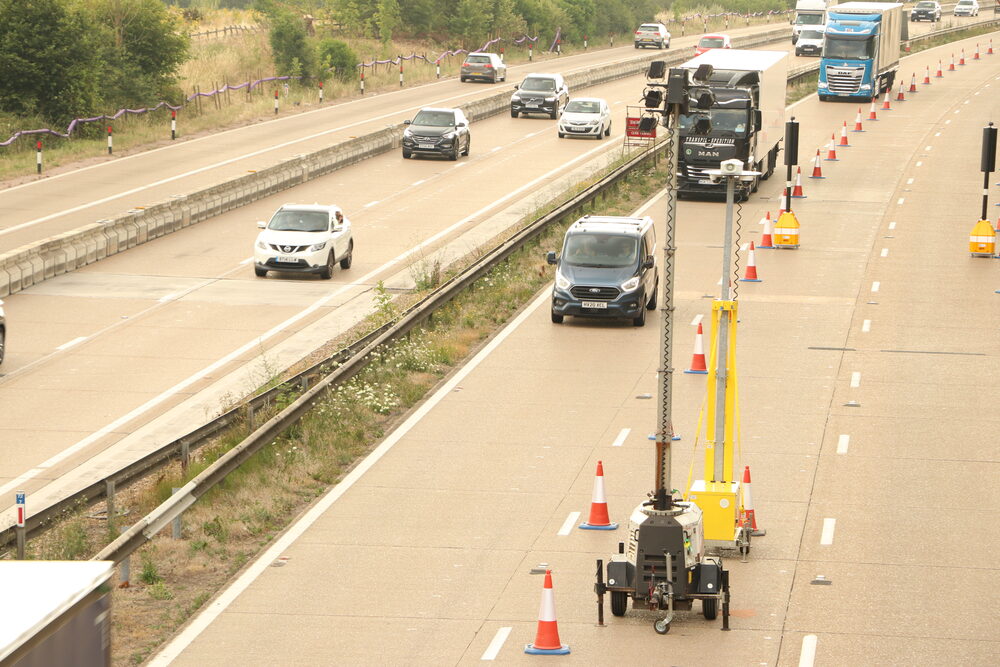
In October 2020, Highways England did something new. It cut the speed limit from 70mph to 60mph on four stretches of motorway — near Rotherham on the M1, Witton on the M6, Eccles on the M602 and Oldbury on the M5 — not for roadworks, and not for safety, but for air quality.
Each stretch ran to roughly four and a half miles. The limits were mandatory, enforceable, and in force 24 hours a day — at three o’clock on a summer morning just as much as in rush hour.
They even applied to electric cars, which produce no exhaust emissions at all. The official reasoning was that different limits for different vehicles would be dangerous — although lorries had happily been limited to 56mph on the same roads for years.
It was, we were told, a trial: 12 to 15 months, then a review.
The M1 and M6 limits came off in 2024 — roughly three and a half years after the trial began.
The Trial That Wouldn’t End
By January 2023, more than two years in, National Highways had published no data showing the limits were working. Motoring groups, the AA among them, called for the restrictions to be lifted or justified. A former roads minister demanded the agency produce facts or reinstate the national limit.
Critics also spotted a hole in the science: the modelling behind the scheme considered exhaust emissions but reportedly took no account of particulate pollution from braking — the very thing that increases when traffic is forced to slow and bunch.
The limits stayed anyway. Drivers on those stretches spent years watching gantries enforce a restriction whose results nobody had seen.
What Four Years of Slower Journeys Bought
Then, in 2024, National Highways announced the M1 and M6 limits would go, and shared its headline finding: nitrogen dioxide in the Rotherham restriction zone had fallen from 39 micrograms per cubic metre to 35.
Four micrograms. Air quality was improving across the whole network anyway, the agency noted — and its head of air quality added that the problem would ultimately be solved “at the tailpipe” by vehicle manufacturers.
Which is precisely what critics of the scheme had said at the start. To be fair to the modellers, academic work did suggest a 60mph limit could trim roadside NO2 by up to 12 per cent — but the same researchers stressed that real-world evidence was thin. What Drivers actually got was a “temporary” restriction that outlived its own trial period three times over, enforced all day and all night, on vehicles with and without exhausts alike.
READ MORE: Rain Kills 30 Times More Road Users Than Snow — and a Speed Camera Can’t Measure Any of It
The Age of the Justified Limit
Notice what’s changed in how limits are presented. Once, a speed limit was simply the limit. Now, restrictions increasingly arrive wearing a reason: for air quality, for flooding, for pedestrians in the road.
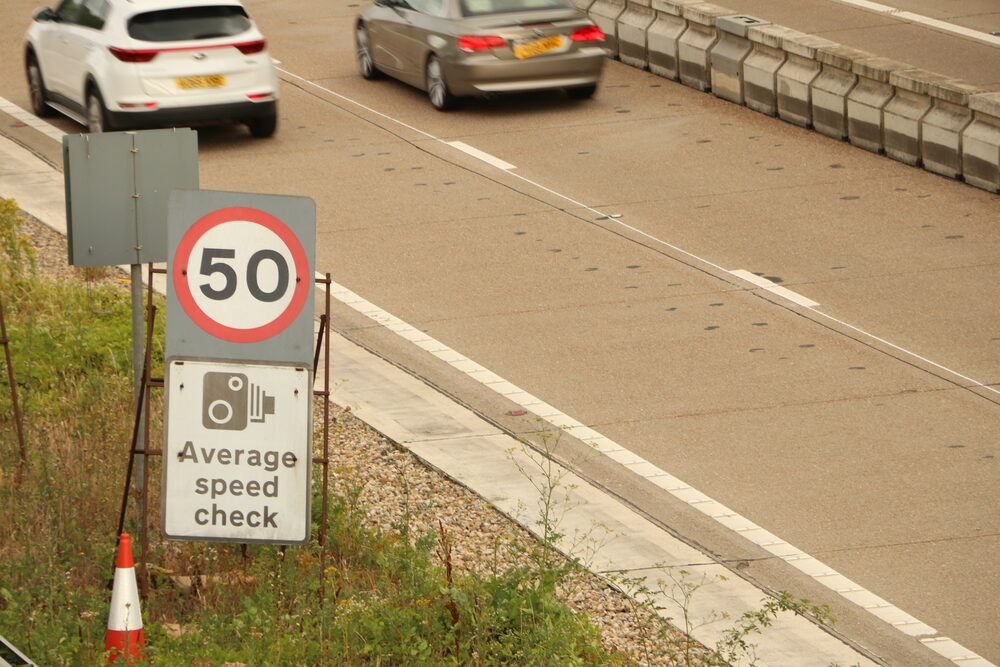
Do the reasons stand up? We once polled our newsletter readers about one of the most common — the “pedestrians in road” warnings used to justify switching on average speed cameras through roadworks. Of 943 Drivers who voted, 92 per cent said they had never, or almost never, actually seen a pedestrian at one. Just eight people out of 943 said they always had.
That doesn’t make every justification false. Road workers are sometimes genuinely present; the Rotherham air was genuinely (slightly) cleaner. But when a “12-month” measure runs for years, and its own architects concede the real solution lies elsewhere, Drivers can be forgiven for asking whether the reason on the sign was ever the whole story.
Don’t miss a story: join the free DriveProtect newsletter — straight-talking updates for British Motorists.
Why This Matters When the Envelope Arrives
Here’s the hard practical truth: a speed limit does not need to be sensible to be enforceable. Whether you think 60mph for air quality was wise or absurd, a camera on one of those stretches would produce a perfectly valid prosecution.
What a limit does need to be is lawful — properly made, properly signed, properly enforced. And temporary and variable limits are exactly where that machinery most often fails: orders that lapse, terminal signs that don’t comply, gantries and cameras that disagree with each other. Those failures are invisible to a Driver holding a NIP, and obvious to a specialist who knows where to look.
So if you’re caught on a stretch where the limit seems to change with the weather — or the air — don’t assume the case against you is as solid as it looks.
DriveProtect™ Members never have to assume. The moment a NIP arrives, Members get direct access to a specialist Speeding Solicitor who reviews the case and advises them exactly what to respond, for a fraction of the normal cost of legal help.
The war on the British Motorist, straight to your inbox
Join the free newsletter — straight-talking updates on speed cameras, enforcement, and your rights as a Driver.
Join the NewsletterGot a NIP or points on your licence right now? See how DriveProtect Membership works — a specialist Speeding Solicitor in your corner from £25/month.