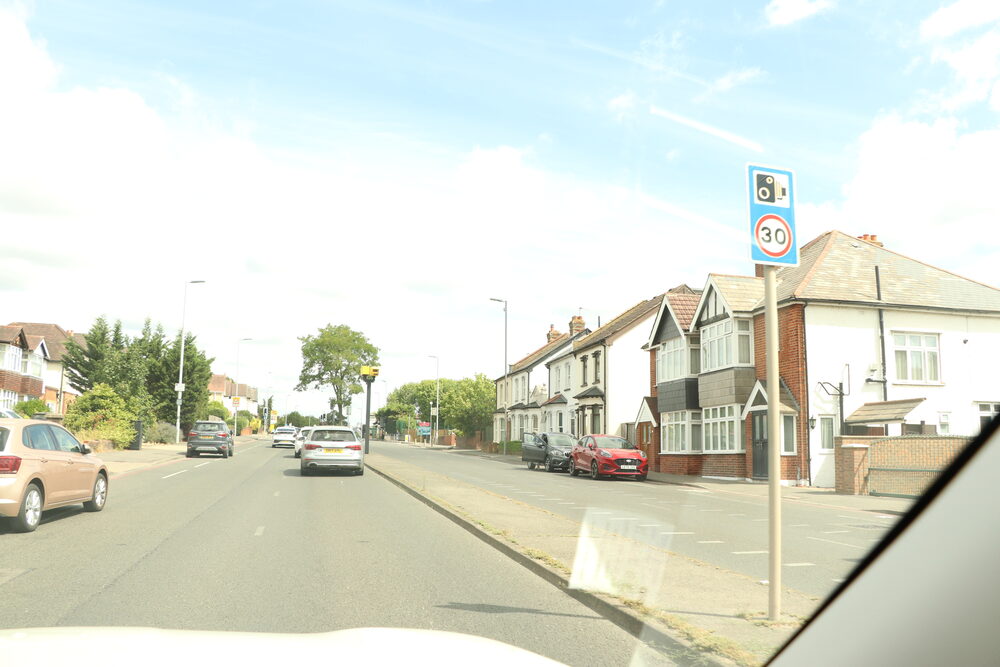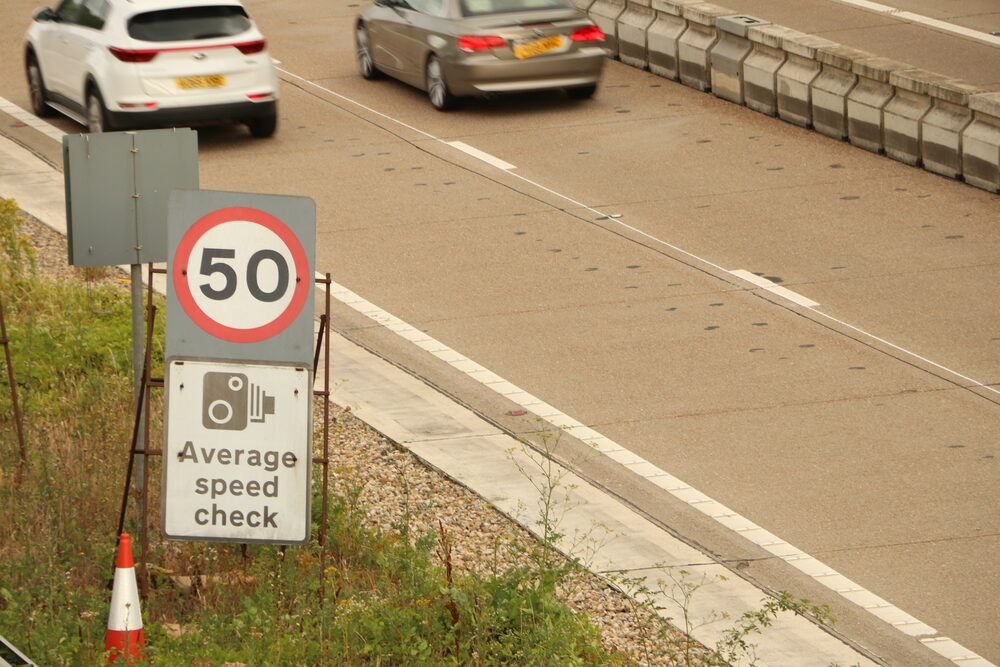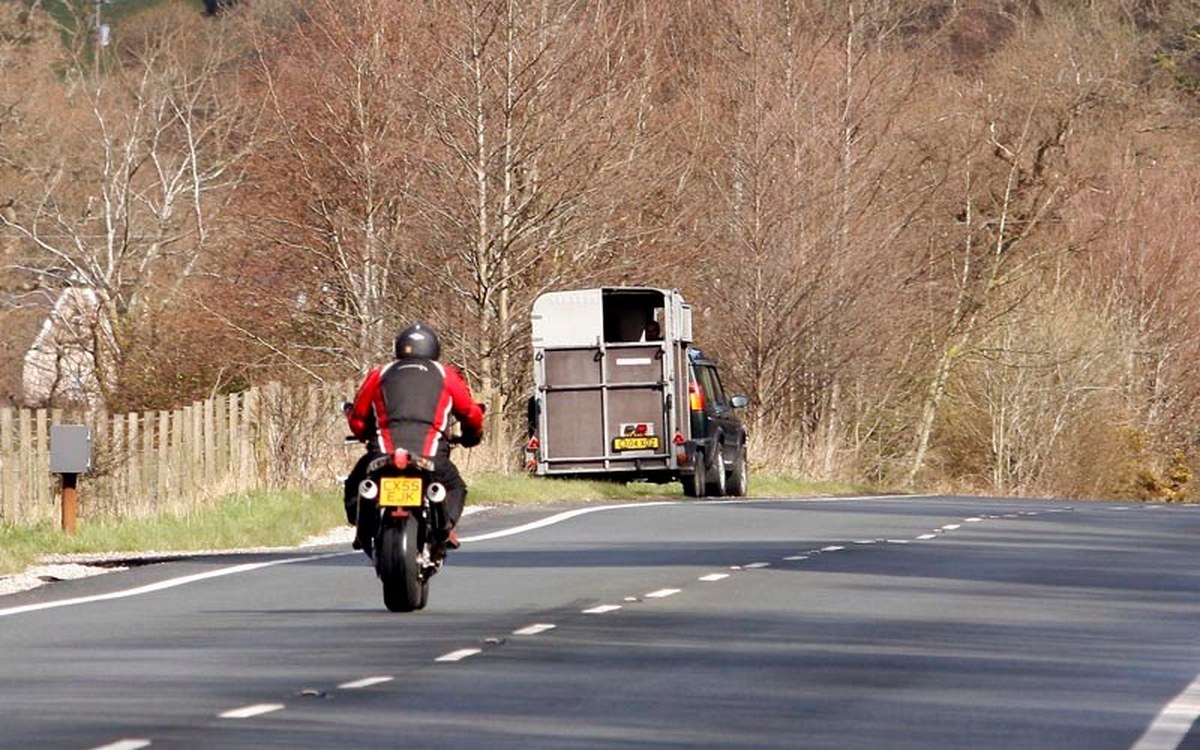

- Warning oncoming Drivers about a speed trap by flashing your headlights can be prosecuted as wilfully obstructing a constable — with a maximum fine of £1,000.
- It has genuinely happened: in 2011, a 64-year-old was convicted at Grimsby Magistrates’ Court for exactly that.
- Yet when a judge across the Atlantic examined the very same act, he reached precisely the opposite conclusion.
Every year or so, the same warning sweeps the motoring press in near-identical wording: flash your headlights to warn other Drivers about a speed trap, and you could be fined up to £1,000.
Most recurring motoring scare stories dissolve the moment you check them. This one, unusually, has a real conviction behind it — and a real statute. But the full picture is rather more interesting than the headlines, and it ends with two Courts looking at the identical act and reaching opposite verdicts.
The Man Who Was Actually Prosecuted
Meet the case that gives the warning its teeth. In January 2011, Michael Thompson, a 64-year-old from Grimsby, flashed his headlights at oncoming traffic to warn of a police speed check ahead.
He was prosecuted for wilfully obstructing a policewoman in the execution of her duty, convicted after a trial at Grimsby Magistrates’ Court, and ordered to pay a £175 fine, £250 in costs and a £15 victim surcharge.
Total bill for a half-second flash of the headlights: £440.
So no, the story isn’t an urban myth. The question is what the law actually requires before a flash becomes a crime — because that’s where the annual warnings go quiet.
What the Law Actually Says
Two separate rules get blended together in the retelling, and they are very different animals.
The first is Rule 110 of the Highway Code: only flash your headlights to let other road users know you are there, and not to convey any other message. Breaching the Highway Code is not, by itself, a criminal offence — but it can be used as evidence against you in Court.
The second is where the £1,000 comes from: section 89(2) of the Police Act 1996, which makes it an offence to wilfully obstruct a constable in the execution of their duty. If your flash is judged to have deliberately undermined a live speed check, that’s the charge — carrying a maximum level-three fine of £1,000 and, in rare cases, up to a month’s imprisonment.
Note the word doing the heavy lifting: wilfully. The prosecution has to show a deliberate act of obstruction, not a courtesy flash or a warning about your own presence. That evidential hurdle is one reason why, despite a decade and more of breathless warnings, Mr Thompson’s case remains the famous one rather than one of thousands.
The Same Act, the Opposite Verdict
Now for the part the warnings never mention. In 2012, in the town of Ellisville, Missouri, a driver named Michael Elli was pulled over for flashing his headlights to warn of a speed trap — and told he faced a fine of up to $1,000. The mirror image of the Grimsby case.
The charge was dropped, the American Civil Liberties Union sued on his behalf, and in 2014 a US federal judge ruled that flashing your headlights is protected free speech — reasoning that a warning which slows traffic down actually helps Drivers comply with the speed limit.
Same flash, same purpose, same era. A criminal conviction on one side of the Atlantic; a constitutionally protected good deed on the other. Whatever your view, it’s a neat reminder that these lines are drawn by choice, not necessity.
Don’t miss a story: join the free DriveProtect newsletter — straight-talking updates for British Motorists.
So Should You Worry?
Here’s the honest position. The offence is real, the power exists, and it isn’t limited to headlights — North Wales Police warned in 2022 that posting mobile camera locations on social media risks the very same obstruction charge. But actual prosecutions are vanishingly rare, and each retelling of the £1,000 warning leans on the same solitary conviction from 2011.
What should genuinely concern you is the other end of the transaction: the speed check itself. Because whether or not anyone flashes a warning, the camera van will process its footage, and some of the Drivers in it will find a NIP on the doormat within days.
If that’s you, remember that a NIP is the beginning of a legal process, not the end of one — and the prosecution has to get every step of it right.
DriveProtect™ Members never have to judge that alone. From the moment the envelope arrives, Members get direct access to a specialist Speeding Solicitor who reviews the case and advises them exactly what to respond, for a fraction of the normal cost of legal help.
The war on the British Motorist, straight to your inbox
Join the free newsletter — straight-talking updates on speed cameras, enforcement, and your rights as a Driver.
Join the NewsletterGot a NIP or points on your licence right now? See how DriveProtect Membership works — a specialist Speeding Solicitor in your corner from £25/month.