
- Dedicated traffic officers in England and Wales have fallen 22% in a decade — from 5,005 “cops in cars” to just 3,889.
- Yet speeding offences have climbed past 2.5 million a year — the highest figure in more than a decade.
- The explanation for that strange contradiction is parked at the side of a road near you.
Here’s a riddle for you. The number of traffic police in England and Wales is at a ten-year low. So why does every Driver you know feel more watched, more enforced against, and more likely to find a ticket on the doormat than ever before?
Our Members have said it to us for years: enforcement feels like it’s everywhere. And they’re right — it is. It just isn’t wearing a uniform any more.
The numbers behind this are remarkable, and they were sitting quietly in Home Office data until the RAC dug them out in 2025.
Where Did the Traffic Police Go?
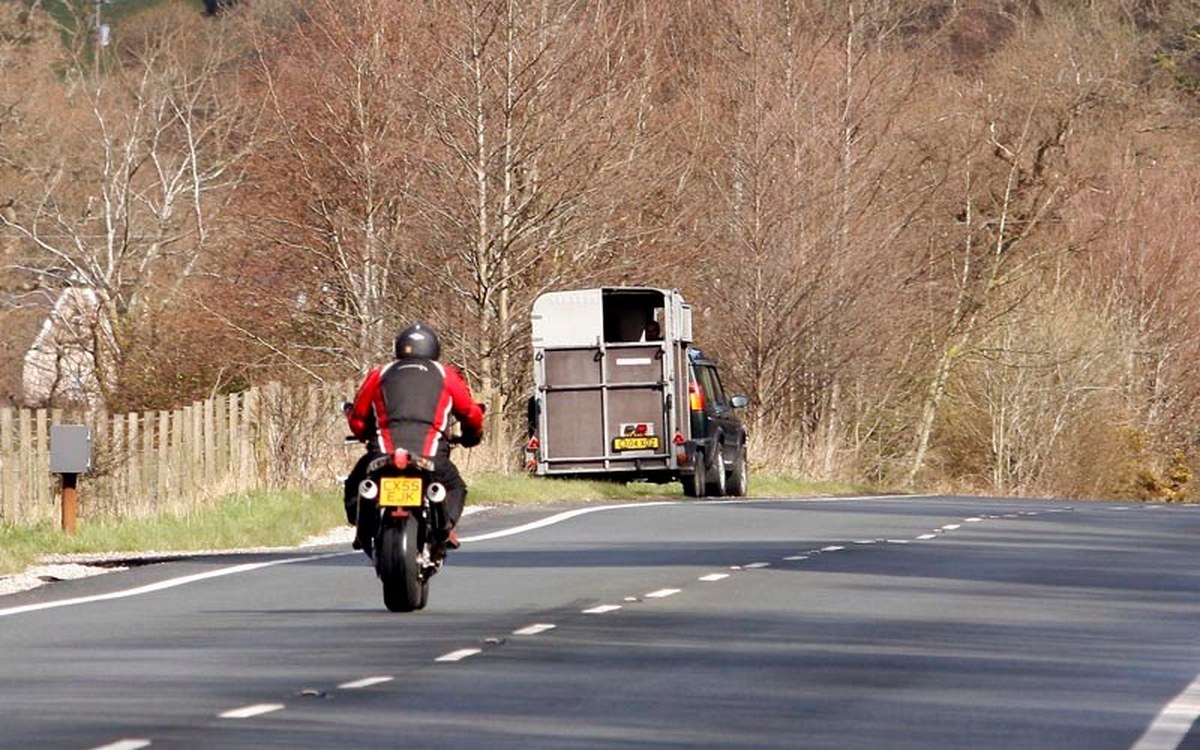
Back in 2015, there were 5,237 officers across the 43 forces of England and Wales whose primary job was roads policing — from patrol cars to the safety camera partnerships that run mobile speed enforcement.
By 2025 that had fallen to 4,149. More than a thousand officers, gone — a 21% drop.
Look purely at officers actually out on the roads and it’s worse: traffic units shrank from 5,005 to 3,889, a 22% cut, over a decade in which the number of cars on Britain’s roads grew by around a fifth.
The RAC’s head of policy said the decline “lessens the fear of being caught breaking the law”. For some offences, that’s exactly what the data shows — detections for things only an officer can spot, like seatbelt offences, fell away as the patrols disappeared.
Except one offence bucked the trend entirely. And it’s the one that matters most for your licence.
The Machines That Took Over
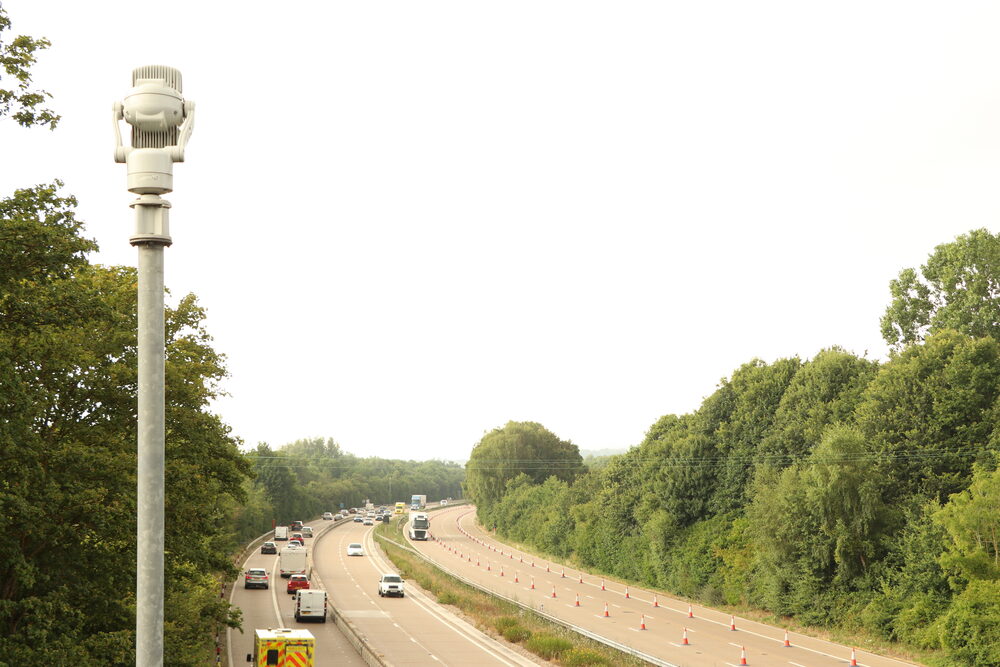
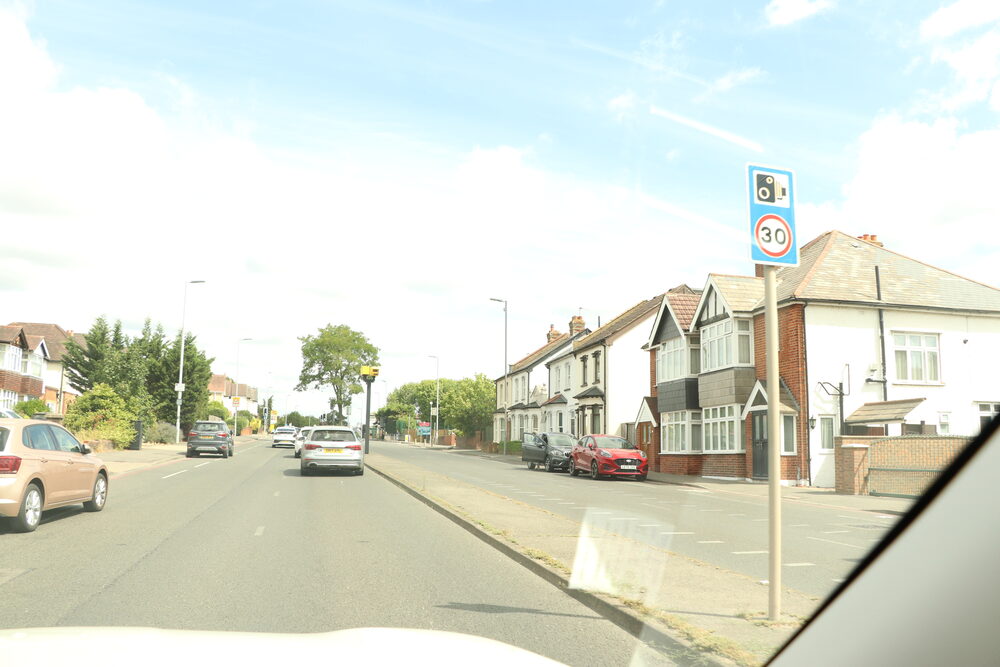
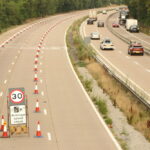
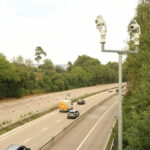
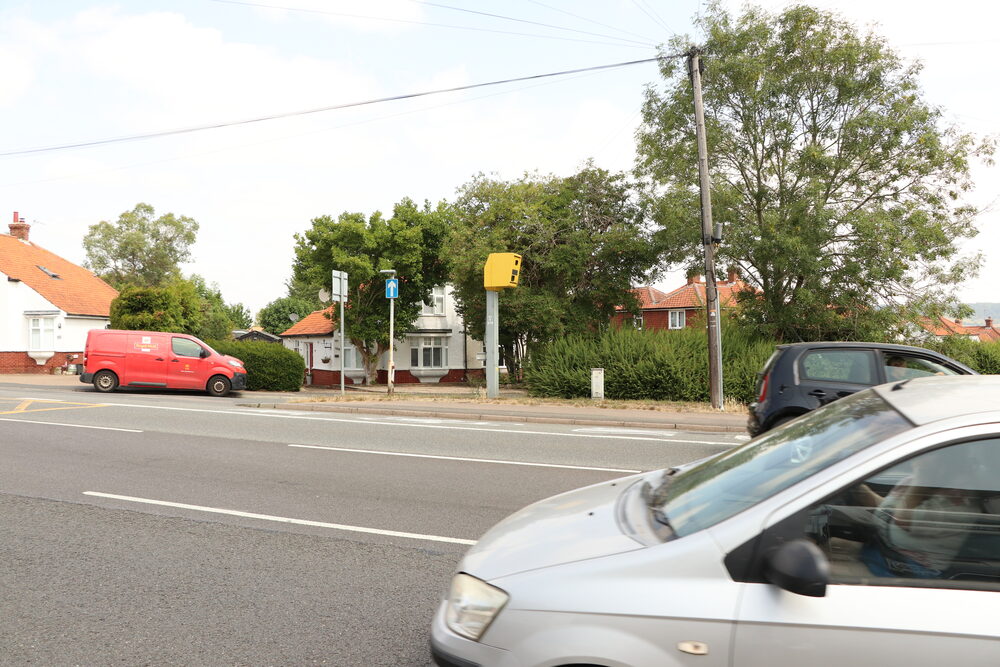
While the patrol cars were vanishing, the number of speed cameras in Britain more than doubled.
And the results followed. Figures published in 2026 recorded 2,536,194 speeding offences in a single year — 86% of all motoring offences, up 9% on the year before, and the highest total in more than a decade.
The new 20mph limits are feeding the machine too: 488,599 tickets were issued for speeding on 20mph roads in 2024 alone, up two-thirds on the previous year.
So the riddle solves itself. Enforcement didn’t decline with the officer numbers — it was automated. The judgement call of a trained officer at the roadside has been replaced by a lens, a flash, and a processing centre.
And that swap changes something fundamental about how you get treated as a Driver.
Don’t miss a story: join the free DriveProtect newsletter — straight-talking updates for British Motorists.
A Camera Never Has a Quiet Word
An experienced traffic officer could weigh a situation: the empty dual carriageway at 2am, the Driver rushing to a hospital, the momentary lapse versus the habitual menace. Sometimes that meant a word of advice instead of a ticket.
A camera weighs nothing. It records a number, and the process takes over: of the millions of offences now logged each year, roughly half end in a retraining course, over a third in a fixed penalty, and around one in eight in Court.
Every one of those outcomes starts the same way — with a NIP in the post, generated by a system that has never met you, addressed to a keeper who often has no idea which journey, which road, or which camera it was.
Fewer humans in the system means less discretion on the way in. Which makes the checks on the way out — was the NIP served in time, was the limit lawful, was the device calibrated — matter more than they ever have.
Make the System Prove It
Because that’s the flip side of automated enforcement: a machine-generated case still has to be a lawful one. The paperwork, the timing, the signage and the evidence all have to stand up — and with millions of cases flowing through the system each year, they don’t always.
DriveProtect™ Members put a human back on their side of the equation: direct access to a specialist Speeding Solicitor who reviews the case the moment a NIP arrives and advises them exactly what to respond, for a fraction of the normal cost of legal help.
The war on the British Motorist, straight to your inbox
Join the free newsletter — straight-talking updates on speed cameras, enforcement, and your rights as a Driver.
Join the NewsletterGot a NIP or points on your licence right now? See how DriveProtect Membership works — a specialist Speeding Solicitor in your corner from £25/month.