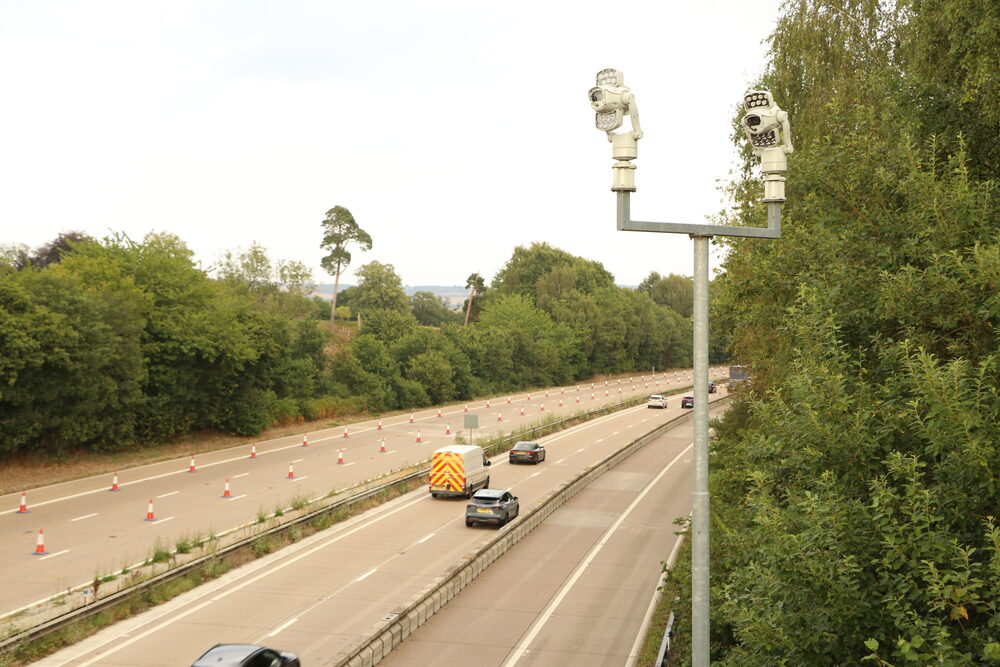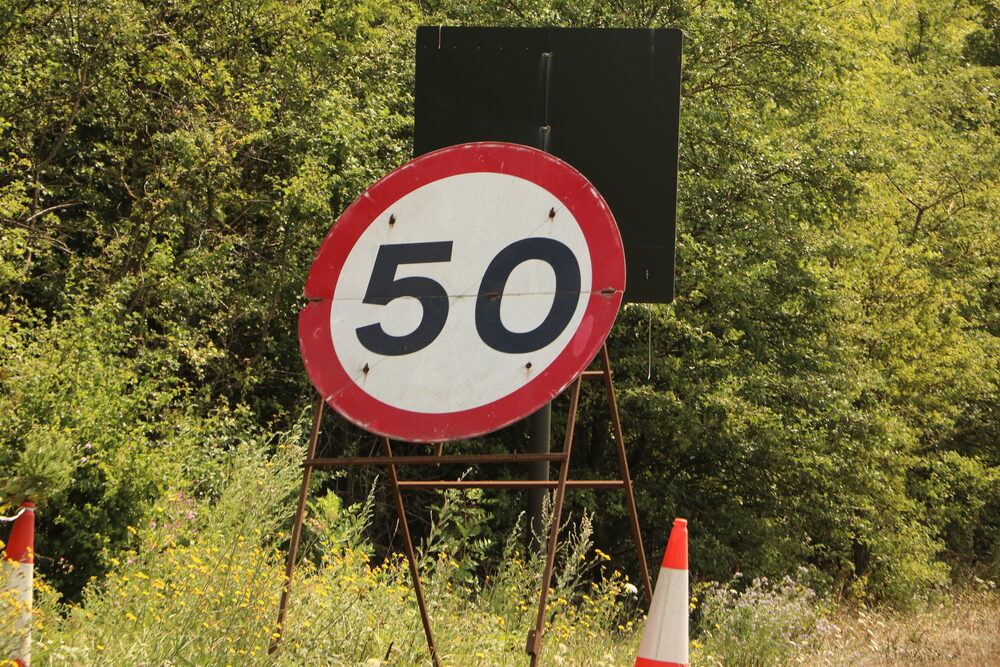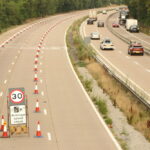
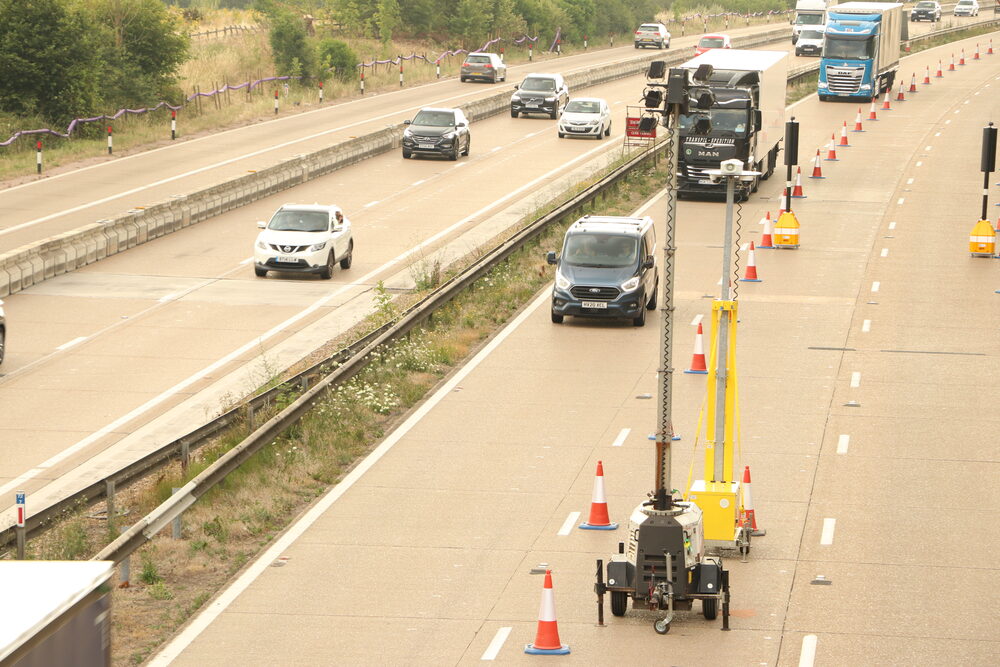

- Spain has deployed “anti-braking” radars: hidden mobile units positioned before fixed speed cameras, recording Drivers at full speed before they touch the brake.
- A second trick, “cascading”, puts another hidden radar up to a kilometre after the camera — for Drivers who speed up again too soon.
- And in 2023, road safety campaigners began publicly calling for the same technology on British roads.
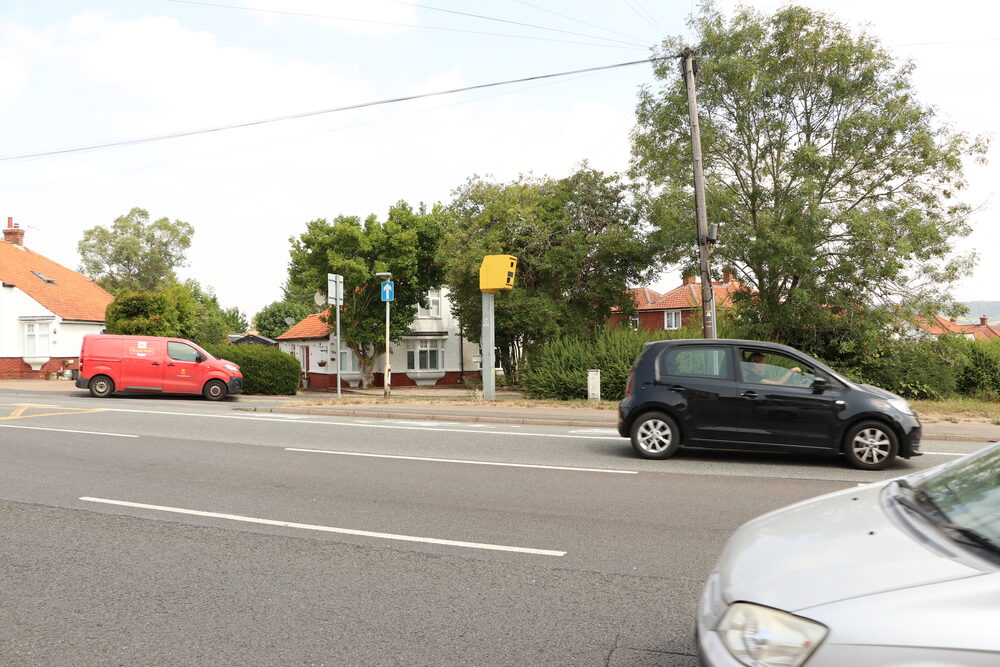
Every Driver in Britain knows the move. You spot the yellow camera ahead, you ease on the brake, you pass it at a saintly speed — and a few hundred yards later, you’re back up to cruising pace.
In Spain, that exact routine now ends with a fine in the post. And the camera that caught you is the one you never saw.
The Spanish authorities call the tactic anti-braking enforcement, and it works by turning the visible camera into bait.
How the Trap Is Built
The mechanics are elegantly simple. A signposted, fixed speed camera sits on the road, exactly where Drivers expect it. Some distance before it, a mobile radar unit is set up where nobody is looking for one.
A Driver approaching too fast sees the fixed camera, brakes hard, and passes it within the limit — congratulating himself on a fine avoided. What he doesn’t know is that the hidden unit already clocked him at full speed, before his foot ever reached the pedal.
The system was first trialled by the regional police in Navarra, in northern Spain, in 2020, and after what the authorities judged a successful pilot it has since been used far more widely across the country.
Its partner tactic is called cascading, and it covers the other end of the move: a second mobile radar placed after the fixed camera — sometimes more than a kilometre on — to catch Drivers who floor it again the moment they believe the danger has passed.
Note the fine print, because it matters. Slowing down for a camera is not an offence, in Spain or anywhere else. What these systems do is measure your speed at a point you were never told about. The offence is real; it’s the expectation of where enforcement happens that’s been weaponised.
Could It Happen Here?
Let’s be straight about the facts. As things stand, no British force or government body has announced plans to copy the Spanish system.
But the campaign has started. In 2023, the road safety technology firm Road Angel publicly called for anti-braking and cascade enforcement to be brought to the UK, arguing it would catch far more of the Drivers who currently slow-then-go their way past every camera.
And here’s the uncomfortable part: nothing in British law would need to change. As we’ve covered before, there is no legal requirement for mobile speed enforcement in the UK to be visible, signposted, or anywhere a Driver might expect it. A van before the camera and another after it would be entirely lawful tomorrow.
Average speed cameras already close part of the same gap, measuring you over a distance rather than at a point. The direction of travel in enforcement technology only ever runs one way: towards fewer places where your speed isn’t being measured.
Don’t miss a story: join the free DriveProtect newsletter — straight-talking updates for British Motorists.
The Game Is Changing — Quietly
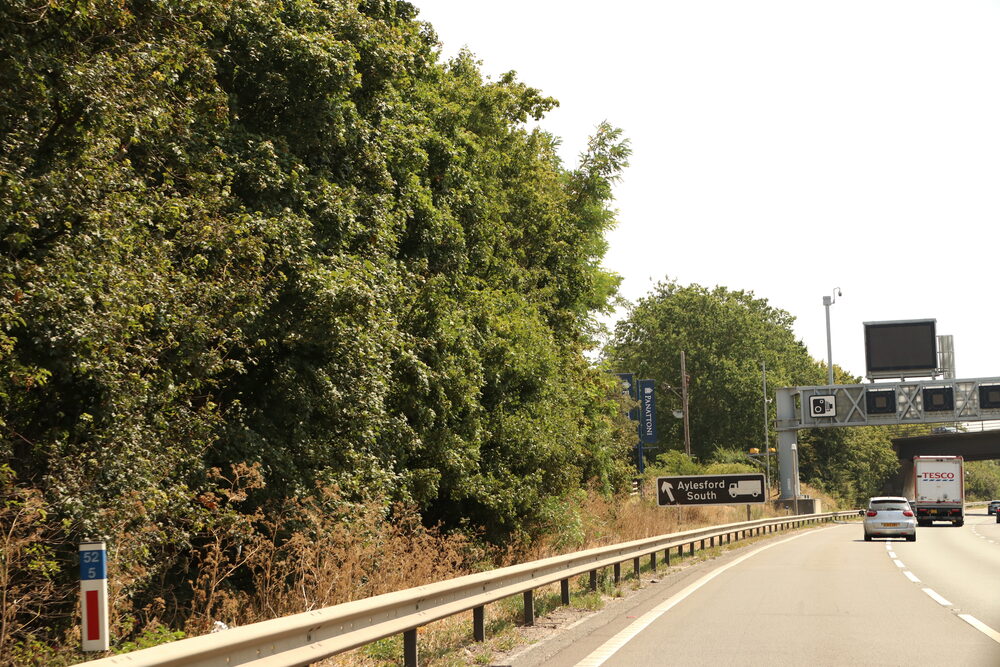
We’ve seen where this logic leads on British roads already. On smart motorways, we’ve experienced variable limits displayed on the very gantry that houses the enforcing camera, with no advance warning of the change — leaving a Driver to shed 20mph in the space it takes to read the sign.
The old, unspoken deal — cameras are visible, painted yellow, and mark the places you’re being measured — is being renegotiated one tactic at a time, and nobody asked the Motorist to the table.
You can’t out-drive that trend. The only realistic defences are the boring one and the legal one: assume you’re always being measured, and if a NIP arrives anyway, make sure the prosecution’s machinery is held to the same exacting standard it holds you to. The device must be type approved and correctly operated. The NIP must be valid and on time. The limit must be lawfully signed at the point you were measured — wherever that turns out to have been.
That checking is precisely what DriveProtect™ Members get. The moment a NIP arrives, Members have direct access to a specialist Speeding Solicitor who reviews the case and advises them exactly what to respond, for a fraction of the normal cost of legal help.
The war on the British Motorist, straight to your inbox
Join the free newsletter — straight-talking updates on speed cameras, enforcement, and your rights as a Driver.
Join the NewsletterGot a NIP or points on your licence right now? See how DriveProtect Membership works — a specialist Speeding Solicitor in your corner from £25/month.