
- No speed camera evidence can be used against you in Court unless the device has been type approved by the Home Secretary — it’s the law, under section 20 of the Road Traffic Offenders Act 1988.
- That’s why new cameras sometimes sit on British roads watching traffic for months without issuing a single ticket.
- And it’s also why, even after approval, some prosecutions quietly fall apart.
Back in 2009, our founder had an eventful weekend on the roads.
On the Saturday, he was filming near the end of London City Airport’s runway when five police officers arrived in a van to move him along — politely, but firmly, with a pointed reminder that security around the recent G20 summit had made everyone rather jumpy.
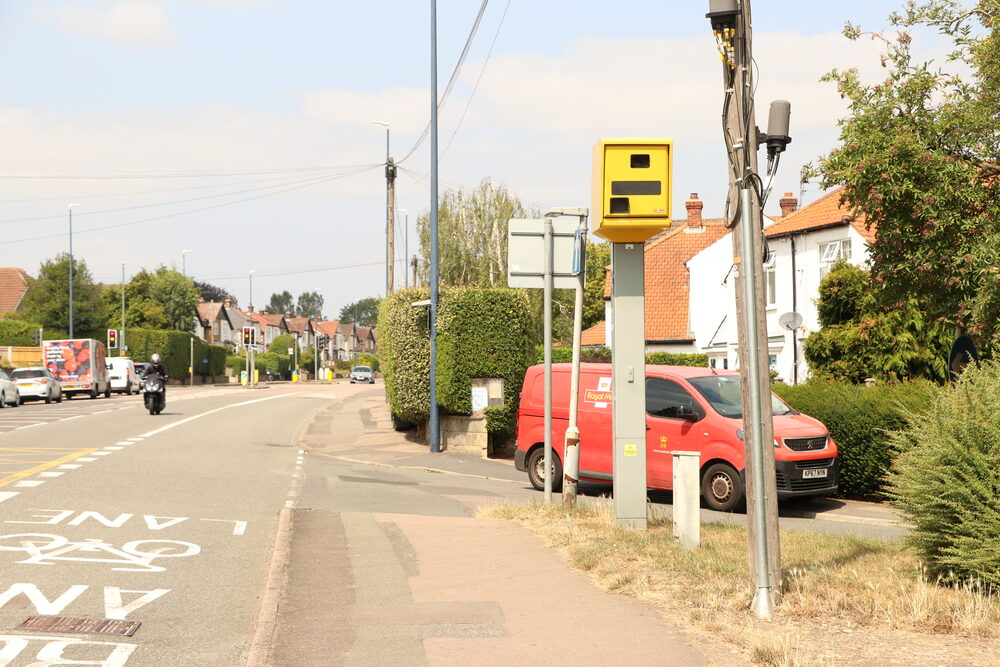
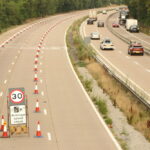
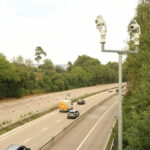
But it was Sunday’s discovery that mattered more to Motorists. Driving down to the south coast, he passed a brand-new speed camera on test on the A24 — one our camera-spotting network had flagged months earlier.
And here’s the strange part: there was no urgency to warn anyone about it. Because that camera, pointed at thousands of passing Drivers, could not legally issue a single ticket.
The Law Every Camera Has to Pass First
The reason sits in section 20 of the Road Traffic Offenders Act 1988.
Under that law, the reading from a speed enforcement device is only admissible as evidence in Court if the equipment is of a type approved by the Secretary of State — and if any conditions attached to that approval are satisfied.
No type approval, no admissible evidence. No admissible evidence, no prosecution.
Approval is not a rubber stamp, either. Devices go through rigorous Home Office scientific testing to prove they are accurate, precise, consistent and reliable, and manufacturers sign strict agreements that every unit supplied matches the equipment that was tested.
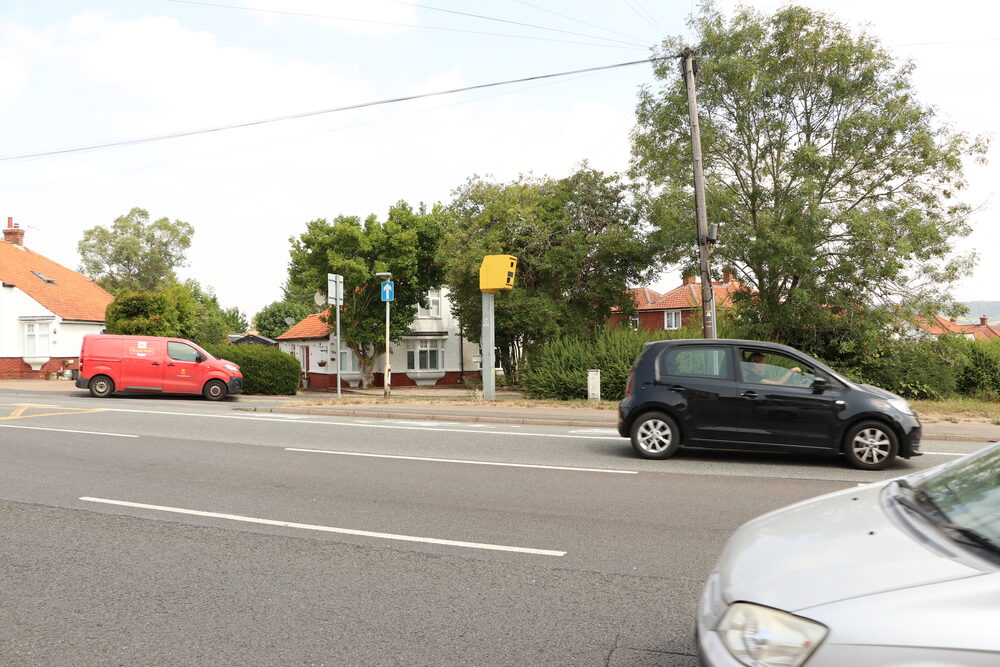
Which explains the odd sight of a camera watching a busy A-road with no power to touch anyone on it.
Why “On Test” Means “No Tickets”
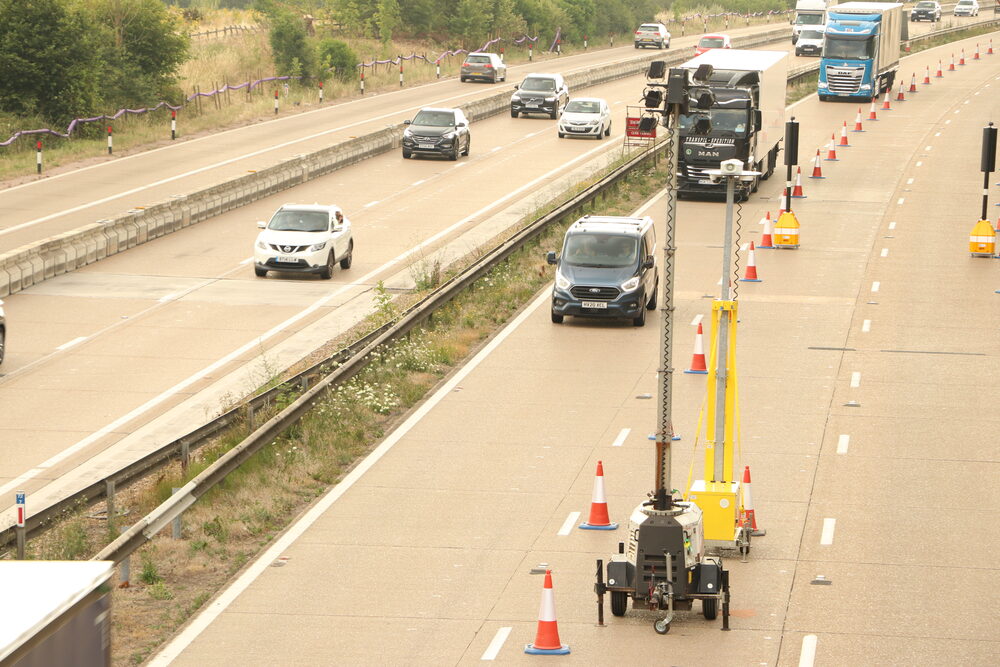
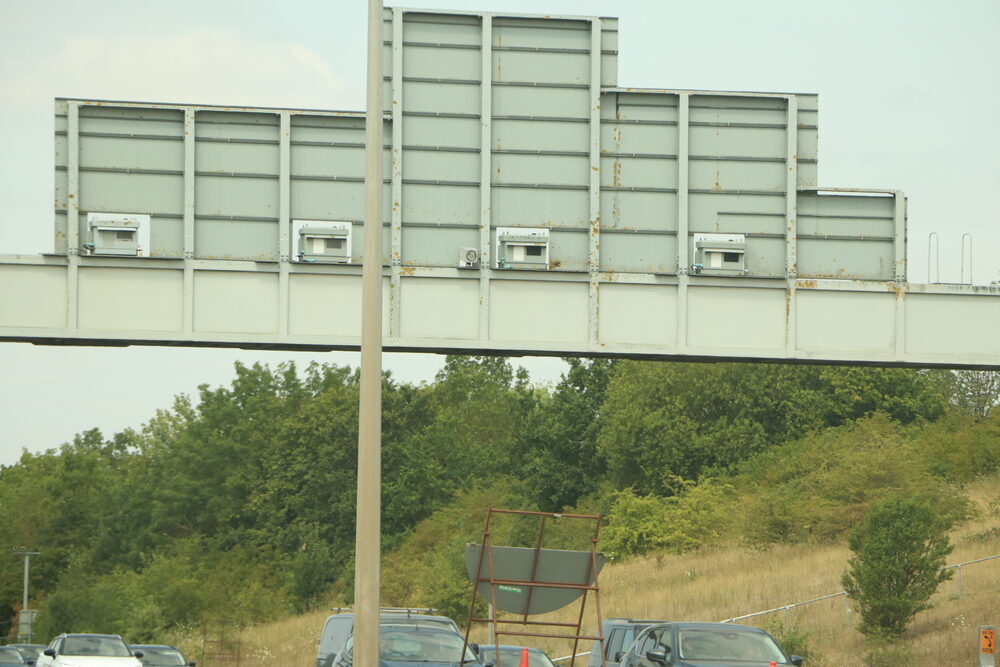
Before a new camera type wins approval, it has to prove itself somewhere — and that somewhere is real roads, with real traffic.
So manufacturers and enforcement partnerships put unapproved units out on trial. They record, they measure, they gather performance data. What they cannot do is fine you, because nothing they capture is admissible against a Driver.
That A24 camera in 2009 was exactly that: a machine in its probation period, all eyes and no teeth.
The unsettling thought, of course, is what happens the day the paperwork comes through — when the same camera, on the same road, suddenly acquires teeth overnight and nobody sends you a memo.
READ MORE: The Famous Gatso Winter Loophole Won’t Save You — Here’s What Actually Gets Cases Thrown Out
Approval Isn’t the End of the Story
Here’s the part that matters long after a camera goes live: section 20 has two limbs, and Drivers only ever hear about the first.
Yes, the device must be type approved. But the evidence is only admissible if the conditions of that approval are also satisfied — and that covers how the device is calibrated, maintained and operated, every single time it’s used.
A camera used outside those conditions is, legally speaking, back to being all eyes and no teeth. Forces know it, which is why they keep calibration certificates for every device and insist nothing is used without a current one.
And Motorists have pressed on exactly this ground — formal challenges have been lodged over whether particular devices, such as the well-known LTI 20.20 laser gun, were operated within the procedures their approval was based on.
The camera being famous doesn’t make the reading untouchable. The question is always whether the rules were followed on the day.
Don’t miss a story: join the free DriveProtect newsletter — straight-talking updates for British Motorists.
What This Means When Your NIP Arrives
If a Notice of Intended Prosecution lands on your doormat, the reading against you rests on a chain: an approved device, in calibration, operated to the letter of its approval conditions, on a lawfully signed road, with the paperwork served correctly and on time.
Every link in that chain is checkable. Almost nobody checks it alone — because knowing what to ask for, and what the answers mean, is specialist work.
DriveProtect™ Members don’t have to guess. The moment a NIP arrives, Members get direct access to a specialist Speeding Solicitor who reviews the case and advises them exactly what to respond, for a fraction of the normal cost of legal help.
The war on the British Motorist, straight to your inbox
Join the free newsletter — straight-talking updates on speed cameras, enforcement, and your rights as a Driver.
Join the NewsletterGot a NIP or points on your licence right now? See how DriveProtect Membership works — a specialist Speeding Solicitor in your corner from £25/month.