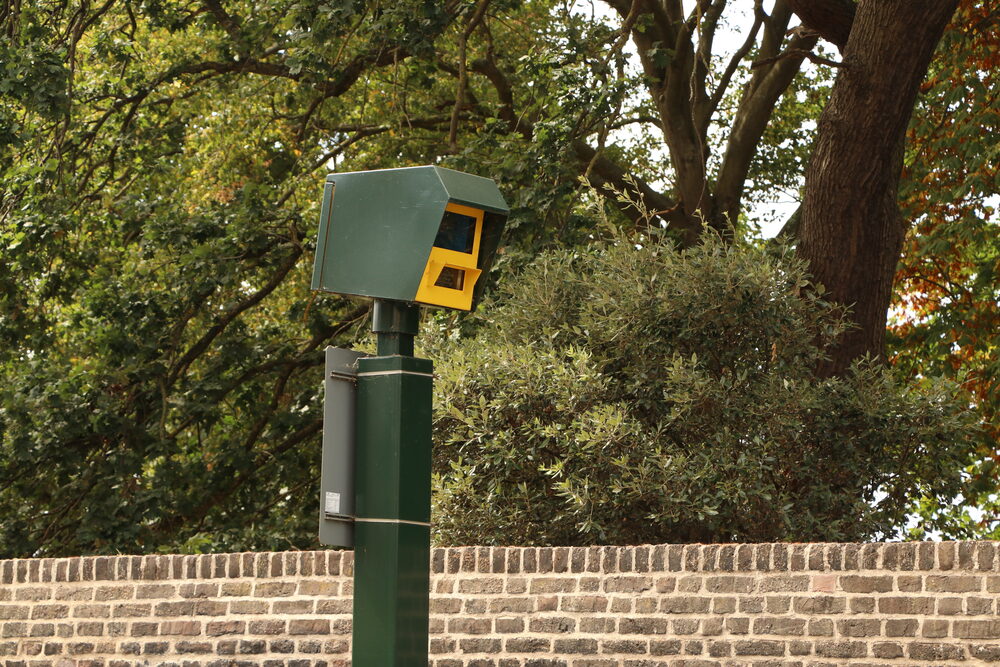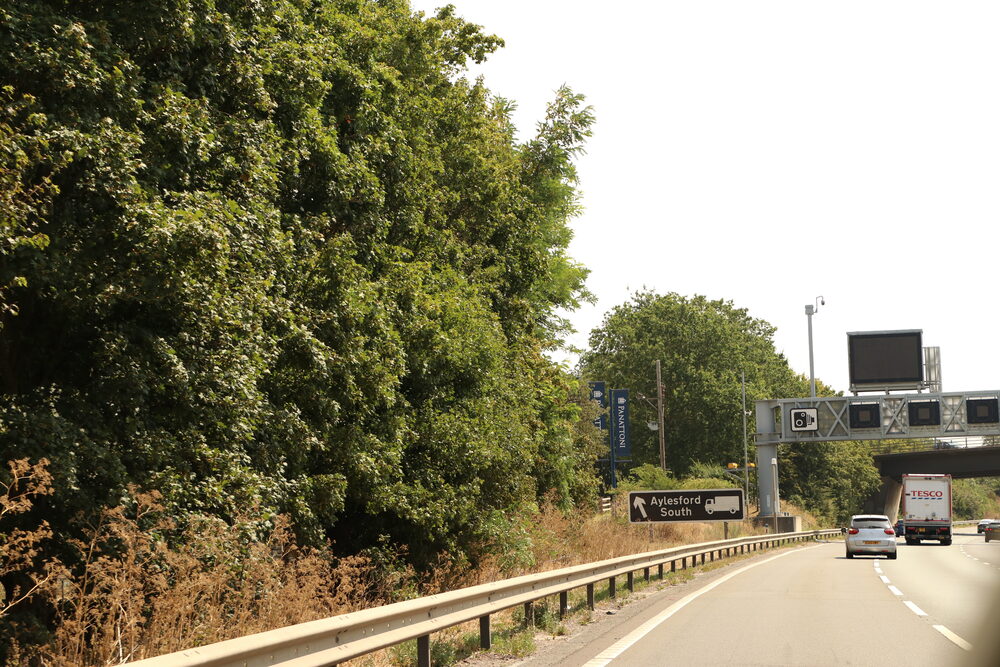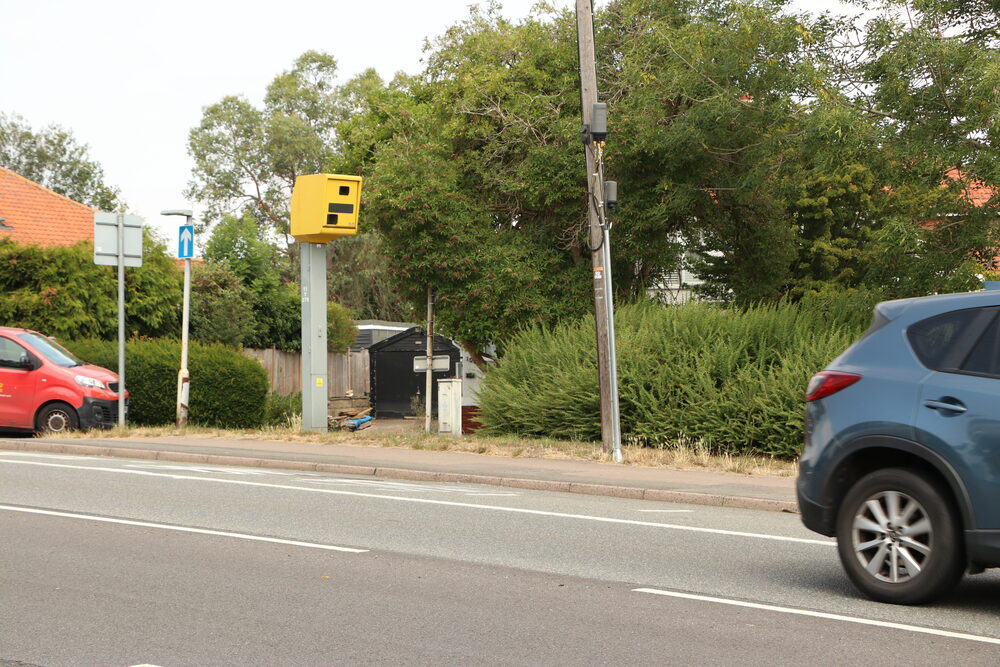
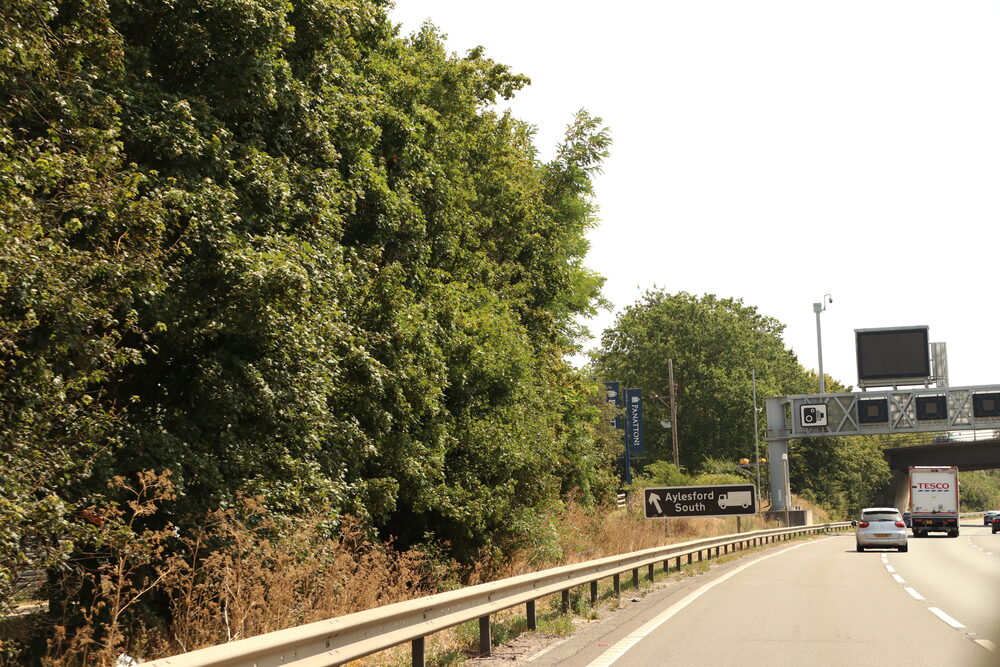

- A London delivery Driver was caught speeding 22 times in under three weeks on the same 30mph stretch of the A40 — four times in a single day.
- Another Driver racked up 98 points from one rural road in a single month, and left Court with a year’s ban and a £10,650 fine.
- The reason it keeps happening is built into the system itself — and by the time you find out, it’s usually already too late.
Peter McPherson had been delivering laundry to London’s hotels and restaurants since he was 16 years old. In more than four decades behind the wheel, he’d never once set foot in a courtroom.
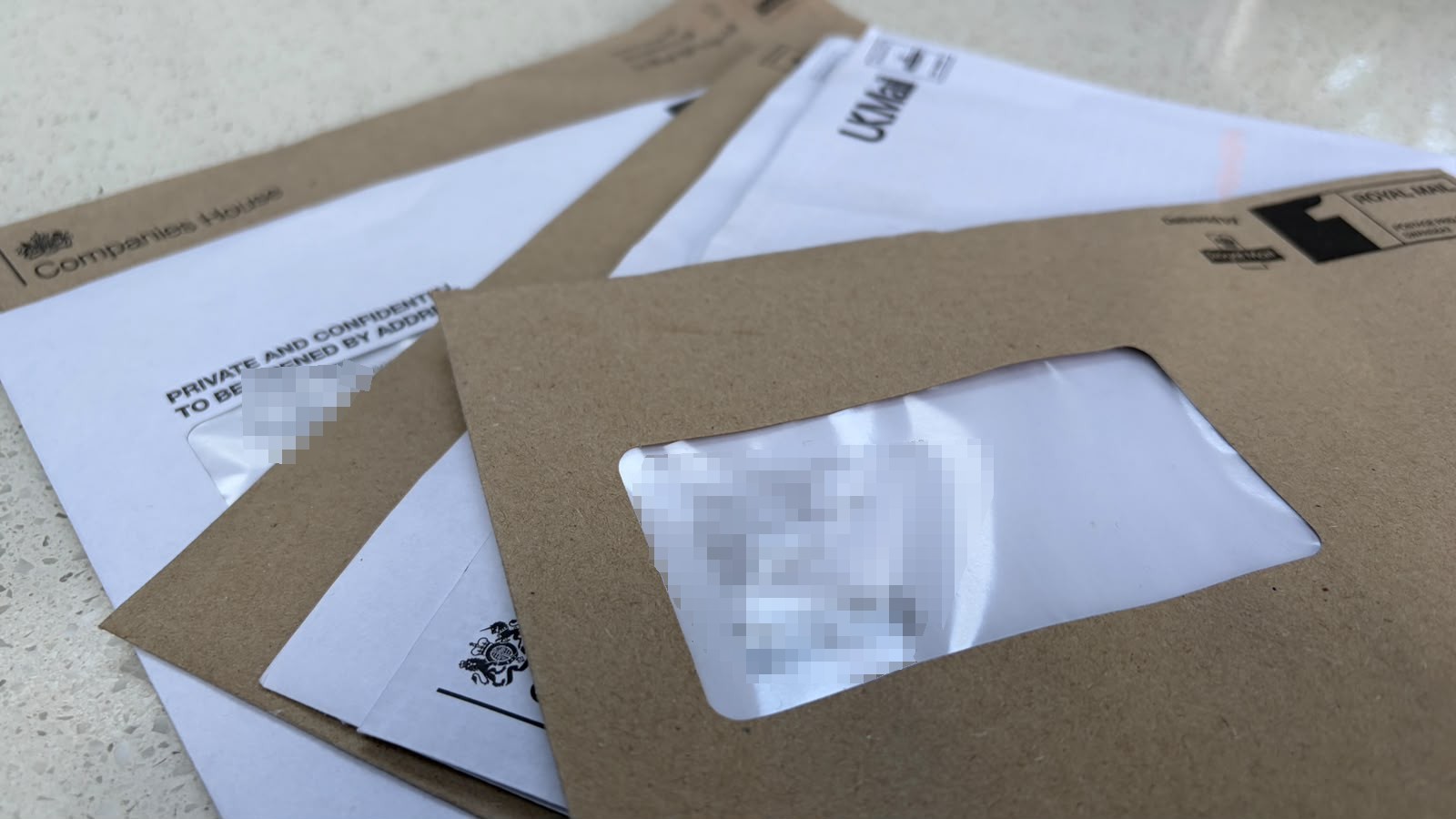
Then, back in 2022, a pile of envelopes arrived at his work. Not one speeding ticket — twenty-two of them.
Every offence was from the same place: a 30mph stretch of the A40 Westway flyover. Every offence was at between 35 and 41mph. And all of them were committed in under three weeks — four of them on a single day.
“I was so shocked when all these fines were sent to me at work,” he said. “There was a whole pile of them. If I lose my job I don’t know what I am going to do.”
How One Road Can Bury a Licence
The Westway is a wide, elevated dual carriageway — the kind of road generations of London Drivers knew as a 40mph route. In 2020 a temporary 30mph restriction was placed on it, and that temporary limit was later made permanent.
McPherson, who had driven that stretch for years, carried on at the speed he’d always driven it. The cameras recorded every pass.
And here’s the mechanism that turns one misjudgement into a catastrophe: the tickets don’t arrive one at a time, giving you a chance to correct course. A Notice of Intended Prosecution can take up to two weeks to reach the registered keeper — and when the vehicle is a work van, longer still, as the paperwork routes through the company first. By the time the first envelope lands, a daily Driver on the same road may already have committed a dozen more offences without the faintest idea.
You aren’t given one warning and a chance to slow down. You’re handed the whole stack at once.
The Arithmetic Is Brutal
Twelve points within three years and the Court must ban you for at least six months. That’s the totting-up rule, and it catches thousands of Drivers a year — DVLA figures reported in 2021 showed more than 8,600 Drivers in Britain sitting on 12 points or more.
Now run McPherson’s numbers. He already had seven points. His own solicitors told the Court that 22 speeding convictions put him at risk of between 71 and 81 points — six to seven times the ban threshold — from three weeks of driving to work.
He’s far from alone. Back in 2021, van driver Vasile Strajeru was convicted of 29 speeding offences committed in a single month, most of them recorded by one camera on one rural road. He amassed 98 points, was banned for 12 months, and was fined £10,650.
And in Southampton, 21-year-old Cristian Mustafa was caught 66 times in 10 months — a number his local force called unprecedented — and was banned for three years.
Different Drivers, different roads, same pattern: one road, one habit, and a licence destroyed wholesale rather than point by point.
Don’t miss a story: join the free DriveProtect newsletter — straight-talking updates for British Motorists.
The Only Argument Left Standing
Once the offences are admitted and the points stack past 12, there is usually one road back: persuading the Court that a ban would cause Exceptional Hardship.
It’s the argument McPherson’s lawyers signalled they would run — that a man who had driven for the same firm his entire adult life would lose his livelihood along with his licence.
But Exceptional Hardship is not a magic phrase. Courts are explicitly told that losing your job, on its own, is not enough — the hardship must go beyond what any banned Driver would suffer, and it must be properly evidenced: mortgage payments that can’t be met, dependants who can’t be cared for, alternatives that genuinely don’t exist. Presented badly, it fails, and the ban lands in full.
Which is why multi-ticket cases, more than almost any other, are decided by the quality of the argument made in that courtroom. The facts are already lost. The presentation is everything.
If the Pile of Envelopes Arrives
The multi-ticket trap can catch any Driver with a regular route and a changed limit — and the first you’ll know of it is a doormat full of NIPs.
What you do next decides whether you’re facing a manageable penalty or the loss of your licence, your job, or both. Responding to each NIP correctly, understanding how the Court will treat repeated offences from one road, and building an Exceptional Hardship case that actually meets the legal test — none of it is something to improvise alone.
DriveProtect™ Members don’t have to. From the moment the first NIP arrives, Members get direct access to a specialist Speeding Solicitor who reviews the case and advises them exactly what to respond, for a fraction of the normal cost of legal help.
The war on the British Motorist, straight to your inbox
Join the free newsletter — straight-talking updates on speed cameras, enforcement, and your rights as a Driver.
Join the NewsletterGot a NIP or points on your licence right now? See how DriveProtect Membership works — a specialist Speeding Solicitor in your corner from £25/month.