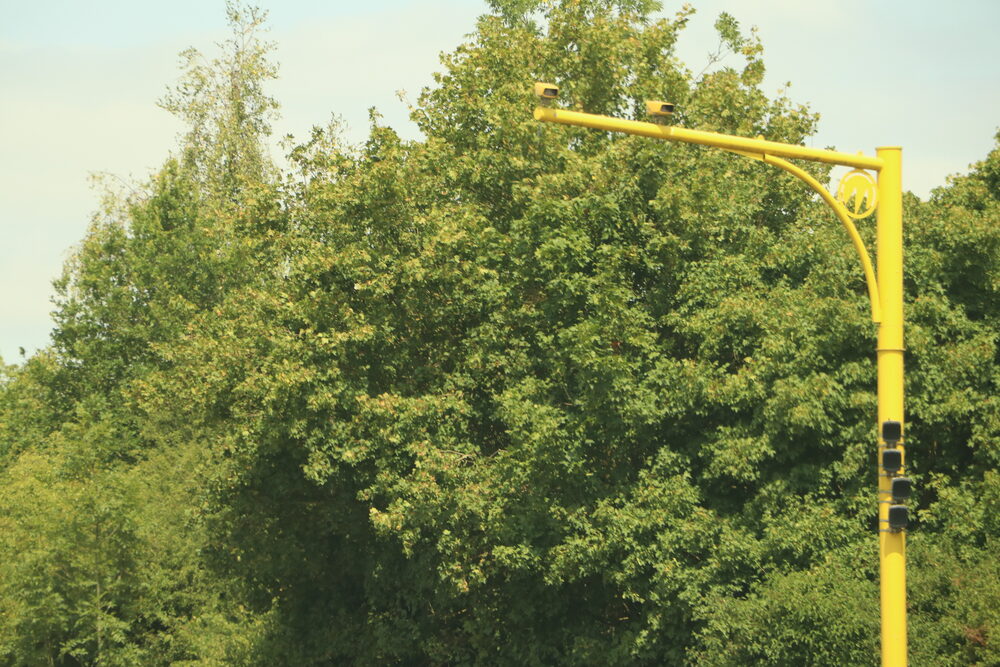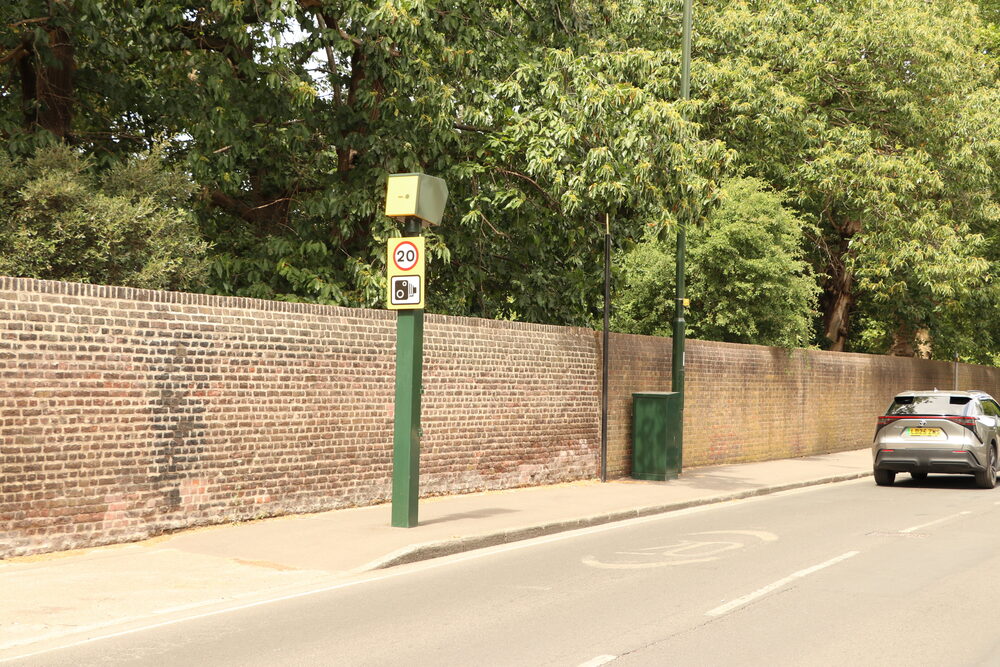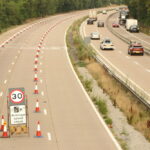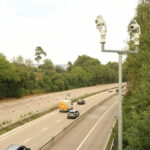
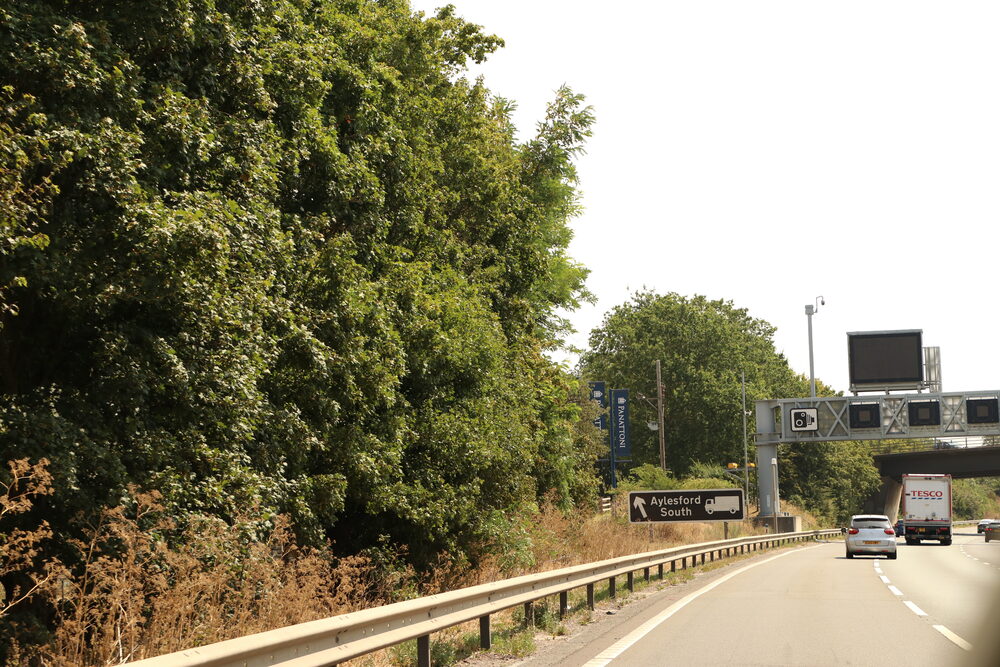

- For nearly four years, a fault in Britain’s smart motorway cameras meant Drivers obeying the limit shown on the gantry could be fined anyway.
- National Highways first admitted to 2,650 wrongful camera triggers. Within weeks, more than 36,000 cases had been cancelled and a government review ordered.
- And the way the scandal came to light tells you exactly why you should never assume the machine is right.
Picture the scene, because it happened to thousands of Drivers. You’re on a smart motorway. The gantry overhead changes from 40 to 50. You do what the law asks and adjust your speed to the displayed limit.
Weeks later, a fine lands on your doormat — for speeding.
Not because you broke the limit you could see, but because for roughly ten seconds after each sign changed, the camera beneath it was still enforcing the old one. The sign said 50. The camera said 40. You never stood a chance.
That fault, caused by a National Highways software update, dated back to January 2021 — and it ran for nearly four years.
The Drivers Who Refused to Accept It
Here’s the detail that should make every Motorist sit up: the fault wasn’t uncovered by an internal audit, a regulator, or the police. It came to light because individual Drivers challenged their fines in court — some armed with dashcam footage proving they were travelling below the speed shown on the gantry at the exact moment the camera fired.
Once the data could no longer be trusted, enforcement from the affected cameras was quietly paused while a fix was agreed.
In other words: for years, the system fined people who had done nothing wrong, and it took stubborn Motorists with video evidence to prove it. Everyone who simply paid up and moved on subsidised the error.
READ MORE: In 2010 They Wanted Private Companies Running Speed Cameras. Look Who Got the Money Instead
From 2,650 Errors to 36,000 Cancelled Cases
Watch how the official numbers moved.
In December 2025, National Highways admitted it had found 2,650 erroneous camera triggers since 2021. Its chief executive apologised, refunds were promised, and wrongly issued points were to be struck from licences.
Within weeks, the picture had swollen dramatically: more than 36,000 speeding cases cancelled, the Transport Secretary ordering an independent review, and National Highways agreeing to look back not to 2021 — but as far as 2019. The affected roads include smart motorways and stretches of major A-roads such as the A14 and A1.
A problem first presented as a rounding error turned out to be more than thirteen times larger within a month of being made public, with the true historical total still being counted. When officials tell you a camera fault is vanishingly rare, a healthy dose of scepticism is not paranoia. It’s pattern recognition.
Don’t miss a story: join the free DriveProtect newsletter — straight-talking updates for British Motorists.
We’ve Been Here Before
Because this is not the first time the machinery has been wrong — only the biggest.
Back in 2021, around 19,000 Motorists shared £2m in refunds after cameras on the A1 near Grantham enforced a 50mph roadworks limit under a defective temporary traffic order. The enforcement was simply invalid.
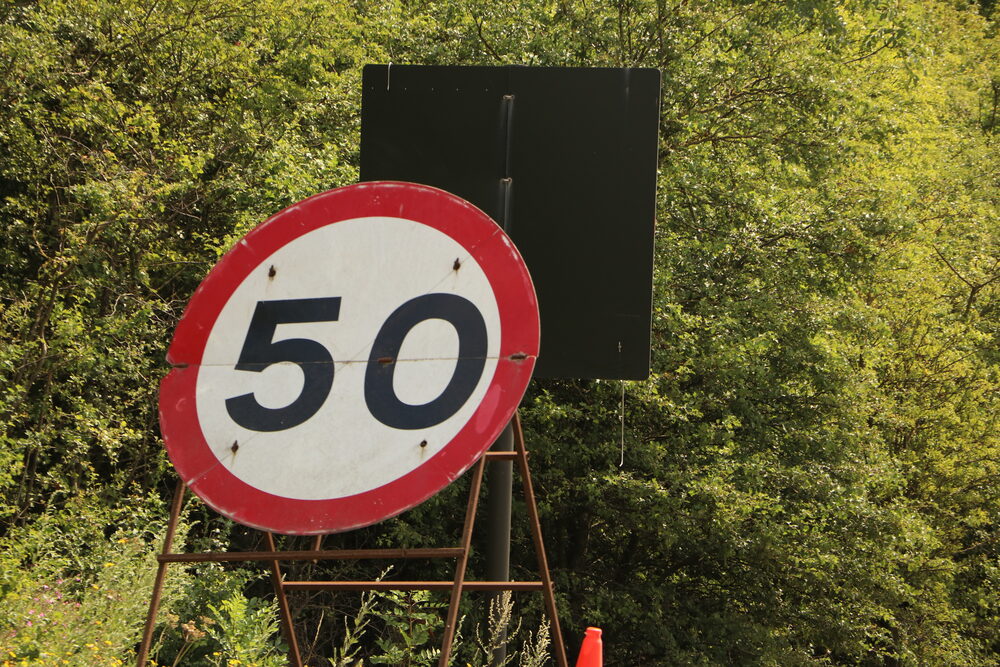
And in 2024, hundreds of Drivers on the A20 at Sidcup were ticketed amid chaotic signage that included a rogue 50mph sign the Met itself accepted shouldn’t have been there — yet the force refused to waive the penalties, leaving Drivers to fight case by case.
Faulty orders, wrong signs, lagging cameras. Different failures, one lesson: a speeding allegation is a claim, not a fact — and claims can be tested.
What This Means for You
If you were fined on a smart motorway or a variable-limit A-road from 2019 onwards, the current review means your case may be among those revisited — points removed, money refunded. Police forces are expected to contact affected Drivers directly, so make sure the DVLA has your current address.
And for every NIP that lands from now on, remember what this scandal proved: the prosecution’s evidence is only as good as the systems behind it, and those systems have now been shown to fail at industrial scale. Before you accept points, a fine, or worse, it’s worth having someone qualified examine whether the case against you actually holds.
DriveProtect™ Members get exactly that — direct access to a specialist Speeding Solicitor who reviews the case and advises them exactly what to respond, for a fraction of the normal cost of legal help.
The war on the British Motorist, straight to your inbox
Join the free newsletter — straight-talking updates on speed cameras, enforcement, and your rights as a Driver.
Join the NewsletterGot a NIP or points on your licence right now? See how DriveProtect Membership works — a specialist Speeding Solicitor in your corner from £25/month.