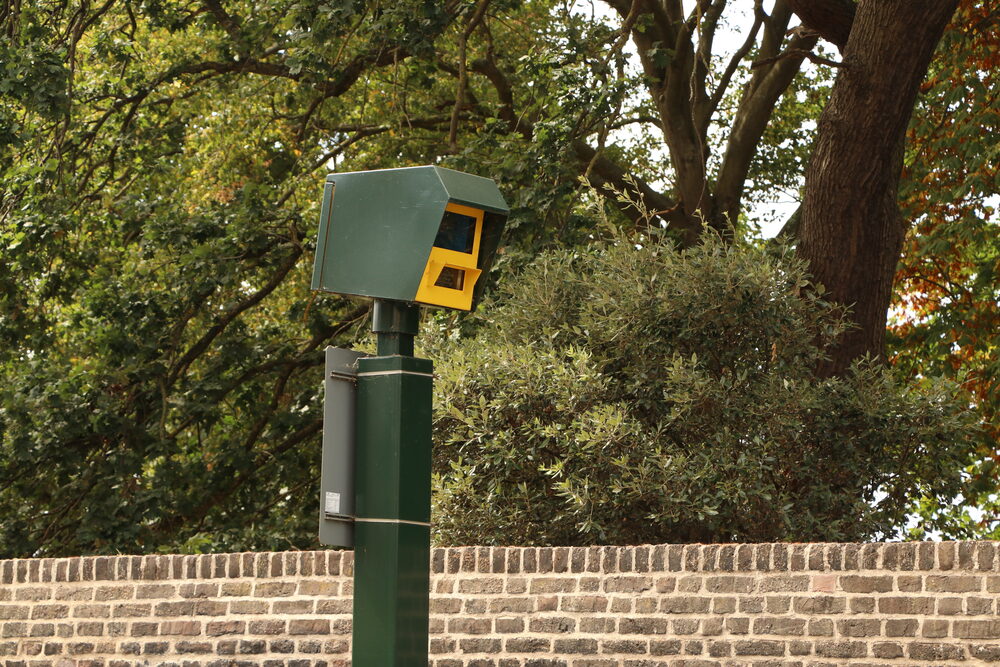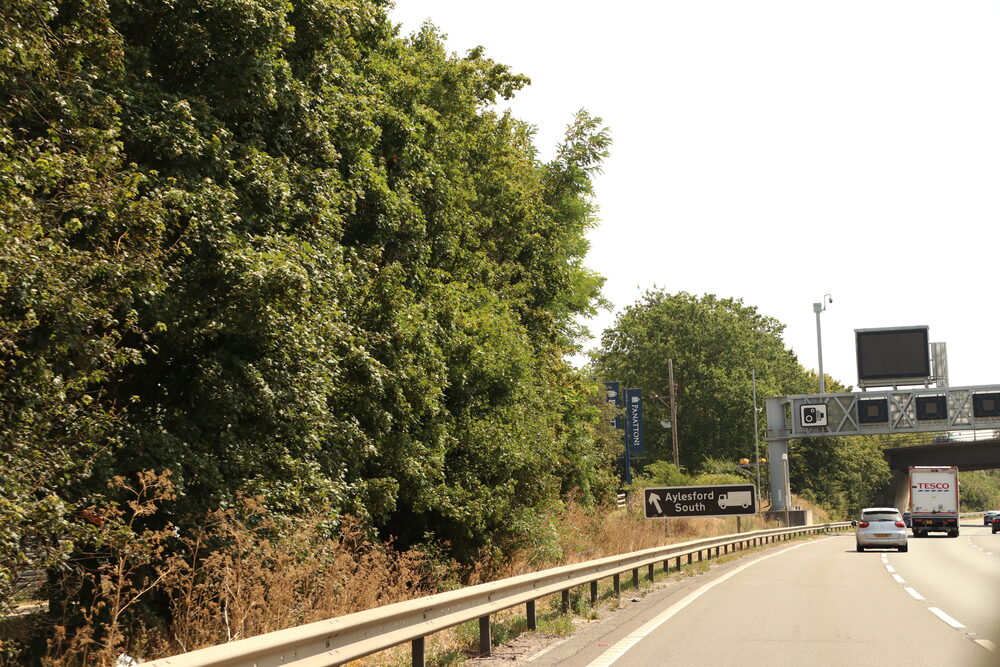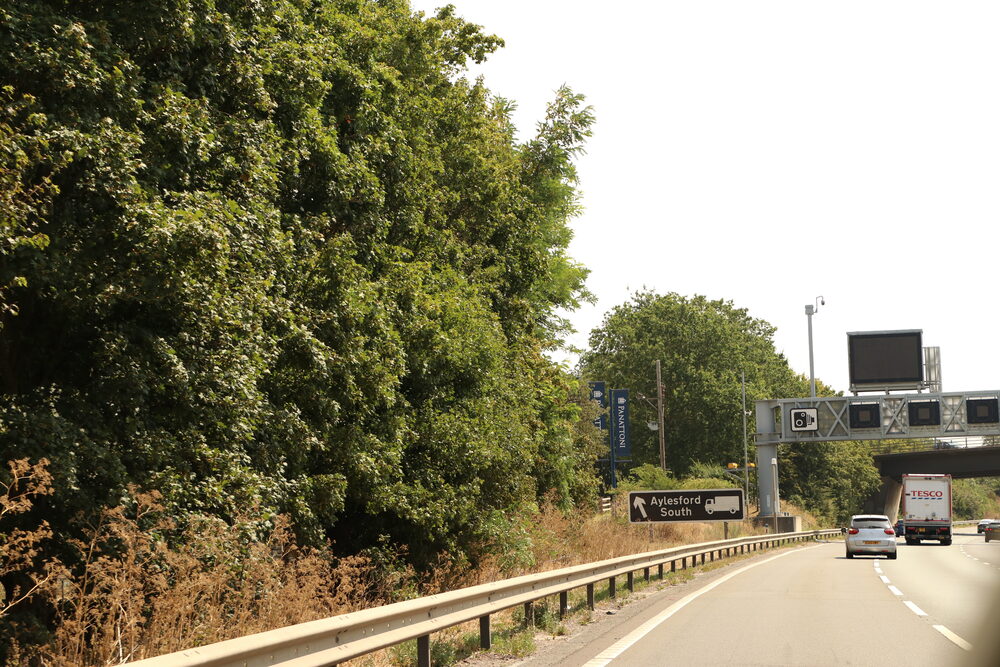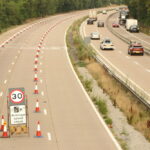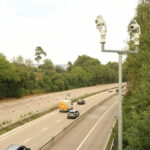
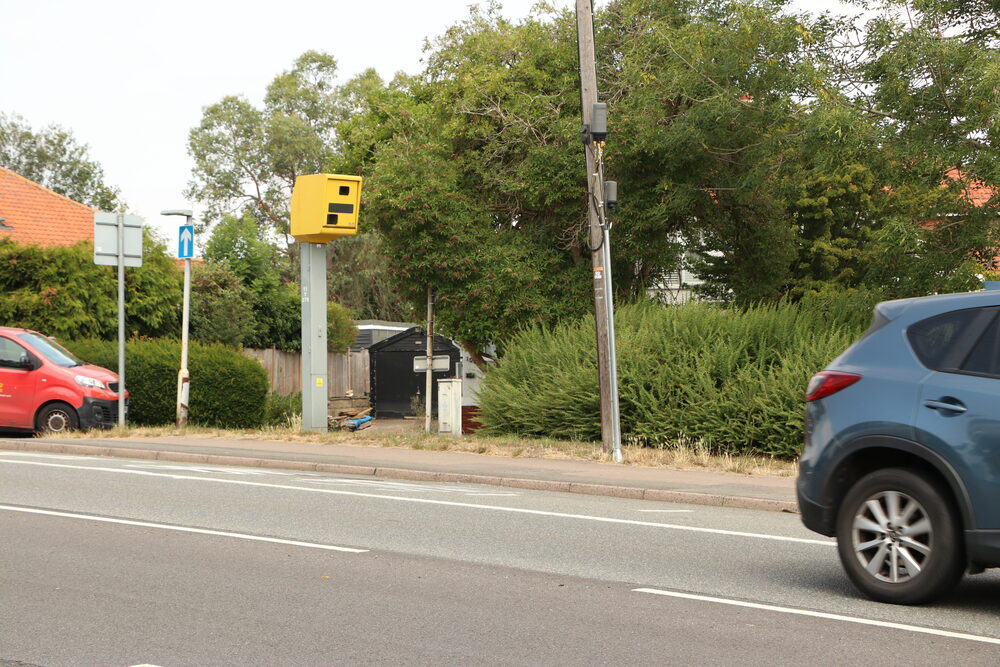

- Back in 2010, the head of road policing at ACPO floated handing the running of Britain’s speed cameras to private companies.
- It never happened as feared — speeding stayed a criminal offence, and every penny of every fine still goes to the Treasury.
- But follow the money through Britain’s speed awareness course industry, and you’ll find the private sector got in through the side door.
Back in 2010, the most senior traffic police officer in Britain floated an idea that made Motorists’ blood run cold.
Mick Giannasi, then Chief Constable of Gwent and the man in charge of roads policing at the Association of Chief Police Officers, raised the prospect of handing the running of speed cameras — the ticketing, the processing, the collection — to private companies.
The context was a funding crisis. The new government had just cut £38 million from the road safety budget and ended central funding for cameras altogether. Councils were switching their cameras off — Oxfordshire alone pulled the plug on 72 fixed sites.
Outsourcing was floated as the way to keep the cameras running. The press ran with it, and Drivers pictured a future where a company on a commission chased them down the motorway.
Fifteen years on, we can tell you exactly how that story ended — and where the money actually went. Because in 2024 alone, 1.84 million British Drivers each handed up to £100 to a course provider instead of paying a fine.
Why the Nightmare Version Was Never Going to Work
Even at the time, the frightening version of the plan had a legal hole in the middle of it.
Speeding is a criminal offence, prosecuted by the police and the Courts. A private company has no power to prosecute you for it, no power to stop your car, and no power to seize anything.
Compare that with the private parking industry, which in 2010 was still clamping cars on private land — a civil matter, enforced by physically disabling a stationary, unattended vehicle until the owner paid up. Even that lever was taken away when clamping on private land was banned in 2012.
A speeding Driver, by definition, is sitting in the vehicle and moving at speed. There is nothing for a private enforcer to clamp, and no authority for them to pull you over.
So the fines were never privatised. Fixed penalties are still issued by the police, and the revenue from speeding fines goes to the Treasury — not to whoever operates the camera.
Case closed? Not quite.
The Side Door Nobody Was Watching
While everyone argued about privatising the cameras, a different industry was quietly growing around them: the speed awareness course.
Caught at the lower end of speeding, many Drivers are now offered a course instead of three points and a fine. The courses are run under the National Driver Offender Retraining Scheme, and delivered by commercial providers — names like AA DriveTech and TTC Group.
The course fee, typically £80 to £100 and set by the provider, does not go to the Treasury like a fine would. It goes into the course system — covering the providers’ costs of delivery, with surpluses passed to a road safety charity’s grant fund.
And the volumes are extraordinary. In 2024, around 1.84 million Drivers attended a speed awareness course — up 139 per cent on 2011 — while roughly 205,000 were convicted of speeding in Court.
That’s about nine courses for every conviction. On those official attendance figures, at £80 to £100 a head, comfortably over £150 million a year now flows through the course system rather than into the public purse as fines.
The cameras were never sold off. They didn’t need to be.
Don’t miss a story: join the free DriveProtect newsletter — straight-talking updates for British Motorists.
What This Means When Your Envelope Arrives
Here’s the practical point for you as a Driver. If a NIP lands on your doormat, you may well be offered that course — but only within strict speed thresholds, only if you haven’t attended one in the previous three years, and only if you respond correctly and in time.
Take the wrong option, miss the 28-day window, or accept a course you were wrongly offered instead of challenging a flawed case, and the decision is very hard to unwind.
Whether to accept a course, accept a fixed penalty, or contest the case is a genuine legal decision — and the paperwork behind the offer deserves the same scrutiny as any other prosecution.
DriveProtect™ Members don’t make that decision alone. The moment a NIP arrives, Members get direct access to a specialist Speeding Solicitor who reviews the case and advises them exactly what to respond, for a fraction of the normal cost of legal help.
The war on the British Motorist, straight to your inbox
Join the free newsletter — straight-talking updates on speed cameras, enforcement, and your rights as a Driver.
Join the NewsletterGot a NIP or points on your licence right now? See how DriveProtect Membership works — a specialist Speeding Solicitor in your corner from £25/month.