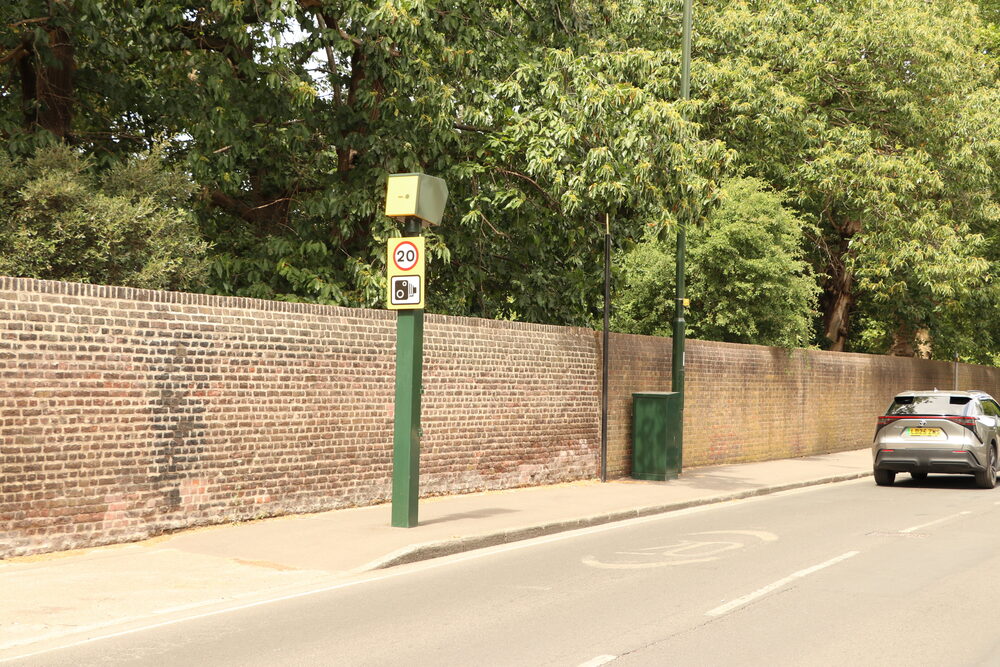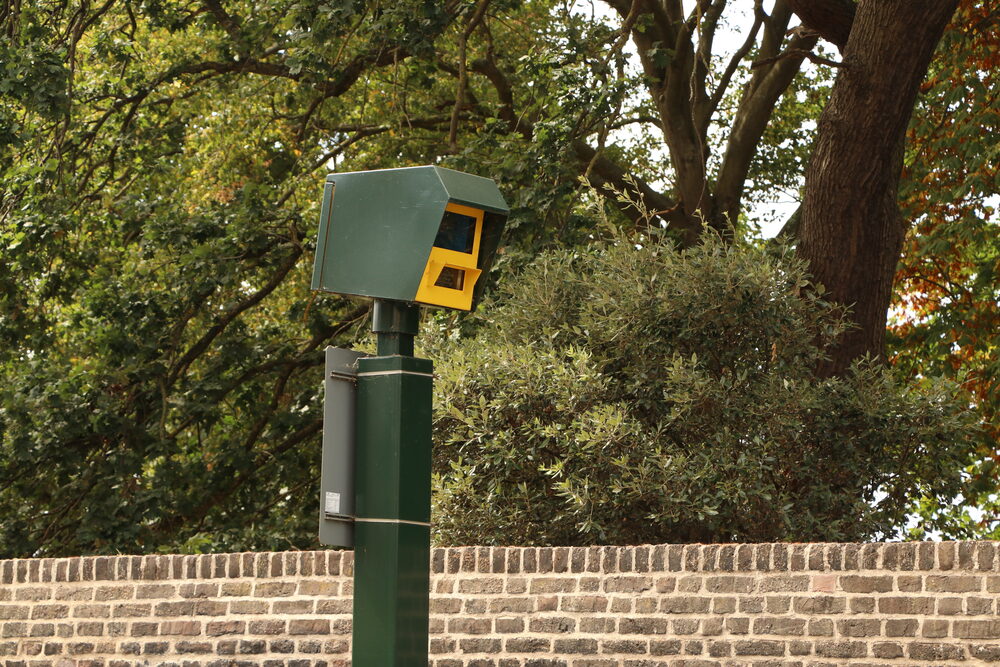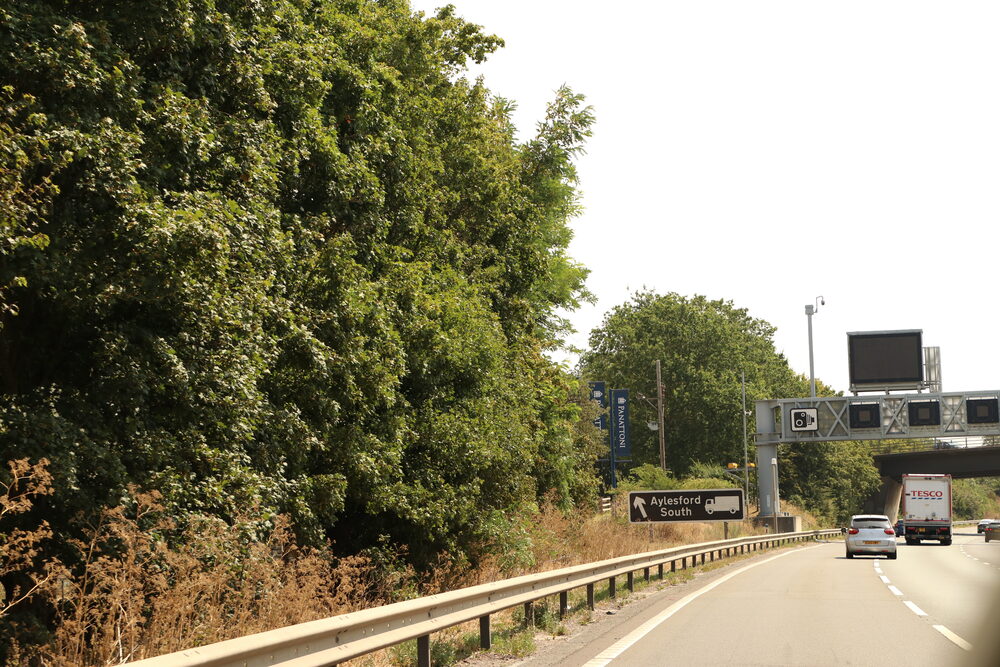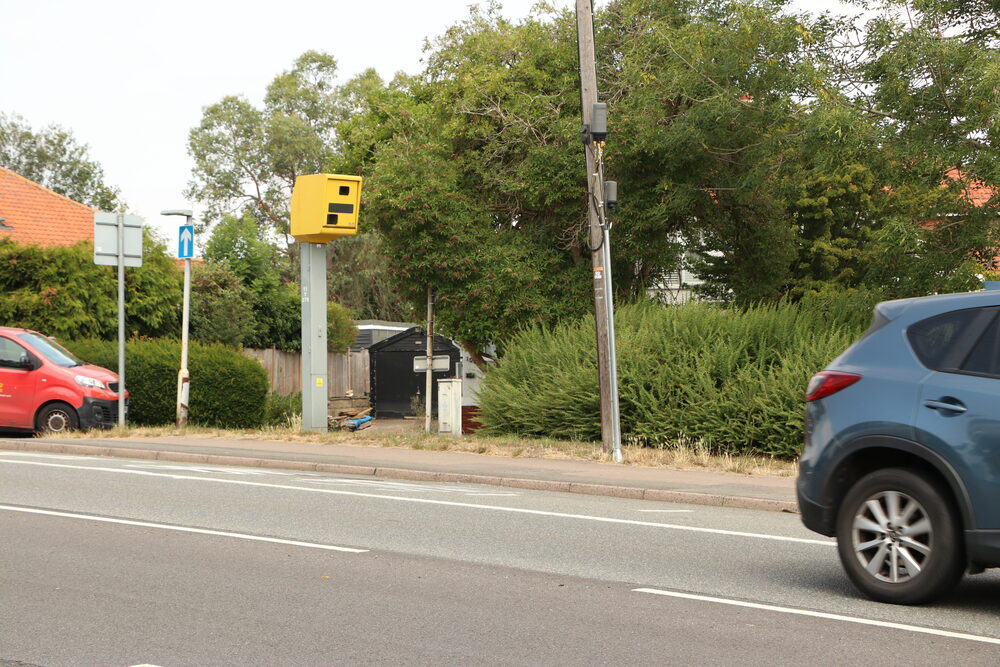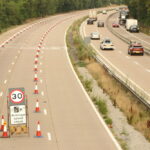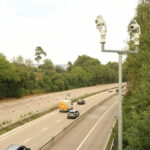

- In October 2023, the speed limit on a stretch of the A20 at Sidcup was cut overnight from 70mph to 40mph — and a Court later heard that as many as 62,000 offences may have been committed there in just six weeks.
- A rogue 50mph sign stood on the route for days, yet the Met refused to waive a single penalty.
- And when one Driver who collected 12 points in seven days finally got in front of the magistrates, what they decided should interest every Motorist in Britain.
In the space of seven days in late 2023, Jamie Foster went from a clean driving licence to twelve penalty points.
He wasn’t racing anyone, and he wasn’t dodging through traffic. He was driving the same stretch of the A20 at Sidcup that thousands of commuters use every day, at speeds that had been perfectly legal there for decades.
What had changed was the road. On 2 October 2023, Transport for London cut the limit on that stretch from 70mph to 40mph using an emergency order — and Drivers say they were given almost no warning it had happened.
Foster was far from alone. By the time his case reached Bromley Magistrates’ Court in April 2024, his own solicitor told the Court that as many as 62,000 offences may have been committed on that stretch in just six weeks.
Spread across six weeks, that works out at more than one alleged offence every single minute, day and night.
The Speed Limit That Changed Overnight
TfL’s justification was safety, and to be fair, the underlying problem was real. The eastbound A20 between Sidcup and the Swanley Interchange had a persistent flooding problem, with water sheeting across the carriageway. There had been a string of crashes, including vehicles skidding off the road and into a petrol station forecourt.
So while permanent drainage works were arranged, an Emergency Traffic Order dropped the limit on the affected sections from 70mph and 50mph down to a flat 40mph.
The trouble was how it was done. The change arrived overnight on a road where Drivers had cruised legally at 70mph for years, and enforcement began in earnest around the end of December 2023.
Seven Kent MPs were concerned enough to write to the Mayor of London, pointing out that most of the Drivers contacting them had been fined for travelling at under 50mph — speeds that would have been lawful on much of that road only weeks earlier.
Regular users of the road described finding out about the new limit the same way: not from a sign, but from a stack of brown envelopes.
Then a Rogue 50mph Sign Appeared
As if an overnight limit change wasn’t confusing enough, in January 2024 a 50mph sign appeared on the 40mph stretch.
Nobody in authority put it there. TfL says it was installed by an unauthorised third party, and the Met accepts the sign was displayed for around a week, between 17 and 25 January 2024, before it was removed.
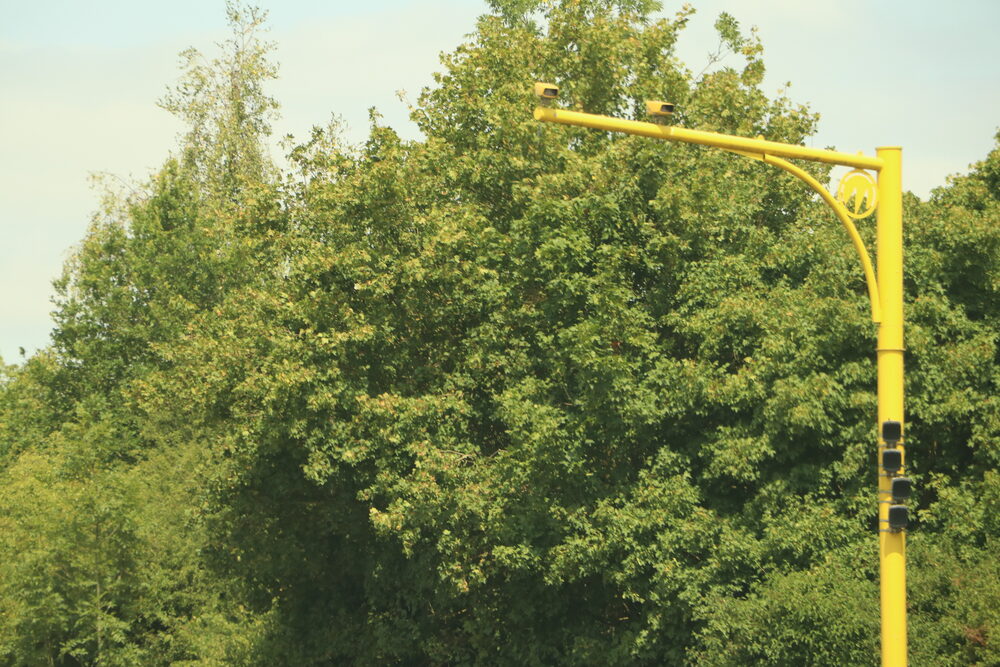
Think about what that means for a Driver on that road in January 2024. You pass a 40mph sign, then a 50mph sign, then another 40mph sign — on a dual carriageway your instincts tell you is a 70mph road. Whatever speed you settle on, an average speed camera is measuring it.
One delivery driver told the BBC he’d picked up three separate notices on the stretch and feared for his licence and his livelihood. A challenge group set up on social media attracted more than 2,700 people. A petition gathered thousands of signatures.
The Met’s Answer: No Refunds
Surely, with an admitted rogue sign on the road, the penalties would be reviewed?
They were not. The Met confirmed that Drivers fined on the stretch would not have their penalties waived, saying the rogue sign “would not have impacted the enforcement of the 40mph average speed limit”.
In other words: yes, there was a sign on the road telling you the limit was 50mph. Yes, it shouldn’t have been there. And no, that changes nothing about your fine.
That left tens of thousands of Drivers with a choice — accept the points and pay up, or fight. Most, as always, paid up.
Jamie Foster fought.
Twelve Points, Seven Days, One Hearing
Under the totting-up rules, twelve points normally means a minimum six-month ban. On paper, Foster’s case looked hopeless: four offences, one week, one road.
But at Bromley Magistrates’ Court, his defence made the argument thousands of Drivers had been making all along — that the signage on the A20 was inadequate, and that a Driver with a previously clean licence does not suddenly commit four offences in a week unless something has gone badly wrong with the road itself.
The magistrates listened. Instead of six months or more, Foster was banned for 28 days.
That outcome matters well beyond the A20. It shows that even when the offences themselves stand, a properly argued case about signage and circumstances can transform the penalty — turning a livelihood-ending ban into a four-week inconvenience. This is exactly what pleading Mitigating Circumstances is for, and it’s the part of the system most unrepresented Drivers never use.
Don’t miss a story: join the free DriveProtect newsletter — straight-talking updates for British Motorists.
The Questions That Won’t Go Away
The 40mph limit was finally removed in October 2024, roughly a year after it appeared. The arguments about it were only warming up.
In February 2025, the London Assembly passed a motion calling for an independent investigation. Assembly Member Thomas Turrell claimed the temporary limit had been implemented with signs just 450mm wide, where regulations specify 900mm for a road of that kind — a claim TfL strongly denies, insisting its signage was fully compliant throughout.
By March 2025, the Deputy Mayor for Transport had agreed to look into it. So the official position remains that everything on the A20 was legal and correct — while MPs, Assembly Members and tens of thousands of fined Drivers remain unconvinced.
What the A20 Means for You
Strip away the local detail and the A20 story carries two lessons for every Driver in England and Wales.
First, speed limits can genuinely change overnight, and the burden of noticing lands entirely on you. The road you’ve driven for twenty years is only as familiar as its last traffic order.
Second — and more importantly — a speeding case is never quite as automatic as it looks. Signage has to be adequate. Enforcement has to be fair. And even where the offence stands, the penalty is not fixed: Jamie Foster walked out of Court with 28 days instead of six months because someone made the argument properly.
That’s precisely where DriveProtect™ comes in. Members get direct access to a specialist Speeding Solicitor from the moment a NIP arrives — someone who reviews the case, spots the A20-style problems most Drivers would never think to look for, and advises them exactly what to respond, for a fraction of the normal cost of legal help.
The war on the British Motorist, straight to your inbox
Join the free newsletter — straight-talking updates on speed cameras, enforcement, and your rights as a Driver.
Join the NewsletterGot a NIP or points on your licence right now? See how DriveProtect Membership works — a specialist Speeding Solicitor in your corner from £25/month.