
- The law gives the prosecution just 14 days from the offence to serve a Notice of Intended Prosecution on the registered keeper.
- In one High Court case, a NIP posted in time but delivered on day 16 wiped out a speeding conviction entirely.
- And the single best piece of evidence in cases like these is the thing most people throw straight in the bin.
Back in 2008, a Motorist named Peter Gidden was caught by a camera exceeding 70mph on the M180.
The police did what they always do: posted him a Notice of Intended Prosecution, first class, well within the legal time limit. He was convicted, fined, and given points.
But there was a problem. A postal strike meant the notice didn’t actually land on his doormat until 16 days after the offence — and the law says 14.
Gidden fought it all the way to the High Court. And in 2009, the Court set his conviction aside: a NIP that arrives after the 14-day deadline has not been properly served, no matter when it was posted. The prosecution collapsed.
The 14-Day Rule — What the Law Actually Says
Under section 1 of the Road Traffic Offenders Act 1988, for offences like speeding the prosecution must — unless you were warned at the time — serve a NIP within 14 days of the alleged offence.
The requirement is met by serving the registered keeper of the vehicle in time. But if it isn’t met, the Act is blunt about the consequence: failure to comply is a bar to prosecution. The case cannot lawfully proceed.
This is not a loophole or a technicality dreamed up by clever lawyers. It’s a deliberate protection written into the law — because you can’t be expected to remember a journey, a road, or your speed weeks after the event.
The question, of course, is how you ever prove the notice arrived late. And that’s where the humble envelope earns its place in legal history.
Why the Envelope Is Evidence
When a NIP is sent by ordinary first-class post, the law presumes it arrived in the normal course of the post — but that presumption can be challenged. That is precisely what Gidden did.
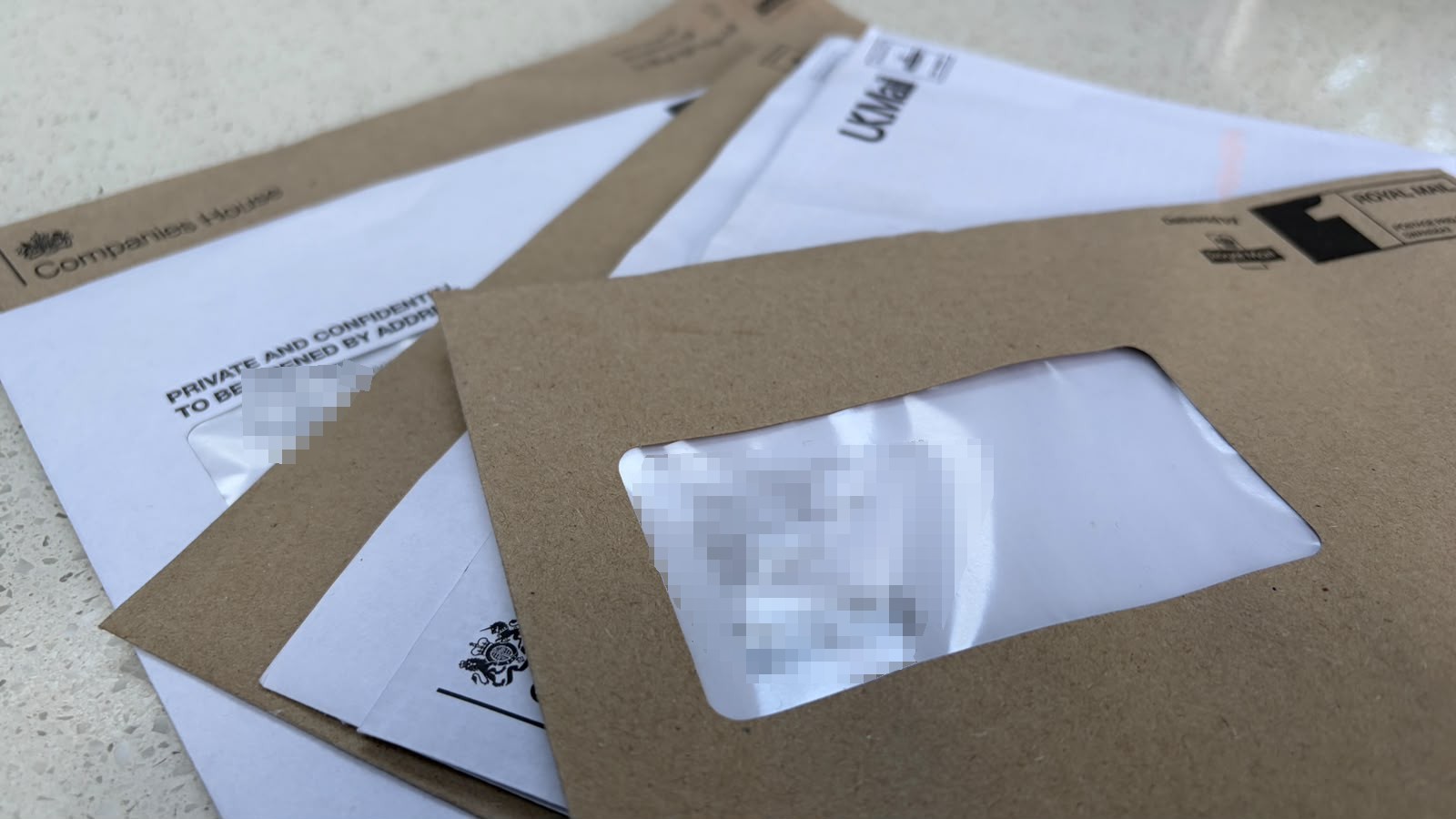
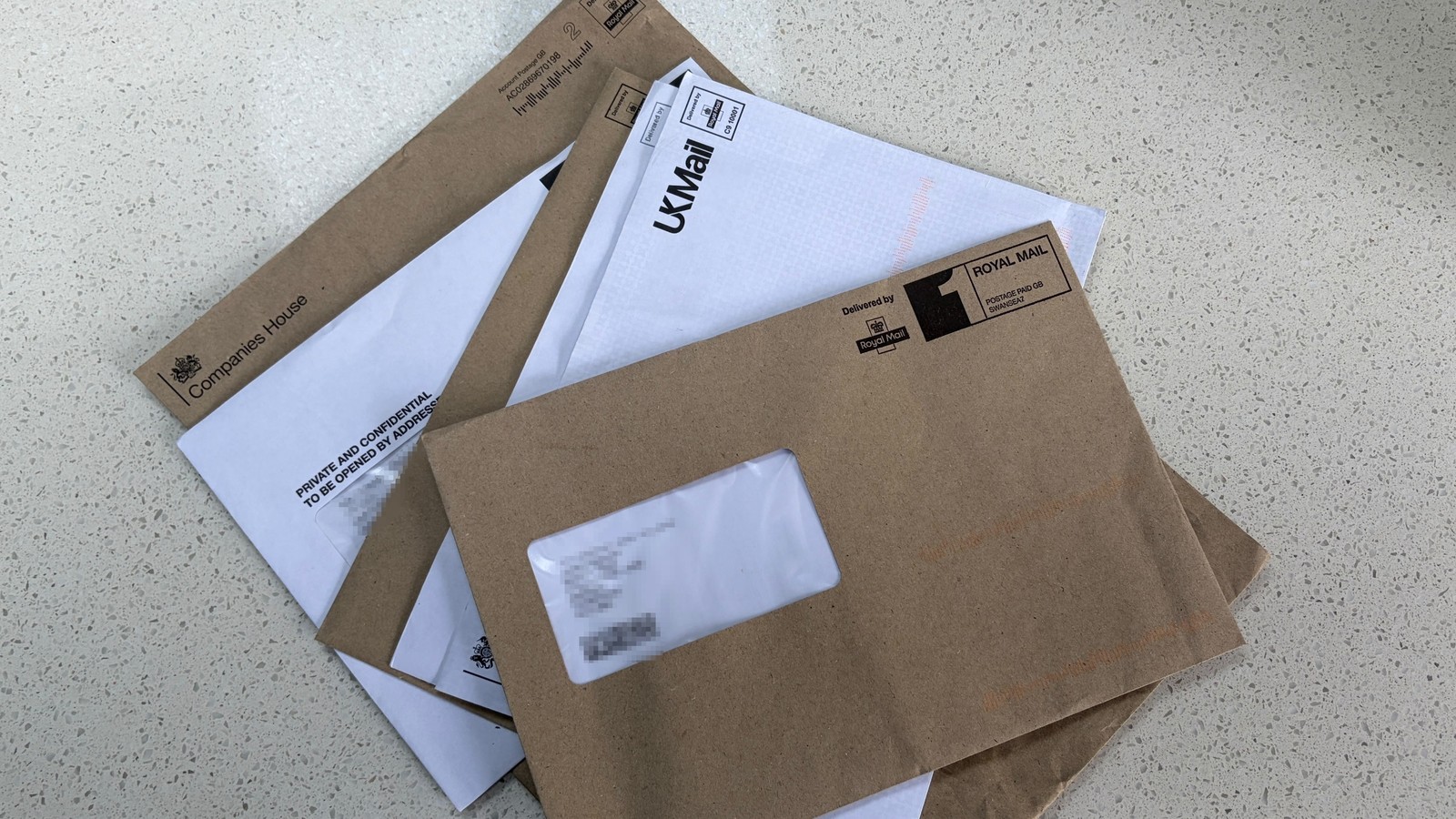
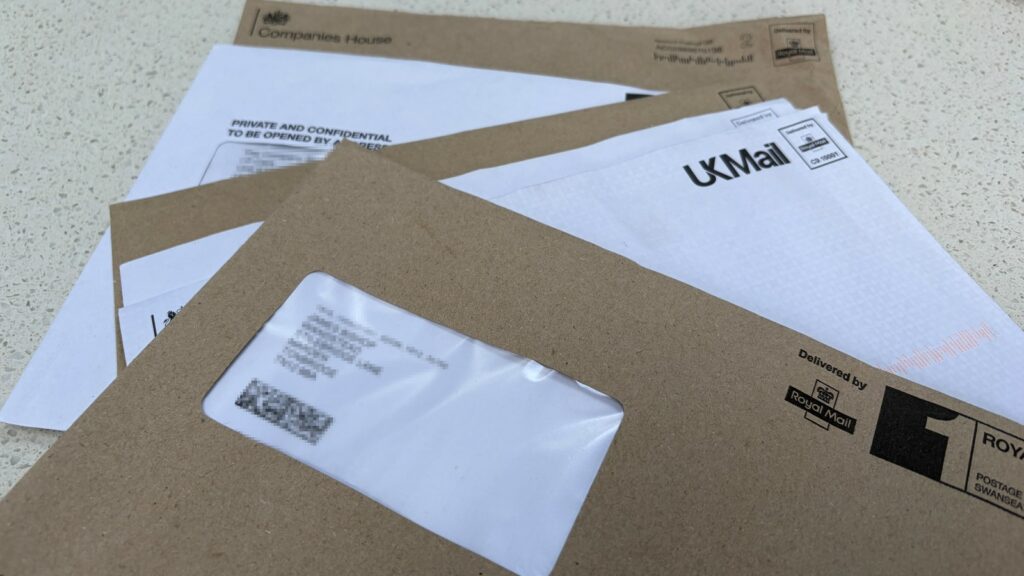
To challenge it, you need proof of when the notice was actually posted and when it actually arrived. The dated postmark or franking on the envelope is often the single strongest piece of evidence you’ll ever hold — an official, independent record that no statement from a camera partnership can argue with.
So if a NIP ever lands on your doormat later than day 14, treat that envelope like gold. Don’t bin it, don’t tear it, don’t lose it. Keep it with the notice, note the date it arrived, and if possible have someone witness the arrival.
One honest warning before you get excited, though — because this rule has small print that catches people out.
Don’t miss a story: join the free DriveProtect newsletter — straight-talking updates for British Motorists.
The Small Print That Trips Drivers Up
First: if the notice was sent by registered post or recorded delivery, the law deems it served — even if it never reached you at all. The envelope argument belongs to ordinary first-class post.
Second: the 14-day clock applies to the first notice, served on the registered keeper. If the keeper was served in time and you were nominated as the Driver afterwards, paperwork reaching you later than day 14 doesn’t by itself break the rule.
Third: no NIP is needed at all where you were warned at the roadside, or where there was an accident at the time.
Which is exactly why a late-looking NIP should never be ignored — and never be fought blind. Whether the 14-day rule genuinely bites in your case is a question of detail, and getting it wrong in a letter to the prosecution can do real damage.
Get It Checked Before You Respond
If a NIP has arrived late — or you suspect it has — the smart move is to get a specialist eye on it before you send anything back. The envelope gives you the evidence; a specialist tells you whether it wins.
That’s what DriveProtect™ Members do: the moment a NIP arrives, they get direct access to a specialist Speeding Solicitor who reviews the case — dates, service, paperwork and all — and advises them exactly what to respond, for a fraction of the normal cost of legal help.
The war on the British Motorist, straight to your inbox
Join the free newsletter — straight-talking updates on speed cameras, enforcement, and your rights as a Driver.
Got a NIP or points on your licence right now? See how DriveProtect Membership works — a specialist Speeding Solicitor in your corner from £25/month.